|
Join Our List
|
 |
Free Continuing Education
(see article to below)
Anatomy and Physiology Review for Nuclear Medicine Technology - 2009 Update
Cardiac Electrophysiology for Nuclear Medicine Technology - 2007 Update
Correct Coding for Diagnostic Nuclear Medicine Procedures, Part 1
Myocardial Perfusion Imaging - 2009 Update
Stress Testing in Cardiac Nuclear Medicine Technology - 2009 Update
|
|
|
|
|
Novel Tracer Promises Better Alzheimer's Picture
A
second-generation beta amyloid tracer for PET scans aimed at measuring brain pathology in Alzheimer's disease patients combines the best features of the two current types of agents.
The investigational agent, called AZD4694, produced brain images in a clinical trial that were virtually identical to those obtained with Pittsburgh Compound B (PiB) in a head-to-head study, said Christopher Rowe, MD, of Austin Health in Melbourne, Australia.
But, whereas PiB uses the extremely short-lived 11C isotope as the key element, AZD4694 is based on the more easily handled 18F. 
"We have a tracer with the strengths of [carbon-11] PiB and the convenience of [a fluorine-18] label," he told attendees at the Alzheimer's Association International Conference.
PiB has been the gold standard for imaging beta amyloid protein deposits within the brains of living patients. It is very selective for amyloid plaques. But the very short half-life of 11C -- just a few minutes -- makes it hard to use. The material has to be produced in a cyclotron close to the imaging clinic, restricting the availability to major academic medical centers.
The 18F isotope is longer lived and can be produced and shipped in a more conventional fashion. One such product, florbetapir (Amyvid) recently won FDA approval, and two others, flutemetamol and florbetaben, are in late-stage development.
However, these agents are less selective than PiB for beta amyloid protein -- they also bind to white matter in the brain, depressing the signal-to-noise ratio that determines image clarity.
The data presented by Rowe suggested that AZD4694 offers a signal-to-noise ratio similar to that of PiB.
In a trial sponsored by the agent's developer, AstraZeneca, the two agents were used sequentially to image the brains of 25 healthy volunteers, 10 patients diagnosed with mild cognitive impairment, and 10 with dementia.
That last group included three patients with frontotemporal dementia, who would not be expected to show significant beta amyloid burdens, and seven with probable Alzheimer's disease.
The study's primary outcome measure was the SUVR (standardized uptake value ratio) for each agent, compared at three times points following infusion.
Mean age of each participant group was about 74, except that the three frontotemporal dementia patients averaged about 68. Cognitive impairments in the patient groups were mild to moderate, with mean scores on the Mini-Mental State Examination of 24 to 27.
The time course of SUVR values differed somewhat initially between the two agents, but became very similar after the 20-minute point following infusion. Concordance in individual participants during the usual time periods for analyzing PET data was nearly perfect, Rowe indicated.
Cortex to white matter ratios were also close to identical with the two agents in each participant group. Correlations between the apparent plaque burden and results of episodic memory testing were also similar with AZD4694 versus PiB.
For the most part, Rowe added, the results indicated that one could evaluate the images accurately as soon as 20 to 30 minutes after AZD4694 infusion, which would make the scans somewhat more efficient to perform.
Sensitivity, specificity, and overall accuracy were the same with the 20- to 30-minute evaluations as with the more conventional 40- to 60-minute readings, using the PiB results as reference. These values all ranged from 94% to 98%.
But Rowe noted that, when the readers were asked to rate their personal confidence in the accuracy of their readings, they graded the 20- to 30-minute assessments much lower -- 63% compared with 93% for the later readings.
He also pointed to greater overlap between results in healthy controls versus Alzheimer's disease patients in the early readings.
-MedPage
| |
|
|
AmyvidTM
| |

Approved by the FDA on April 6, 2012, AmyvidTM (18F-florbetapir injection) is a new PET agent indicated for PET brain imaging to estimate β-amyloid neuritic plaque density in adult patients with cognitive impairment who are being evaluated for Alzheimer's disease (AD) and other causes of cognitive decline as an adjunct to other diagnostic evaluations. Upon injection, 18F-florbetapir crosses the blood-brain barrier with less than 5% activity present in the blood 20 minutes post-administration and binds to β-amyloid plaques in the brain. A negative scan indicates sparse to no neuritic plaques and reduces the likelihood that a patient's cognitive impairment is due to AD; a positive 18F-florbetapir scan is indicative of moderate to frequent amyloid neuritic plaques. This quantity of plaque is present in patients with AD, but is also found in patients with other types neurologic conditions, as well as older patients with normal cognition. Consequently, a positive scan does not establish a diagnosis of AD or other cognitive disorder, nor is 18F-florbetapir indicated for predicting the development of dementia or other neurologic conditions, or monitoring response to therapies. 1
In a recent study published in the Journal of Nuclear Medicine2, 18F-florbetapir was compared to 18F-FDG between patients with Alzheimer's disease and controls. As 18F-FDG is considered one of the most accurate AD nuclear medicine imaging tests and most widely used PET agent for evaluating dementia patients, it is appropriate standard to compare with 18F-florbetapir. This study, entitled "Initial Clinical Comparison of 18F-Florbetapir and 18F-FDG PET in Patients with Alzheimer Disease and Controls", was the first direct comparison between 18F-florbetapir and 18F-FDG in the same subjects. Its purpose was to compare the two agents in the same patients to determine diagnostic accuracy and to compare metabolism with amyloid burden.
Nineteen patients clinically diagnosed with AD and 21 cognitively normal controls were administered both 18F-florbetapir and 18F-FDG scans according to established protocols. The scans were read by two board-certified nuclear medicine physicians who were experienced in interpreting PET brain scans. The interpretation of the scans was not intended to assess how different readers performed when evaluating the images, but instead to make an optimal visual evaluation of the images and compare their ability to diagnose AD. Two assessments were made; the first was to determine AD or not AD based on the pattern of activity in the two scans. The second was to qualitatively rate the activity in three major cortical brain regions for both the 18F-florbetapir and 18F-FDG scans, namely, the frontal, temporal, and parietal lobes.
Compared with the patients clinically diagnosed with AD and the controls, the sensitivity and specificity for 18F-florbetapir were 95% and 95%, and were 89% and 86%, respectively, for 18F-FDG. There was a significant inverse correlation between 18F-florbetapir and 18F-FDG uptake in all three major cortical brain regions when comparing both AD patients and controls, but when comparing AD patients alone, there was only a significant correlation in the frontal lobes. This is consistent with the perception that decreased metabolism is present in areas of amyloid deposition, but the amount of amyloid binding by 18F-florbetapir does not correlate with the amount of metabolic deficit as related to cognitive impairment.
The authors concluded that although 18F-FDG PET is a well-established imaging agent, it has limitations from a diagnostic perspective, particularly considering how other disease processes share a temporoparietal hypometabolism pattern. It appears that 18F-florbetapir has a higher sensitivity and specificity for AD than 18F-FDG. This was an expected result, as 18F-florbetapir is more disease-specific for AD. However, unlike 18F-FDG, 18F-florbetapir is not a suitable agent for measuring disease severity. It was also noted that future studies are needed to determine the interreader reliability of 18F-florbetapir interpretations.
|
Reimbursement Info for Cardiac Stress Testing
| |
|
Medicare Physician Fee Schedule RVUs and Hospital OPPS Rates Under APCS
| |
Code/Description
|
Modifier
|
SC
|
RVU
|
APC
|
SI
|
Rate
|
Tips
| |
93015: Cardiovascular stress test using maximal or submaximal treadmill or bicycle exercise, continuous electrocardiographic monitoring, and/or pharmacological stress; with physician supervision, with interpretation and report
|
Global
|
A
|
2.60
|
|
B
|
|
When procuring the radioactive material, be certain to submit a separate charge for each radiopharmaceutical utilized. Some payers may ask you to submit an invoice when billing for these items. In CPT 2005, code 78990 was deleted. All parties (i.e., physicians, hospitals, etc.) will now need to identify the diagnostic radiopharmaceutical(s) with appropriate HCPCS Level II A- or C-codes. (C-Series HCPCS codes are only for Medicare outpatient hospital coding/billing.
If a pharmacological stress agent is used during a stress test, code and bill separately for the drug administered. CMS also has given guidance regarding reporting and documenting wasted drugs. Use the JW modifier to report any wasted and recorded or documented drug. This waste policy does NOT apply to radiopharmaceuticals.
On July 2, 2007 CMS implemented new guidance regarding reporting waste for drugs (Transmittal 1248, change request 5520). For example: 58 miligrams of adenosine administered to a patient for a pharmacological stress test taken from a 90 milligram single used vial. The waste must be documented. (it does not need to be in the report; it can be on a department work/flow sheet.) The provider would bill two units of J0152 and one unit of J0152-JW. The JW modifier is not currently required by all Medicare contractors, so be sure to check with your contractor
| |
93016: Cardiovascular stress test using maximal or submaximal treadmill or bicycle exercise, continuous electrocardiographic monitoring, and/or pharmacological stress; physician supervision only, without interpretation and report
|
Global
|
A
|
0.65
|
|
B
|
| |
93017: Cardiovascular stress test using maximal or submaximal treadmill or bicycle exercise, continuous electrocardiographic monitoring, and/or pharmacological stress; tracing only, without interpretation and report
|
Global
|
A
|
1.51
|
0100
|
X
|
$178.11
| |
93018: Cardiovascular stress test using maximal or submaximal treadmill or bicycle exercise, continuous electrocardiographic monitoring, and/or pharmacological stress; interpretation and report only
|
Global
|
A
|
.44
|
|
B
|
| |
78451: Myocardial Perfusion Imaging, Tomgraphic (SPECT) (Including Attenuation Correction, Qualitative or Quantitative Wall Motion, Ejection Fraction by First Pass or Gated Technique, Additional Quantification, when Performed); Single Study, at Rest or Stress (Exercise or Pharmacologic)
|
Global
|
A
|
10.60
|
0377
|
S
|
$672.28
|
If other non-radioactive drugs are utilized, refer to the current Level II series HCPCS manual (typically J codes) for potential additional codes and charges (e.g. regadenoson, adenosine, dipyridamole, etc.)
When they are performed, wall motion, ejection fraction and attenuation correction are part of this code and may not be billed separately.
When ejection fraction is performed, the technique can be by first-pass or gating; either would be acceptable methods for this CPT code. Providers may not bill separately using 78481 or 78483 for first-pass technique on a separate camera with any of the new packaged codes used in conjunction with this code.
If stress study is performed, bill separately using the appropriate CPT 93015-93018 code(s).
| |
TC
|
A
|
8.68
|
|
|
| |
26
|
A
|
1.92
|
|
|
| |
78452: Same as 78451 plus Multiple Studies, at Rest and/or Stress (Exercise or Pharmacologic) and/or Redistribution and/or Rest Reinjection
|
Global
|
A
|
14.79
|
0377
|
S
|
$672.28
| |
TC
|
A
|
12.54
|
|
|
| |
26
|
A
|
2.25
|
|
|
| |
78453: Myocardial Perfusion Imaging, Planar (including Qualitative and Quantitative Wall Motion, Ejection Fraction by First Pass or Gated Technique, Additional Quantification, when Performed); Single Study, at Rest or Stress (Exercise or Pharacologic)
|
Global
|
A
|
9.13
|
0377
|
S
|
$672.28
|
If other non-radioactive drugs are utilized, refer to the current Level II series HCPCS manual (typically J codes) for potential additional codes and charges (regadenoson, adenosine, dipyridamole, etc.)
If stress study is performed, bill separately using the appropriate CPT 93015-93018 code(s).
| |
TC
|
A
|
7.74
|
|
|
| |
26
|
A
|
1.39
|
|
|
| |
78454: Same at 78453 plus Multiple Studies, at Rest and/or Stress (exercise or pharmacologic and/or Redistribution and/or Rest Reinjection
|
Global
|
A
|
13.05
|
0377
|
S
|
$672.28
| |
TC
|
A
|
11.2
|
|
|
| |
26
|
A
|
1.85
|
|
|
|
Column 1 - Code/Description: The numeric CPT and alpha-numeric HCPCS Level II codes for the services covered in each section are followed by the procedure descriptor.
Column 2 - Modifier: "Global" indicates the global service: "TC" indicates the technical component (TC); and "26" indicates the professional component (PC). (Note: The global service includes both the TC and the PC, and physicians who furnish both components of the service bill using this method.)
Column 3 through 5-MPFS: From left to right, you will find SC (status code), which indicates how the code is paid, and RVU, which applies to the code in the first column. RVUs listed apply to both non-facility and facility-based services unless otherwise noted. (A = Active code. These codes are separately payable under the PFS if covered. There will be RVUs for codes with this status. The presence of this indicator does not mean that Medicare has made a national coverage determination regarding the service. Carriers remain responsible for coverage decisions in the absence of a national Medicare policy.)
Columns 6 through 8-Hospital OPPS: From left to right, you will find the APC; the SI (status indicator), which indicates how the code is paid; and the rate of the code listed in the first column.
|
Indicator
|
Item/Code/Service
|
OPPS Payment Status
| |
B
|
Codes that are not recognized by OPPS when submitted on an outpatient hospital Part B bill type (12x and 13x)
|
Not paid under OPPS
**May be paid by fiscal intermediaries/MACs when submitted on different type
**An alternate code that is recognized by OPPS when submitted on an outpatient hospital Part B bill type (12x and 13x) may be available
| |
X
|
Ancillary Services
|
Paid under OPPS; separate APC payment
| |
S
|
Significant Procedure, Multiple Reduction Applies
|
Paid under OPPS; separate APC payment
|
|
Typical Drugs and Radiopharmaceuticals Used
| |
HCPCS
|
Description
|
Notes
|
RC
|
SI
| |
A9500
|
Technetium Tc-99m sestamibi, diagnostic , per study dose
|
Cardiolite, Sestamibi
|
343
|
N
| |
A9502
|
Technetium Tc-99m tetrofosmin diagnostic, per study dose
|
Myoview, Tetrofosmin,
|
343
|
N
| |
A9505
|
Thallium Tl-201 thallous Chloride, diagnostic, per millicurie
|
Thallium 201, Thallium, Thallous Chloride USP
|
343
|
N
| |
A9560
|
Technetium Tc-99m labeled red blood cells, diagnostic, per study dose, up to 30 millicuries
|
Tagged Red Cells, Tagged RBCs, ULTRATAG or PYP + 99m Tc-code to be used for both the invivo/invitro methods of tagging Red Blood Cells
|
343
|
N
| |
A9582
|
Iodine I-123 iobenquane, diagnostic, per study dose, up to 15 millicuries
|
Common name: I-123-MIBG (AdreView). Replaces C9247, which has been deleted for 2010
|
|
| |
J0150
|
Injection, adenosine for therapeutic use, 6 mg (not to be used to report any adenosine phosphate compounds, instead use a9270)
|
Adenocard
|
636
|
K
| |
J0152
|
Injection, adenosine for diagnostic use, 30 mg
|
Adeonscan
|
636
|
K
| |
J0280
|
Injection, aminophylline, up to 250 mg
|
Phyllocontin
|
636
|
N
| |
J0461
|
Injection, atropine sulfate, 0.01 mg
|
Atropen, Sal-Tropine
|
636
|
N
| |
J1160
|
Injection, digoxin, up to 0.5 mg
|
Laxonin
|
636
|
N
| |
J1245
|
Injection, dipyridamole, per 10 mg
|
Persantine IV
|
636
|
N
| |
J1250
|
Injection, dobutamine hydrochloride, per 250 mg
|
Dobutrex
|
636
|
N
| |
J1265
|
Injection, dopamine HCL, 40 mg
|
Intropin
|
636
|
N
| |
J1800
|
Injection, propranolol HCL, up to 1 mg
|
Inderal
|
636
|
N
| |
J2785
|
Injection, regadenoson, 0.1 mg
|
NDC 0469-6501-89 (syringe 0.4 mg); LexiScan. Note: Unit alert-check code description carefully and bill the appropriate number of units.
|
636
|
G
| |
"RC"-This is the hospital revenue code. 343 = Nuclear Medicine Diagnostic Radiopharmaceuticals. 636 = Drugs requiring detailed coding. Charges for drugs and biological (with the exception of radiopharmaceuticals, which are reported under Revenue Codes 343 and 344) requiring specific identification as required by the payer. "SI"-This is the hospital status indicator. See below
| |
N
|
Items and Services Packaged into APC Rates
|
Paid under OPPS; payment is packaged into payments for other services. Therefore, there is no separate APC payment.
| |
K
|
Nonpass-through Drugs and Nonimplantable Biologicals, including Therapeutic Radiopharmaceuticals
|
Paid under OPPS; separate APC payments
| |
G
|
Pass-through Drugs and Biologicals
|
Paid under OPPS; separate APC payment.
|
|
Are Infiltrated Radiopharmaceuticals Dangerous?
| |
An infiltrated radiopharmaceutical dose can cause a lot of problems including: delayin diagnostic information, delay in therapeutic benefit, scheduling time lost, patient inconvenience to repeat study, patient anguish for delayed study results, and excess radiation burden to the patient. However, is the radiation dose or amount of drug enough to cause any real physical harm?
The answers to these questions depend on the drug, the dose, and the volume infiltrated. Fortunately, most diagnostic radiopharmaceutical injections will not cause physical harm if infiltrated. The table below is from an article in the May 1991 JNM, and details dose estimates to the tissues in the infiltrated area from some commonly used radioisotopes.
Tissue damage has been noted after exposure of 49,000 rad or greater. Though there is a pretty large margin of safety with most of the diagnostic products, no such margin exists when infusing mCi quantities of I-131 or other therapeutic products such as Y-90, P-32, Sm-153.
Also keep in mind that other injectable drugs used in nuclear medicine may cause damage if infiltrated (i.e., dipyridamole, dobutamine, etc.). Specific procedures for treating infiltrations exist, and are commonly dealt with by Nursing and/or Pharmacy departments.
|
Radionuclide
|
mCi
|
Rad/0.5ml
|
Rad/1 ml
| |
Tc99m
|
20
|
12,800
|
6,400
| |
F-18
|
10
|
27,000
|
13,500
| |
Ga-67
|
5
|
97,200
|
48,600
| |
In-111
|
2
|
30,000
|
15,000
| |
Tl-201
|
2
|
37,800
|
18,900
| |
I-131
|
1
|
228,000
|
114,000
|
|
Thyroid Function and Imaging with 123I vs 131I/99mTc
| |
For many years, thyroid gland function and structure has been evaluated using uptake and scintigraphy  studies. 131I-iodide, introduced in the late thirties, was the first radiopharmaceutical used for measuring thyroid uptake, and for many years it was the main study agent used in the evaluation of thyroid function.Despite the fact that the sensitivity and specificity of in vitro tests for evaluation of thyroid function have evolved, thyroid uptake and scintigraphy still play an important role in various clinical situations, such as the detection of ectopic thyroid tissue in neck masses. Physicians commonly used this test in order to identify the underlying pathology of a thyroid when laboratory results of thyroid function are abnormal. Other uses for thyroid uptake and scan include the detection of ectopic thyroid tissue in neck masses, the functional assessment thyroid nodules and in the calculation of the therapeutic dose of 131I iodide. studies. 131I-iodide, introduced in the late thirties, was the first radiopharmaceutical used for measuring thyroid uptake, and for many years it was the main study agent used in the evaluation of thyroid function.Despite the fact that the sensitivity and specificity of in vitro tests for evaluation of thyroid function have evolved, thyroid uptake and scintigraphy still play an important role in various clinical situations, such as the detection of ectopic thyroid tissue in neck masses. Physicians commonly used this test in order to identify the underlying pathology of a thyroid when laboratory results of thyroid function are abnormal. Other uses for thyroid uptake and scan include the detection of ectopic thyroid tissue in neck masses, the functional assessment thyroid nodules and in the calculation of the therapeutic dose of 131I iodide.
In the past when much higher dosages of 131I were used (ex. 100 uCi), studies with 131I-iodide (131I NaI) delivered a high radiation doses to the thyroid gland ( ~ 80 rad/study). Additionally, its 365 keV gammaphoton is inadequately collimated by most conventional scintillation cameras, and therefore poor quality images were produced. With the availability of new techniques, 131Iodine-iodide should not be used for routine thyroid imaging.
However, a much lower dosage of 131I is adequate (ex. 5-10 uCi) for uptake determinations only. If thyroid imaging is required, 99mTc Na-Pertechnetate may be used.
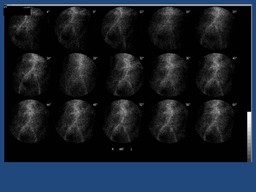
99mTechnetium, in the chemical form of pertechnetate (99mTcO4-), is used for thyroid imaging, and also gives an indication of uptake. The similarity of volume and charge between the iodide and pertechnetate ions is the explanation for the uptake of 99mTcO4- by the thyroid gland. 99mTc-pertechnetate has a short half-life (6 hours), short retention in the gland, and no β- radiation emission; and thus delivers a low radiation dose to the thyroid gland and total body. Its 140 keV gamma photon is ideal for imaging. See accompanying images at right of the same patient. 99mTcO4- is very readily available, and is relatively inexpensive.
123Iodine-iodide became commercially available about 30 years ago. Because it delivers a much lower radiation dose per mCi than 131I, and because it emits gamma photons more suitable for imaging (159 keV), 123I is currently is most often utilized isotope for thyroid uptake and imaging. However, it is significantly more expensive than 131I, and supply is much less reliable. Additionally, if a lower dosage of 131I NaI (ex. 5-10 uCi) is used, the radiation dose to the thyroid is actually higher from an 123I study than from a combined 131I uptake/99mTc imaging study. The difference in total body exposure is insignificant. See the table below. Dosimetry information is from the manufacturers' product package inserts.
|
Radiation Dosimetry in Adults (15% uptake, PPI reported radiation dosimetry)
| |
Radiopharmaceutical
|
Administered Activity
(uCi)
|
Thyroid Dose
(rad/administered dose)
|
Total Body Dose
(rad/administered dose)
| |
Na-I-131 iodide
|
5-10
|
4 - 8
|
0.0024 - 0.0047
| |
Na-I-123 iodide
|
400
|
23
|
0.0025
| |
Tc-99m pertechnetate
|
5000
|
0.65
|
0.048
|
|
|
Hope for Harlie
| Harlie Bryant is the 6 year old daughter of Lisa Bryant, a nuclear medicine technologist that many of you  know from Owensboro Heart & Vascular in Owensboro, KY. About a year ago, Harlie was having a routine eye exam, as required for admission to kindergarten, when she was diagnosed with astrocytoma, a type of brain tumor. know from Owensboro Heart & Vascular in Owensboro, KY. About a year ago, Harlie was having a routine eye exam, as required for admission to kindergarten, when she was diagnosed with astrocytoma, a type of brain tumor.
We would like to let you know that you can help support Lisa and her family in their fight to save Harlie. Become one of "Harlie's Angels"! Go to HopeForHarlie.org to show your support and help pay medical bills, ease their financial worries, and allow them to focus on taking care of Harlie.
HopeForHarlie.org
115 Green Meadows Dr.
Beaver Dam, KY 42320
(270)991-2513 info@HopeForHarlie.org
|
| Promotion Name | |
ELIMINATE RADIOACTIVE CONTAMINATION
- Highly effective at removing Tc99m, I131, and other isotopes
 - Pleasantly scented
- Decontaminites fume hoods
- Safe for use on syringe shields, will NOT cloud leaded glass
- Non-corrosive; safe on delicate detectors, probes & survey meters
- Clean washrooms, bench tops, fume hoods, floors-most surfaces
- Extremely effective on I131; clean isolation rooms & patient "accidents"
- Will not stain lab coats and clothing
- Bind-itTM Hand Soap is ideal for accidental skin contamination
- Economical, a little goes a long way
Call Radiopharmacy, Inc. for more information.
|
|
HAZMAT Training Help
| |
 WHAT THE HAZARDOUS MATERIALS REGULATIONS REQUIRE WHAT THE HAZARDOUS MATERIALS REGULATIONS REQUIRE
The Hazardous Materials Regulations (HMR; 49 CFR Parts 100-185), issued by the Department of Transportation's Pipeline and Hazardous Materials Safety Administration (PHMSA) under authority of the Federal hazardous materials transportation law (49 U.S.C. 5101 et seq.), establish requirements governing the commercial transportation of hazmat by highway, rail, vessel, and air.
Under the HMR, hazardous materials are categorized by analysis and experience and assigned hazard classes and packing groups based upon the risks they present during transportation. The HMR specify appropriate packaging and handling requirements for hazardous materials, and require a shipper to communicate the material's hazards through use of shipping papers, package marking and labeling, and vehicle placarding. The HMR also require shippers to provide emergency response information applicable to the specific hazard or hazards of the material being transported.
THE HAZARDOUS MATERIALS REGULATIONS' TRAINING REQUIREMENTS
The HMR mandate training requirements for persons who prepare hazmat for shipment or who transport hazmat in commerce. The intent of the regulations is to ensure that each hazmat employee is familiar with the HMR, is able to recognize and identify hazardous materials, understands the specific HMR requirements applicable to the functions he or she performs, and is knowledgeable about emergency response, self-protection measures, and accident prevention methods. The regulations are performance based to provide a baseline set of training requirements while acknowledging the need for flexibility due to the diversity of the hazmat workforce.
Training requirements are located in Subpart H of Part 172 of the HMR. The training requirements apply to hazmat employers and hazmat employees as defined in §171.8. The HMR require all hazmat employees to be trained including hazmat employers with direct supervision of hazmat transportation functions.
Training must be completed within 90 days of the first day of employment or the fi rst day of a change in job function. Until training is completed, a hazmat employee must be directly supervised by a person who has been trained. Further, each hazmat employee must be provided with recurrent training at least once every three years. Each hazmat employee must be tested upon completion of training. Training may be provided directly by the hazmat employer or by other public or private sources. Regardless of who provides the training, the hazmat employer is responsible for ensuring that appropriate testing occurs and that the training is effective, appropriate, and successful in achieving the intended objectives of providing employees with the knowledge and skills necessary to perform their job functions safely.
THE FIVE TYPES OF TRAINING REQUIRED
GENERAL AWARENESS/FAMILIARIZATION TRAINING: Training that provides familiarity with the general requirements of the HMR and enables the hazmat employee to recognize and identify hazardous materials. All hazmat employees must receive general awareness training.
FUNCTION-SPECIFIC TRAINING: Training that provides a detailed understanding of HMR requirements applicable to the function(s) performed by the hazmat employee. Each hazmat employee must be trained on the specifi c functions they are required to perform.
SAFETY TRAINING: Training that covers the hazards presented by hazardous materials, safe handling,memergency response information, and methods and procedures for accident avoidance. All hazmat employees must receive this training.
SECURITY AWARENESS TRAINING: Training that provides a general understanding of the security risks associated with hazardous materials transportation and the methods designed to enhance transportation security. This training should include methods on how to recognize and respond to possible security threats. All hazmat employees must receive this training.
IN-DEPTH SECURITY TRAINING: Training that provides a detailed understanding of a company's security plan including company security objectives, specific security procedures, employee responsibilities, actions to take in the event of a security breach and the organizational security structure. This training must be provided to hazmat employees who handle or perform regulated functions related to the transportation of the materials covered by the security plan or who are responsible for implementing the security plan.
RECORDKEEPING REQUIREMENTS
The hazmat employer is responsible for maintaining training records for each hazmat employee. These records must be kept for the duration of the three-year training cycle while the hazmat employee is employed and for 90 days after the employee leaves employment. Training records must be made
available by the employer for audit and review by regulatory authorities upon request.
- Training records must include the following:
The hazmat employee's name
The most recent training completion date
A description of, copy of, or reference to training materials used to meet the training requirements
The name and address of the person providing the training
A certification that the person has been trained and tested as required
Certification that the hazmat employee has been trained and tested shall be made by the hazmat employer or a designated representative.
"What You Should Know: A Guide to Developing a Hazardous Materials Training Program"
Program Guide
|
|
Nuclear Medicine: Sources of Error
| |
111In-Leukocyte Scintigraphy for Suspected Infection/Inflammation
- Potential causes for focal 111In-leukocyte soft tissue localization other than infection: intravenous line localization, accessory spleen, acute bleeds, hematomas, inflammatory response to foreign body, neoplasm, localized bile collections, bowel inflammation, endometritis, vaginitis, myositis ossificans, bladder catheters, nasogastric and tracheostomy tubes, and recent infarcts. Rare cases of false-positive 111In-leukocyte scans caused by increased numbers of labeled platelets have been reported.
 - Potential causes of false-negative 111In-leukocyte studies: chronic abscess more than 3 weeks of age, lymphocytic mediated infection (tuberculosis, sarcoidosis, granulomatous process, viral infection, etc.), hepatic or splenic abscesses, abscess adjacent to the liver or spleen, low-grade or chronic osteomyelitis, especially in the central skeleton, such as vertebral osteomyelitis. False negative scans for detection of osteomyelitis can occur when the patient is imaged after being on intravenouslya administered antibiotics for several weeks. If intravenous antibiotics have been stopped for 2-4 wk before imaging, a false-negative scan is not likely to occur.
- Bowel 111In-leukocyte localization not caused by infection: irritative bowel lesion(s) such as stomas or from multiple enemas, gastrointestinal bleeding or infarction, fistula to bowel from an adjacent abscess, swallowed labeled cells (bronchitis, sinusitis, pneumonia).
- Noninfectious causes of 111In-leukocyte m bone/joint localization: active rheumatoid or traumatic/degenerative arthritis, gouty arthritis, acute fractures (less than 2 mo), traumatic or neuropathic arthropathy, acute bone infarcts, foreign body reaction. Rarely neoplasms such as lymphoma, adjacent soft tissue inflammation such as myositis, or active heterotopic bone formation can cause 111In-leukocyte uptake.
- Errors in interpretation in suspected osteomyelitis cases can be minimized by obtaining 99mTc-sulfur colloid marrow studies in cases where 111In-leukocyte images are indeterminate (neither clearly positive nor negative).
a. Concordant 111In-leukocyte and 99mTc-sulfur colloid marrow uptake is normal, whereas a discordant pattern, with 111In- leukocyte uptake without corresponding marrow uptake, is highly suspicious for infection.
b. Simultaneous acquisition of 111In-leukocyte/ 99mTc-diphosphonate bone images helps distinguish adjacent soft-tissue in fection from bone infection, increasing the
specificity for osteomyelitis.
- Extensive soft tissue surrounding bone may give the appearance of underlying bone involvement. (In this circumstance SPECT may be helpful.)
- If a 20-30-mCi dose of 99mTc bone tracer is injected on the same day as the 111Inleukocyte images, the intense 99mTc activity can produce photon overload in the lower 111In window, which may cause a corresponding false-positive focus. Use of the lower 111In window should be avoided if 99mTc bone tracer is injected just before 111In-leukocyte imaging. Similarly, on the delayed images, intense 111In activity may scatter into the 99mTc window. The contribution that scatter makes to the final image varies from camera to camera and should be evaluated.
- False-positive scan interpretations can occur in patients with very active soft-tissue infection adjacent to a thin and/or relatively vascular bone, such as the maxilla, mandible, or pelvis.
- Causes for abnormally decreased 111Inleukocyte accumulation:
a. Osteomyelitis of the spine will often appear
as focal decreased uptake compared with adjacent bone marrow.
b. Decreased uptake can also be seen in severely hypovascular/avascular sites (e.g.,
cysts). Implants (e.g., prostheses and pacemakers) can also have this appearance.
99mTc-Exametazime (HMPAO)-Labeled Leukocyte Scintigraphy for Suspected Infection/Inflammation
- Note that the normal biodistribution of 99mTc-leukocytes differs from that of 111Inleukocytes. In adults, a changing pattern of bowel activity prior to 4 h is likely from intraluminal transit of labeled cells secondary to inflammatory bowel
 disease or bleeding, or may indicate a fistula from an abscess. In children, progressive physiologic bowel activity can be present by 1 h. Delayed imaging alone is often misleading in inflammatory bowel disease. Bone marrow expansion or hyperplasia can alter the normal marrow patterns. (See the Society of Nuclear Medicine Procedure Guideline for 111In-Leukocyte Scintigraphy for Suspected Infection/Inflammation, section IV.J. for other sources of errors.) disease or bleeding, or may indicate a fistula from an abscess. In children, progressive physiologic bowel activity can be present by 1 h. Delayed imaging alone is often misleading in inflammatory bowel disease. Bone marrow expansion or hyperplasia can alter the normal marrow patterns. (See the Society of Nuclear Medicine Procedure Guideline for 111In-Leukocyte Scintigraphy for Suspected Infection/Inflammation, section IV.J. for other sources of errors.) - False-negative results occur as a result of rapid bowel clearance of labeled leukocytes from inflamed bowel, particularly in the small bowel. Bladder activity may mask a pelvic site of infection (voiding or, when necessary, catheterization is suggested before pelvic imaging). Normal renal activity can make it difficult to detect pyelonephritis and/or a small renal abscess. Chronic walled-off abscesses or low-grade infections, particularly in bone, have less 99mTc-granulocyte accumulation and are more likely not to be visualized. Residual diffuse lung activity, particularly in patients with heart or renal failure, may obscure focal lung infections even as late as 4-6 h after injection.
- False-positive results can occur from rapid small bowel transit of hepatobiliary secretion and focal accumulation of activity in the cecum, particularly if imaging is done after 1 h in children or 4 h in adults. Active gastrointestinal bleeding or swallowed cells can be mistaken for an inflammatory bowel process. Focal collections of inflamed peritoneal fluid or sites of focal bowel inflammation can be mistaken for abscess. Hematomas and inflammation around neoplasms such as lymphomas lymphomas may also mimic an abscess. Noninfected vascular grafts and/or shunts can show increased localization because of bleeding or noninfected reparative process.
Gallium Scintigraphy in Inflammation
- Residual bowel activity is probably the most common cause for both false-positive and false-negative interpretations.
- Hilar nodal localization (usually low-grade) can be seen as a normal variant in adult patients, particularly in smokers.
- In children and teenagers, increased activity can be seen in thymic hyperplasia after chemotherapy. Below 2 y of age, increased thymic activity is common.
- Gadolinium administered for MRI enhancement within 24 h before gallium injection has been observed to decrease gallium localization.
 - Saturation of iron-binding transferrin sites (e.g., hemolysis or multiple blood transfusions) causes altered gallium distribution.
- 67Ga uptake at sites of bone repair secondary to healing fractures or prior orthopedic hardware sites, loose prostheses, or after successful treatment of osteomyelitis may complicate interpretation in patients with suspected osteomyelitis.
- Recent chemotherapy and radiation therapy.
- Desferoxamine therapy.
- Increased breast activity.
- Hilar, submandibular and diffuse pulmonary localization in patients with lymphoma during therapy.
- Radiation sialadenitis causing increased localization.
- Uptake in a variety of tumors (lymphoma, hepatoma, lung cancer).
--SNM Guidelines
|
|
CE Opportunity
| |
KENTUCKY SOCIETY OF NUCLEAR MEDICINE TECHNOLOGISTS
Fall meeting: October 20th, 2012 WKU
Carroll Knicely Conference Center in Bowling Green
KSNMT member $60.00
Non-member $85.00
Student $15.00
(prices increase after October 6th)
Hotel: Baymont Inn and Suites ($69.99 plus tax--mention KSNMT when making reservations)
Free High Speed Internet, Indoor Pool, Recreation Area, Guest Laundry and is connected to a Denny's.
The address is I-65 south Bowling Green Exit #22, 4700 Scottsville Road 42103. To reserve room please call 270-782-3800
This program has been submitted to SNMTS (VOICE) for CE approval. VOICE approval is accepted by the KY Radiation Operator Certification Program. To obtain official credit you MUST go online and evaluate the program.
For more information please call Radiopharmacy, Inc.
@ 812-421-1002
|
|
Free Continuing Education
|  NUCLEAR MEDICINE REIMBURSEMENT: BASICS & UPDATES By: Dave Koerber from Mallinckrodt/Covidien When: Monday, October 8th @ 6:30pm Where: Radiopharmacy, Inc. 1409 E. Virginia St. Evansville, IN 47711 When: Tuesday, October 9th @ 12:00 pm Where: Regional Medical Center Commonwealth Meeting Room (First floor -- in the cafeteria) 900 Hospital Drive Madisonville, KY When: Tuesday, October 9th @ 6:30 pm Where: Salem Hospital Mobley Community Room (Enter through the front entrance) 1201 Ricker Drive Salem, IL 62881 Refreshments will be served This is a one hour live presentation approved by the Society of Nuclear Medicine for 1 CEH. Please RSVP to Radiopharmacy, Inc. at (812) 421-1002. You may also fax your reservation to (812) 421-1004. Sponsored By:  |
|
For Sale....Slightly used, heavily discounted
Lead Lined Waste Container.....$200
|  Lead Bricks..........$60.00 each
Rectangular Lead Brick; 8" l x 4" w x 2" h (20 x 10 x 5 cm), 27 lb (12.5 kg)/each
Lead Apron...................$100.00
......a protective shield of lead and rubber that may be worn by a patient, radiologic technologist or radiologist.
|
|
Technologist Job Line
| |
If you are interested in the following position please feel free to contact the department directly, or give us a call at the pharmacy. Technologists looking for full-time or part-time position.
Full time postion:
DHS: Nuclear Medicine Technologist
Part-time prn for the Paducah area.
Contact: Bill Gooch @ 800 322-6341
Good Samaritan Hospital, Vincennes, Indiana
Full Time Nuclear Technologist
Contact Mike @ 812-885-3288
|
|
Radiopharmacy Services
|
Survey Meter Calibration: 
Radiopharmacy's price for survey meter calibration is $50.00/meter. Shipping and handling from and back to your location is $20.00. Shipping will be by
FedEx ground unless otherwise specified. We will pick up the instrument, send it to Mid-America Calibrations, and after calibration return it directly to you. If required, Radiopharmacy has rental survey meters while your unit is being calibrated.
Co-57 Flood Sources and Dose Calibrator Reference Sources 
Don't forget; Radiopharmacy, Inc. sells all types of radioactive sources for all types of cameras and equipment. We supply sources from a variety of major vendors in our efforts to pass along the best products at the lowest cost. Just give us a call for a price quote or for information about anything your department may need.
Linearity Check
Radiopharmacy, Inc. has a Lineator for performing dose calibrator linearity. The Lineator allows linearity to be performed in minutes rather than days. Call Radiopharmacy for more information.
Co-57 Dose Calibrator Source Rental NRC and Agreement States require that radioisotope dose calibrators be tested for accuracy annually with at least two different sealed sources. One must have a principal photon energy between 100 and 500 keV. Because Co-57 has a photon energy close to Tc-99m it is a good choice for one of the two radionuclide sources. The NRC requires the source be at least 50 uCi but some agreement states require the Co-57 to be at least 1 mCi. However, since the half life of Co-57 is only 270 days, your source must usually be replaced every two to four years. The cost of a 5 mCi dose calibrator source is more than $700 including shipping. That makes the annual cost at least $175-$350 for the Co-57 source alone. Radiopharmacy Inc. would like to offer our customers who are purchasing their own Co-57 sources an option. You may "rent" a source from us for $50. We always keep on hand a Co-57 dose calibrator source that is at least 50 uCi, and we are able to deliver and retrieve it with your normal deliveries. Simply give us a call if you are interested. Radiation Safety DVDs
Radiation safety training for nuclear medicine support staff is an annual requirement, and for most an annual headache. Getting staff from nursing maintenance, housekeeping, etc., together all at once is practically impossible, and buying an expensive training video is not a real attractive alternative.
Radiopharmacy has hopefully found a better solution. We have radiation safety videos that are available for your use. One is titled "Radiation Safety and Common Sense:, and the other "Radiation Safety Training for Hospital Support Staff". Rental fee is $50 per week per video. We anticipate most people need only one video for one week.
|
 Radiopharmacy, Inc. is staffed by Board Certified Nuclear Pharmacists (BCNP's) with advanced education, training and experience in the preparation, distribution, and pharmacology of radiopharmaceuticals. Our staff is always available to answer questions or research information regarding radiopharmaceuticals and nuclear medicine studies, unexpected biodistributions, adverse reactions, drug interactions, radiation safety, regulatory requirements, and reimbursement strategies. We also offer assistance with literature searches, research design preparation, investigational drug procurement, specialized labeling procedures, pharmacokinetic analyses, and dosimetry estimations. Radiopharmacy, Inc. is staffed by Board Certified Nuclear Pharmacists (BCNP's) with advanced education, training and experience in the preparation, distribution, and pharmacology of radiopharmaceuticals. Our staff is always available to answer questions or research information regarding radiopharmaceuticals and nuclear medicine studies, unexpected biodistributions, adverse reactions, drug interactions, radiation safety, regulatory requirements, and reimbursement strategies. We also offer assistance with literature searches, research design preparation, investigational drug procurement, specialized labeling procedures, pharmacokinetic analyses, and dosimetry estimations.
Radiopharmacy's services are designed to assist your department in offering the newest, most progressive therapies and diagnostic tests available, and to help you maximize your overall efficiency in order to improve patient satisfaction and your profitability. To go to our website click on the image above.
Products and Services
-
Radiopharmaceuticals - Diagnostic and therapeutic -
Radioactive Sealed Sources -
Brachytherapy Sources (I-125 and Pd-103) -
Lab Testing -
Nuclear Medicine Department Computer Software, -
Reimbursement Assistance -
Continuing Education -
Health Physics Consulting -
ICANL and ACR Accreditation Assistance -
Professional Consultation regarding radiopharmaceuticals and their clinical use.
|
NOTE TO READERS: In an
effort to keep the Monthly Scan relevant, useful and informative,
feedback on the contents of the newsletter is welcome. Readers desiring
to contribute articles, suggestions for future articles, bulletins,
website postings, and other items of interest to the Monthly Scan
readership, should contact a pharmacist at Radiopharmacy, Inc. Sincerely,
CONFIDENTIALITY NOTICE This
communication is for the sole use of the intended recipient(s) and may
contain information that is confidential, privileged, or otherwise
exempt from disclosure under applicable law. If you are not the
intended recipient(s), the dissemination, distribution, or copying of
this message is strictly prohibited. If you have received this
communication in error, please contact the sender immediately and
destroy all copies of the original message and any attachments.
Receipt by anyone other than the named recipient(s) does not constitute
a waiver of any applicable privilege. |
|
|