Child Life Celebrates with a collection of art
|
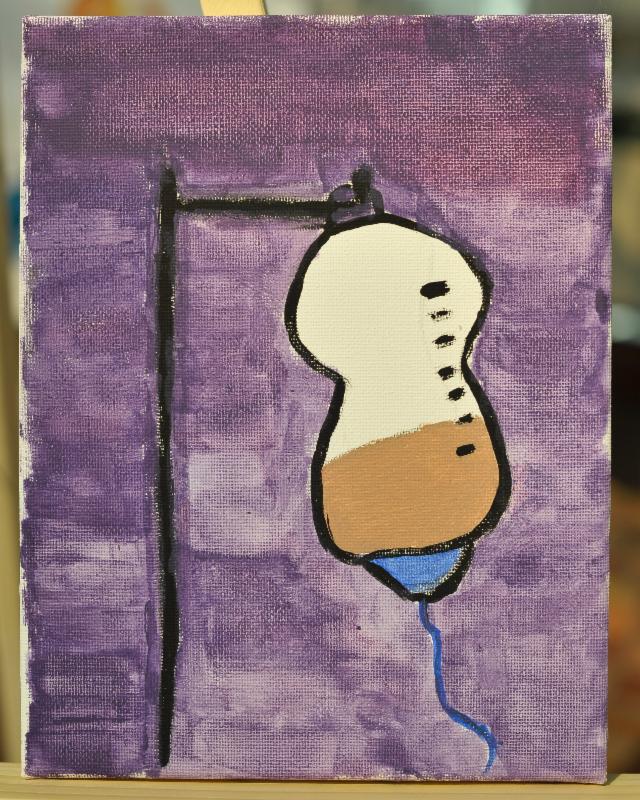
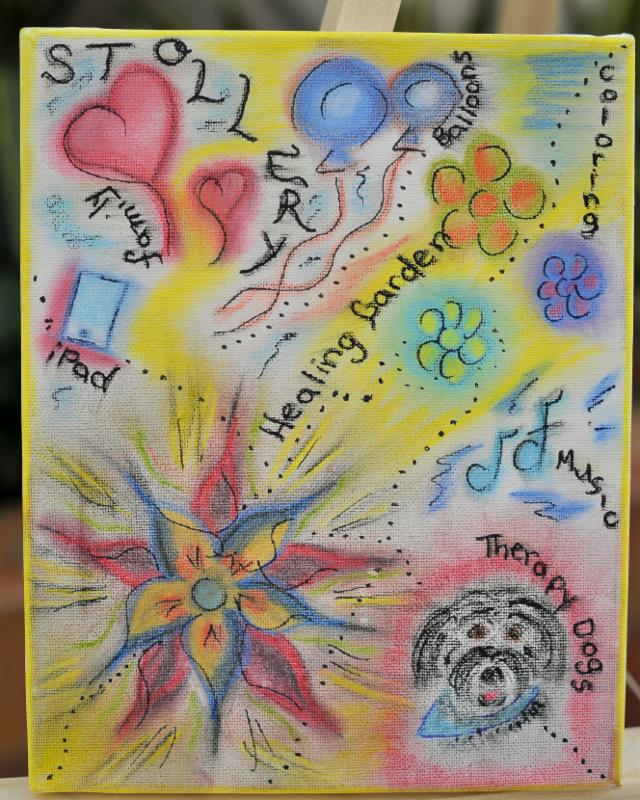
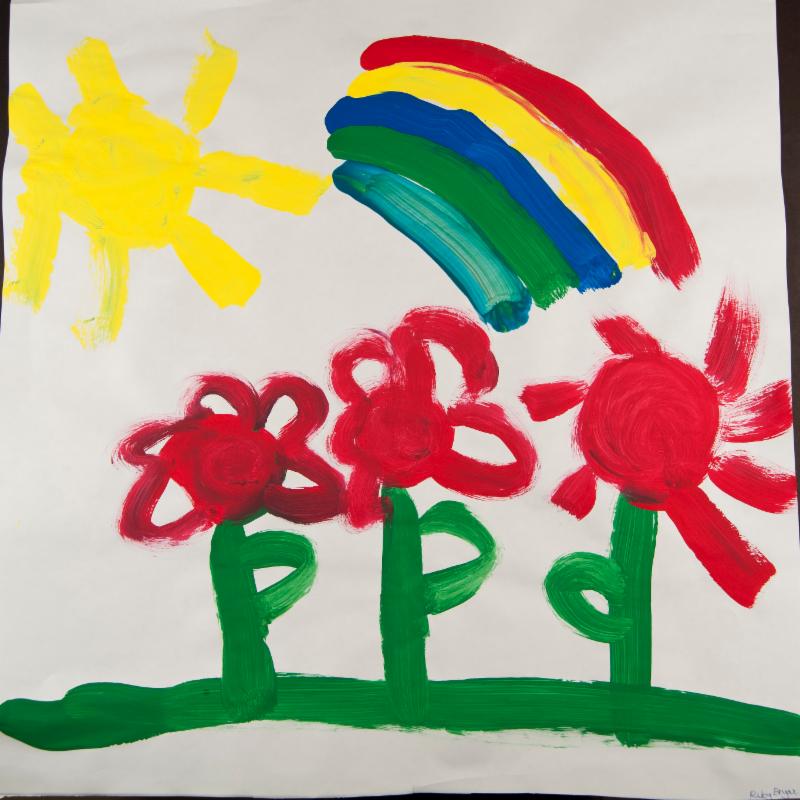
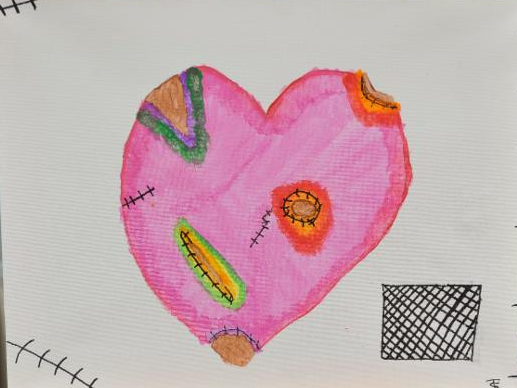
 On April 15th, Child Life Specialists from the Stollery presented an exhibit of patients' artwork in the atrium. Child Life Specialists felt the inspiration for the exhibit came from a former patient, Haley Klak, who passed away in 2008 but had dreamed of being a Child Life Specialist. The exhibit, "A Journey through the Stollery", showcased art from a child's perspective as they journey through the hospital. Child Life Specialists help children cope with their illness and their experience at the hospital through different strategies such as art, music, and play. Each piece of artwork is a message from a child or their family - a delightful way to celebrate the wonderful role Child Life plays in the support of patients at the Stollery. To learn more or hear from some of the patients who exhibited artwork, you can watch it on CBC or read more about it on Alberta Health Services website. The beautiful pieces of art throughout this e-newsletter are just a few of the submissions from the exhibit. We are so privileged to have so many patients share their journey and their talents with us.
 

|
|
| |
Did you miss a couple editions of the Stollery Family Centred Care Primer? Do you want to re-read about some the great accomplishments families, staff and physicians have been able to make working together?
To view previous editions, since January 2013, just click on this link:
|
ONLINE FCC NETWORK MEMBERSHIP APPLICATION
| |
Do you know anyone who would be interested in being part of the FCC Network? We've made it easier than ever to join!
Forward this primer by clicking:
Interested members can apply online or on their Smartphones or tablets by clicking on the following link:
Or by scanning the bar code above!
|
|
|
THANK-YOU to our Volunteers
|
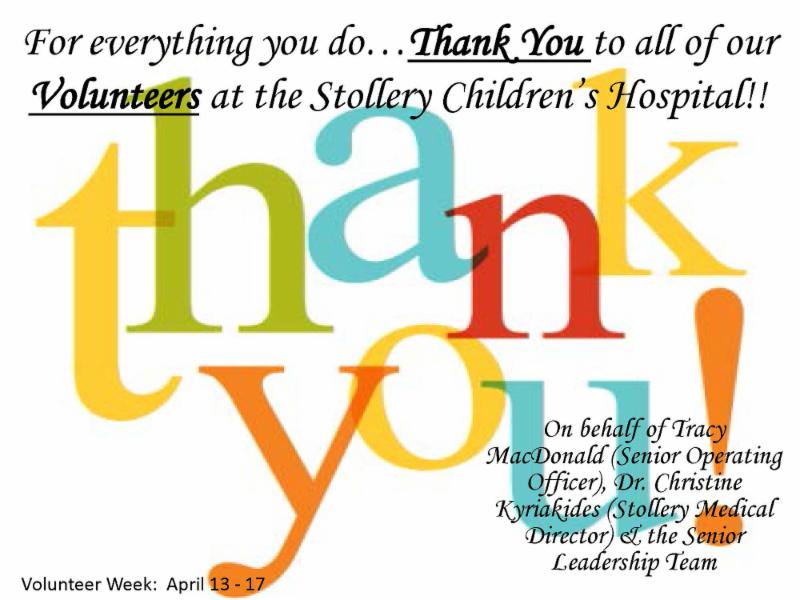
April 13-17 was volunteer week at the Stollery and we are so grateful to acknowledge all the wonderful people who support the work through the Family Centre
dCare Network.
The family members on the Stollery Family Centred Care Network are all previous patients, or parents who have had children at the Stollery. They provide valuable input on the operations of the Stollery in a variety of ways.
We are very honored to have families so generously volunteer their time and experience to improve how care is provided to children and youth at the Stollery. They are valued members of our Stollery team.
128 family members volunteered a total of 1,500 hours in the past year.
- Families are consistently a part of the Capital Project teams. This year family members have been involved in the plans for an expanded Critical Care area and Operative Services expansion.
- Many patients and families present their families stories with the intent to inspire, motivate and educate health professionals. Families now regularly present at Nursing Orientations, in the training of NICU Medical Fellows, and to Nursing students at MacEwan University.
- Families also play an important role in providing peer support to families currently in the hospital at parent groups in the NICU and PICU, as well as on a one-to-one basis on a Medical inpatient unit.
- New ideas on how to improve the patient and family experience flow from the volunteer members on our Family Centred Care Council and NICU Family Advisory Care Team members
- In our quest to embed patient and family centred care throughout the organization, more family representatives are active on hospital committees and quality councils.
|
Quality Improvement and the Surgical Journey
|
On April 8th and 9th a cross-disciplinary team came together to discuss improvements in the surgical journey for patients at the Stollery.
We have two perspectives on including the family and/or patient voice on quality improvement initiatives, like the Surgical Journey Mapping Project. You will hear from Hannah Rempel (HR), a Clinical Quality Improvement Consultant, and Shannon Robertson (SR), a Network Council member.
Hannah Rempel, Clinical Quality Improvement Consultant
FCC- Do you feel there was a benefit to engaging the family voice in the Surgical Journey Mapping Project? If so in what way?
HR -Having our family member with us in the room created a sense of family and common purpose. Having family in the room helped staff not get stuck in their way of doing things and were willing to consider possibilities for the greater good of the family and their child.
FCC-Did you learn anything unexpected from this family engagement?
HR -I was surprised how transparent the staff remained even after our family member arrived. We did coach the staff and reminded them that our families know the truth; they see what happens day in and day out and still love the Stollery staff.
FCC-What, if any, advice do you have for others wanting to engage families in similar projects?
HR -Keep inviting family back to participate in the conversation even when it gets very clinical. Almost start and end the discussion of each step with family input. My other piece of advice that I have learned along the way in the Quality Improvement journey, we have a whole unit or clinic full of those that we serve. We can ask them to participate, engage and voice the opportunities they see to make our health care better.
Shannon Robertson, family representative
FCC- Do you feel you feel volunteering for the Surgical Journey Mapping Project was time well spent?
SR- Absolutely, it was time well spent. It was a great privilege to witness the real, gritty, practical collaboration that has to happen in order to move a family through the process of being identified as waiting for surgery, all the way through to heading home on the other side. Each group has a vital set of responsibilities to be discharged, and each group needs something unique in order to discharge those responsibilities well. I never cease to be amazed at the willingness of all the groups - clinic nurses, OR staff, booking office administrators, housekeeping staff, case-cart readiness staff, bedside nurses, rehab medicine staff, all of them - to reconsider their protocols when there are improvements in quality and efficiency of care to be found. Frankly, it's humbling. Would that we all were so willing to work together towards a common goal.
FCC- What do you feel was the impact of the family voice at these sessions?
SR-
I have never been at a gathering where the family voice was not respected, and this meeting was no different. I had a sense of being respected and included, and I also had a sense that these professionals assumed their work had an impact on families, but that they were ready to hear again just what the nature of that impact was.
FCC- What, if any, advice do you have for others thinking about volunteering in such a session?
SR- Being able to volunteer and to be part of this work is a privilege, and I would recommend it highly. These are the people we trust to partner with us in the most complex care of our children, and they are worthy of that trust. They earn it every day, and furthermore, they take pride in earning it every day. Yes, there are opportunities to reflect back to the larger health care team just how their work affects families and how they might even further empower families to support their children, but there is also opportunity for families to learn just how much the care team does for our kids. I earnestly look forward to another such opportunity to serve.
Thank you to Shannon and Hannah for sharing their perspectives on Family Centred Care and on this process.
|
|