|
Featured Fly & Trip of the Week
Chris recently got back from a trip to Florida. He arrived just in time for the coldest weather of the winter to hit that part of the country. The wind, rain, and cold weather limited the fishing in the Keys but he was able to get out for some night fishing before he returned back to the rain, wind, and cold weather in Western Washington.
He fished from 9:30 pm until 5:00 am targeting fish hanging out under the lighted docks along the Intercoastal Waterway. Fishing at night is not something we get to do very often in the Pacific Northwest. Judging casting distance and getting rigged up were far more challenging than during daylight hours. Luckily for Chris there were plenty of fish around.

When he found out that the fish were surface oriented and would eat popper patterns Chris reached into his Justin Case and grabbed one of his favorite surface patterns, the Gurgler.

The action was steady all night between the picky snook and the marauding schools of jacks. Chris also tried slider type patterns that work well for our local salmon and sea-run cutthroat but the snook had a preference for a fly that made some noise.
 The Gurgler is a great fly that works for almost every saltwater species that swims, especially our local fish in the Northwest. Smaller sizes work well for sea-run cutthroat and larger flies work well for salmon and black rockfish. You can even tie them with a stinger hook to reduce short-strikes while fishing popper for coho salmon.
Watch the video below to learn how easy it is to tie this pattern. 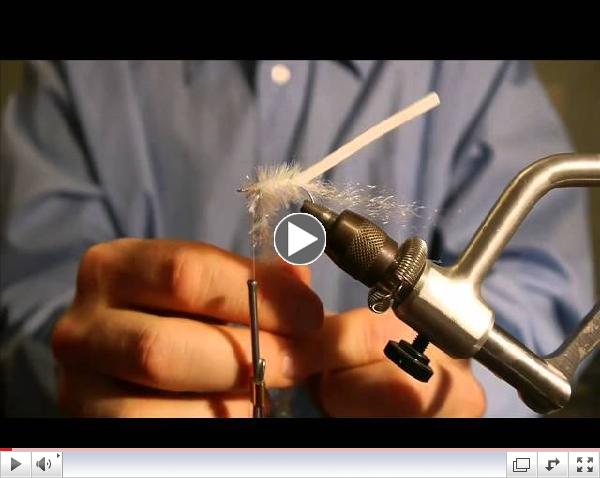 | | Gurgler Fly Tying Video |
|
|
Fishing Forecast
Fly fishing for winter steelhead has picked up over the past few weeks. More fresh winter-runs will enter the rivers with every high water event. Warmer temperatures mean that swinging techniques become more effective until the season ends April 30th. Dead-drifting nymphs, beads, and egg patterns will also remain a good way to bring fish to hand.
There's a little less than one more month to fish the glacial rivers (Hoh and Queets) before they close. Then the fishing will be entirely on the Quillayute System until April 30th. It may be the last month and a half of the winter steelhead season but there is plenty of great fishing left.

The year round lakes are continuing to warm up and that means the trout activity is picking up. In the weeks ahead the stillwater fishing should continue to get better. Fish wooley buggers on sinking lines (Click Here for Lake Lines) and chironomid patterns below a strike indicator.
The saltwater fly fishing will continue to improve as the days get longer. We have talked about the chum fry emergence on the east side of the Olympic Peninsula and the next couple months will be the peak of that saltwater hatch. This is one of our favorite times to chase sea-run cutthroat in the saltwater.
Another saltwater fishery that picks up in March and April is bottomfishing on the Coast and Western Strait. Most people wait for the lingcod season to head out to Neah Bay but the fishing can be great for rockfish before the opener if the weather cooperates. One of the best fly lines for this type of fishing is the RIO Striper 26' line in either a 300 or 350 grain weight matched with an 8 weight rod.

|
|
Your Questions Answered
This weeks customer question is:
"How do fly fishers steady themselves in a strong current with rod in hand and waders on ? What happens if the waders fill up ? Do you recommend felt soles for fishing here?"
Wading safety is very important. Falling in the water can be life threatening. We often think of drowning as the biggest worry, but getting soaked isn't just uncomfortable but is dangerous in cold weather.
There are many things you can do to improve your safety on the water.
First is to always wear a wading belt. Most waders come with a wading belt and you should always wear one. The main benefit is to keep your waders from filling with water. This not only makes getting back on your feet and moving in the water easier, but keeps your lower body drier and warmer.
For steadying yourself in the current we recommend a wading staff. They make a huge difference in strong currents and slick river bottoms. The Simms Wading Staff is our favorite.
We mostly sell boots with felt soles and wear them ourselves. Felt soles are proven over the years and perform well in the water. Adding studs to felt will increase traction on rivers notorious for slick wading (Thompson, Deschutes, North Umpqua, and even the Sol Duc in the summer). While the Simms Studs and Cleats are primarily used on the Vibram soles, they also increase traction on felt soles.
Using a wading belt, wading staff, and having good footwear will maximize your safety while wading. Of course, knowing your physical limitations and not getting into bad situations is just as important. We want everyone to return home safe and sound.
If you have a question for us and want a chance at winning a free fly line, Click Here to learn how to enter.
|




