|
Mexican Wines
Home to the oldest winery in the Americas and grapes that date back to the conquistadors, Mexico offers a surprising selection of native wines.
By Rochelle Broder-Singer
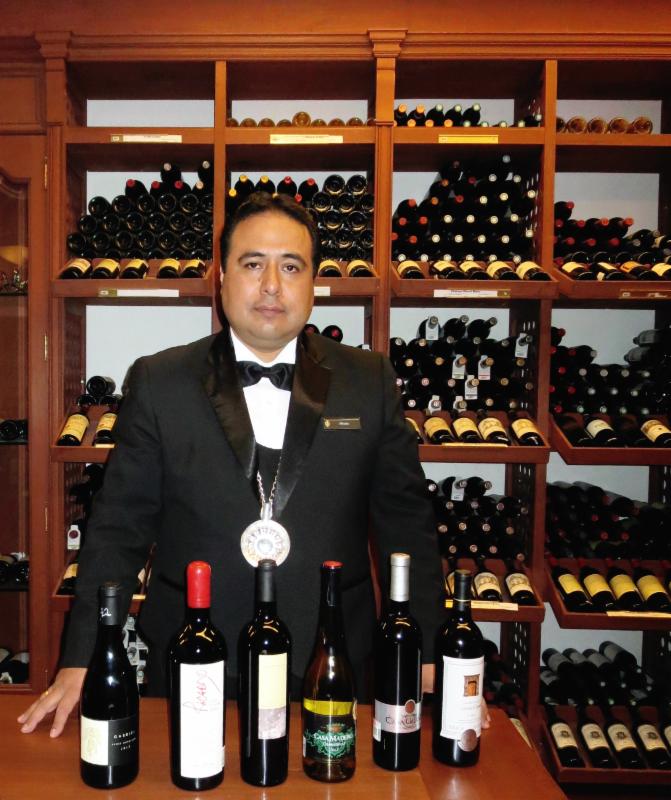 | |
Sommelier Alfredo Mancilla García
|
Which country is home to the oldest wine producing estate in the Americas? Surprisingly it's Mexico, where the oldest wine estate dates back to 1597 (when conquistadors founded it). As I learned during a recent trip to Mexico City, the nation has a relatively small but vibrant wine sector that's growing by around 12% per year, and more than one wine-producing region.
I explored Mexican wines with Alfredo Mancilla García, the sommelier at Au Pied de Cochon in Mexico City. The French restaurant is located in the InterContinental Presidente Mexico City, which houses what is believed to be the largest wine cellar in Latin America. In fact, the hotel's Chapulin restaurant lists 200 Mexican wines on its menu.
Mancilla explains that most Mexican wines are red, mainly very earthy, and made from grapes are of French or Spanish origin. "If you like Chilean and Argentine wine, you'll like Mexican wine," he says. "We also have some that are similar to a U.S. style."
The Americas' Oldest Winery
The Americas' oldest wine estate is Casa Madero, located in the Parras Valley in the Mexican state of Coahuila, north of the city of Parras de la Fuente. There is little rain in that area, and the climate is similar to that of Chile's winemaking regions, Mancilla explains. Casa Madero makes Chardonnay, Malbec, Cabernet Sauvignon, Merlot, Shiraz and Tempranillo, with one line that is fruity and soft and a top line - Casa Grande - that is full-bodied, oaky and spicy.
One of Casa Madero's most unusual wines is a sweet dessert wine called Cosecha Tardía, which means late harvest. Made mainly from Semillon grapes, with 5% Gewürztraminer, it's delicious with dessert, particularly chocolate dessert, Mancilla says.
Guadalupe Valley
Mexico's largest wine region is the Guadalupe Valley, in Baja California Norte - places like Guadalupe, Calfia, San Antonio de las Minas and Ojos Negros. Most wines produced there are earthy and minerally, Mancilla says.
One of Mancilla's favorite producers is Adobe Guadalupe winery, which makes red (and one rosé) blended wines named for Archangels. He particularly recommends Gabriel, a blend of Merlot, Cabernet Sauvignon and Malbec - which, he notes, is delicious with chocolate. He also recommends the house's rosé wine, Uriel, which is a blend of Tempranillo, Syrah, Mourvedre, Cinsault, Barbera, Sauvignon Blanc and Grenache. This fruity, slightly sweet wine can pair with fish, fowl or meat, but is best enjoyed "during a hot afternoon, accompanied by a little appetizer," Mancilla says.
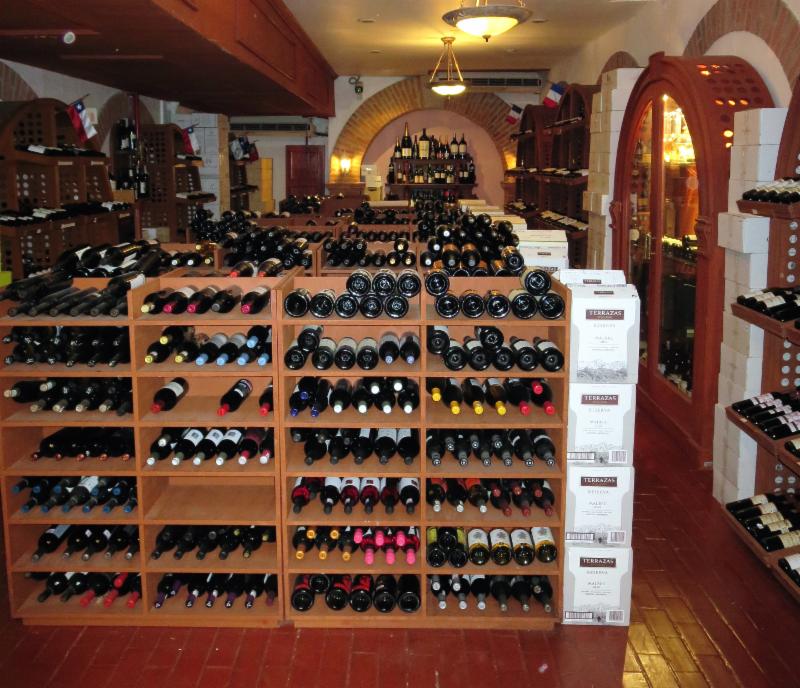 | |
The wine cellar at InterContinental Presidente Mexico City, believed to be Latin America's largest
|
For those who prefer a wine that's more in the style of U.S. wines from California, Mancilla suggests two other Guadalupe Valley wines: Gran Ricardo from the Monte Xanic winery or Chateau Camon. He notes that the Gran Ricardo also pairs well with chocolate.
Other Wine Regions
The Parras and Guadalupe valleys aren't Mexico's only wine regions. Vineyards are found in Zacatecas, Aguascalientes, Querétaro and other states, and wineries can be found in a few other locations.
Interestingly, Mexicans have so far shown little interest in consuming homegrown wines; the industry exports around 80% of its production. But restaurants are beginning to carry Mexican vintages. They're worth checking out on your next trip to the country.
Photos: Rochelle Broder-Singer
|