Today, PLF filed an
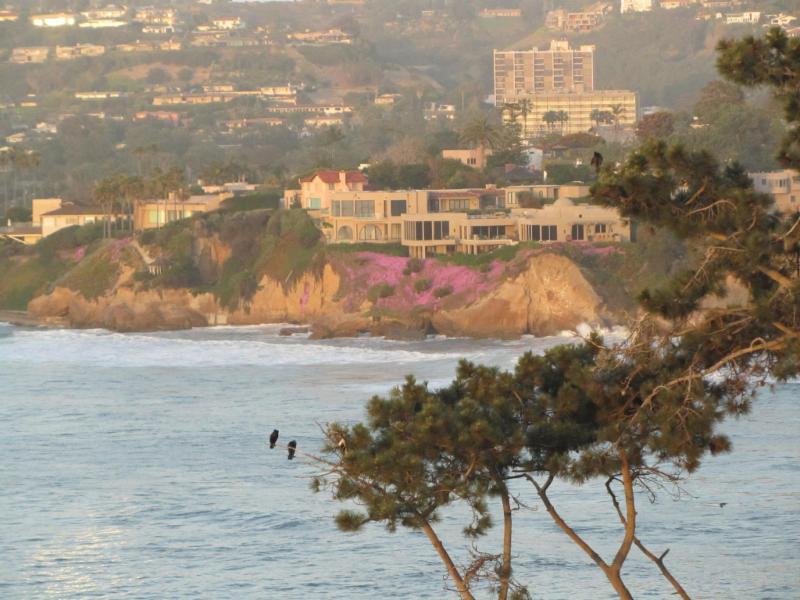
amicus brief in the California Court of Appeal in support of La Jolla coastal landowners who have been battling the California Coastal Commission for over a decade. When Ure and Dianne Kretowicz bought their blufftop property from a bank in 1994, there was no indication that anything was wrong with their title. But when they applied for a permit to install a swimming pool and make repairs to their house, the Commission took notice. The Commission said that there had been a public easement across their property since 1979 and that if the Kretowiczs wanted their permit, they would have to acknowledge the easement and allow the public to cross their property to access. Although the easement was not recorded and the Commission had not enforced it for almost twenty years, the Commission said it could enforce it now without any notice.
Read more in a recent
blog post.
The Kretowiczs tried negotiating with the Commission, but the Commission voted down both agreements they negotiated with Commission staff. The Commission instead inserted conditions in their permit requiring them to dedicate a public easement across their property. That left them little choice but to ask the state courts to declare the easement invalid or unenforceable. A San Diego County trial court rejected their arguments, saying that the fact the 1979 easement had been unrecorded was "irrelevant" because Mr. Kretowicz could have easily gone to the Commission's office and discovered the easement before purchasing the property. The Kretowiczs appealed.
In our brief to the court, PLF will emphasize the importance of protecting innocent property owners from those trying to enforce unrecorded interests. The requirement to record interests in land is meant to protect both current property owners and those looking to purchase real estate. Purchasers should be entitled to rely on the record to determine whether there are any competing claims to the property before they buy, and property owners should not have to wonder if someone will one day come along claiming an easement across their land. Reliance on the record promotes certainty and stability in property ownership; that is why California law recognizes only narrow exceptions to the recording rules for situations where the third party's interest is obvious.
We believe that people are not required to check the Coastal Commission's office for dormant easements before buying property. Because nobody ever recorded the easement, and the Commission never enforced it, the court should declare it invalid. The case is
Kretowicz v. California Coastal Commisssion.
California Supreme Court prepares to hear PLF case against the Coastal Commission
Briefing is complete in the California Supreme Court for this significant case affecting all California coastal landowners. At issue in
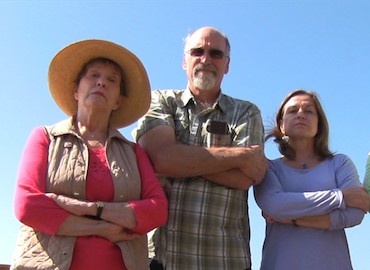
Lynch v. California Coastal Commission is whether the California Coastal Commission can place a 20-year expiration date on permanent seawalls. Barbara Lynch and Thomas Frick are coastal neighbors who own property atop a steep bluff in Encinitas. Together, they applied for a coastal permit to construct a new seawall to protect their homes. The Coastal Commission agreed the seawall was necessary to protect their homes, but nevertheless placed a condition limiting the duration of the permit to 20 years. The purpose of the expiration date is to allow the Coastal Commission to apply future change in policies regarding seawalls. In other words, in twenty years, the Coastal Commission wants to have the authority to deny Barbara Lynch the ability to protect her home with a seawall. The Coastal Commission's termination date converts the million-dollar seawall into a temporary structure.
The problem with the Coastal Commission's argument, however, is that seawalls are authorized under the Coastal Act, and codified in Public Resources Code § 30235. Barbara Lynch sued the Coastal Commission arguing that the Commission is overstepping its authority in placing an expiration date on a permanent seawall. Indeed, in its permitting decision, the Coastal Commission admitted that it wants the homeowners to have to reapply for another permit so that it can keep open its "future shoreline planning options." The trial court agreed with Barbara Lynch. In striking down this condition, it ruled that "the 20 year limit is simply a power grab designed to obtain further concessions in 20 years, or force the removal of seawalls at a later time."
This important case has been appealed all the way to the California Supreme Court. Read PLF's briefs before the supreme court. We are now waiting for the supreme court to set a hearing date. There are some other important issues in
Lynch that will affect all property owners in California. You can learn more about
Lynch v. California Coastal Commission on our website.
And there you have it! As always, thank you for your support. We couldn't do any of this work without the help of donors like you!
Please follow and like us on Facebook and Twitter.