|
Be Wise with Portion Size
By Missy Scheelk, Graduate Assistant UK Health and Wellness
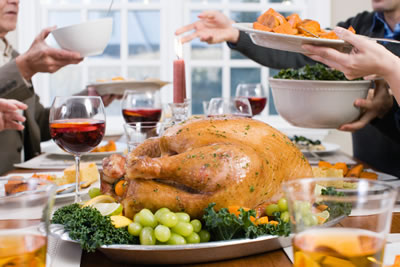 It is often easy to misjudge portion sizes. Over the past few decades, portion sizes of foods have increased drastically. Research shows people unknowingly consume more calories when faced with larger portion sizes. These extra calories can add up quickly over time, especially when consuming high calorie foods and can ultimately lead to weight gain. Here are some tips to help you be mindful of portion sizes: It is often easy to misjudge portion sizes. Over the past few decades, portion sizes of foods have increased drastically. Research shows people unknowingly consume more calories when faced with larger portion sizes. These extra calories can add up quickly over time, especially when consuming high calorie foods and can ultimately lead to weight gain. Here are some tips to help you be mindful of portion sizes:
1. Know the basics: WebMD has provided an easy to use, portion-size guide that is an excellent way to learn portion sizes. For example, 3 oz of chicken is the size of a deck of cards; 1 Tbsp of butter = 1 poker chip, etc. Click here to view the guide.
2. Be cautious when dining out: Many restaurants serve portions that are larger than one person needs at a single meal. Ask for half plates or smaller options or split an entrée with a friend. Also, try asking the server for a "to-go" box, and put half your meal away for another meal.
3. Measure your food: When preparing snacks and meals at home, keep measuring tools handy! Familiarize yourself with proper portion sizes of snacks and food groups. Also, be sure to measure recipes according to the instructions. For example, over-pouring olive oil can add 120 calories for every 1 tablespoon over-estimated.
4. Step away from electronics: When munching in front of the TV, computer, or cellphone. it's easy to overeat when your attention is focused on something else. If you want a snack during screen time, pre-measure the amount you want into a dish and put the package away before sitting down. This can save a lot of calories from mindless eating.
5. Out of sight, out of mind: When it comes to your favorite indulgences, sometimes it's hard to stop at just one. To resist the temptation to over-eat, the key is to keep it out of clear sight and make it inconvenient. For example, store especially tempting foods like cookies, chips, ice cream, etc. out of immediate sight on the top shelf of the pantry or the back of the freezer. Better yet, try to only purchase these foods for once-in-a -while treats.
Other Resources:
Decrease Portions
Portion Distortion Quiz
Adapted from the CDC, How to Avoid Portion Size Pitfalls | 


