Welcome to our March newsletter. We have two feature articles in this issue. One describes the reasons a business owner should consider offering seller financing when his or her business is sold. The second discusses the importance of IT due diligence in the business sale process. Also, be sure to check out our March 20th webinar for technology company owners and executives. We hope that you have a great end of the first quarter! Welcome to our March newsletter. We have two feature articles in this issue. One describes the reasons a business owner should consider offering seller financing when his or her business is sold. The second discusses the importance of IT due diligence in the business sale process. Also, be sure to check out our March 20th webinar for technology company owners and executives. We hope that you have a great end of the first quarter!Sincerely,
 John Austin & Bob Dale
Austin Dale Group
512-327-0427
info@austindalegroup.com
|
Advantages of Seller Financing
Business owners who want to sell their business are often told by M&A intermediaries and business brokers that they will have to consider financing the sale themselves. Many owners would like to receive all cash, but many also understand that there is very little outside financing available from banks or other sources for small businesses. In many cases, the only source left is the seller of the business.

Buyers usually feel that businesses should be able to pay for themselves. They are wary of sellers who demand all cash. The buyer may feel that the seller is really saying that the business can't support any debt or that the business isn't any good and the seller wants his or her cash out of it now. Buyers are also wary of the seller who wants the carry-back note fully collateralized by the buyer. Many buyers may have used most of their assets to assemble the down payment and working capital. The buyer will ask, "What is the seller not telling me and/or why wouldn't the business itself provide sufficient collateral?"
There are real and practical benefits for the seller to offer seller financing. Here are some reasons why a seller might want to consider financing the sale of his or her business:
- More likely to sell: There is a greater chance that the business will sell with seller financing. In fact, in many cases, the business won't sell for cash unless the owner is willing to lower the price substantially. The smaller the businesses, the more likely this is the case.
- Higher price: The seller will usually receive a higher price for the business by financing a portion of the sale price.
- Interest adds up: Most sellers are unaware of how much the interest on the sale increases their actual selling price. For example, a seller carry-back note at 7.5% carried over ten years will increase the amount received by the seller by over 42%. That is, you would receive $1,424,421 if you financed $1 million at 7.5% over a ten year period.
- Higher rate of interest: With interest rates currently the lowest in years, sellers usually get a higher rate from a buyer than they would get from any financial institution.
- Tax benefits: Sellers may also discover that, in many cases, the tax consequences of financing the sale themselves may be more advantageous than those for an all-cash sale. Sellers will want to talk to their tax advisors to best understand the tax consequences of various scenarios.
- Buyer assurance: Financing the sale tells the buyer that the seller has enough confidence that the business will, or can, pay for itself.
There are also a number of advantages of seller financing for the buyer. Just a few include:
- Lower interest
- Longer terms
- No fees
- Seller stays involved
- Less paperwork
- Easier to negotiate
|
|
2012 M&A Review Highlights
Source: Survey results from AxialMarket, a network of 14,000+ qualified deal professionals.
- 2012 was a year defined by perennial uncertainty, influenced by the JOBS Act, the presidential election, the fiscal cliff, and other factors.
- Low interest rates discouraged many owners from selling their businesses as there were few options for post-sale investment.
- An abundance of cash on hand ("dry powder") helped drive larger private equity firms to look at smaller deals than usual, driving subsequent valuations up
- Despite the excess cash, a majority of survey respondents believe that strategic (corporate) buyers will be more active in 2013, especially in these industries:
- healthcare
- energy and utilities
- technology
|
|
Business Valuation, Business Pricing -- A Bit of Reality
- Keep in mind that all business valuations are merely opinions, not fact. The ultimate value is determined by the marketplace.
- The terms and conditions can dramatically influence price. Seller financing, representations and warranties, non-compete clauses, favorable contracts, etc. - all can be important value adders.
- Value is almost always in the eyes of a beholder. The same business will have a different value based on the needs and requirements of the particular potential buyer.
- Supply and demand changes constantly influence value and price.
- Value can depend on the experience, education and thoroughness of the appraiser.
- Business valuations are too often based just on history and not on the future. Buyers are buying a future income stream.
- The reality is that businesses are bought and sold by human beings - enough said!
|
|
12 Value Drivers for IT Solution Providers

Free webinar presented by
Austin Dale Group
Date: March 20, 2013
Time: 11 AM Central / 9 AM Pacific

Are you building your company for the long haul -- or do you plan to sell it in the next few years? Either way, if you are only concerned with top-line revenue growth and cash flow, you may not be maximizing the value of your company. Value drivers are the factors that make the business more desirable and valuable - providing a competitive advantage - in the eyes of buyers and investors.
Most service companies are valued based on the cash flows they generate. However, if there is significant risk associated with their cash flow, the incremental value being generated by growing their sales will not be maximized. Business owners can't control many of their economic and industry risks. Yet there are some company-specific risks (real or perceived) and other value drivers that an owner or executive can control.
In this webinar we will discuss 12 value drivers and risk factors for IT solution providers that can generate as much or more value as incremental sales growth. Once you understand your value drivers you can rate your own company, understand its strengths and weaknesses, and focus on areas that need the most attention. This can give you a valuable strategic and tactical tool in running your business, improving it, and optimizing its value.
|
|
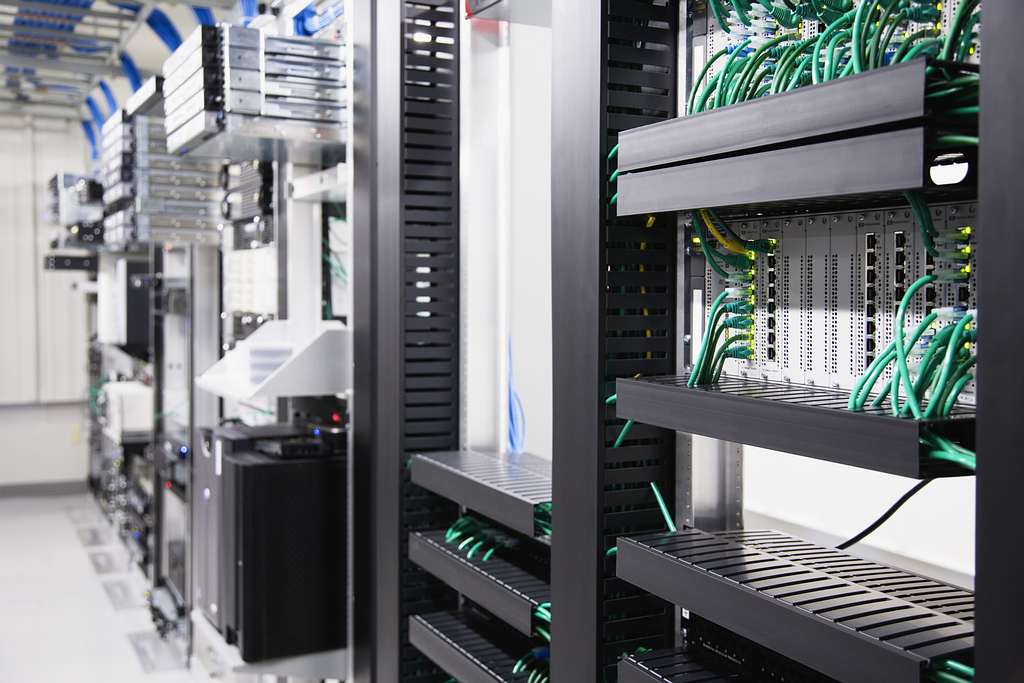
Five Key Reasons to Perform IT Due Diligence
Following are five key reasons why IT due diligence is critical for financial and strategic buyers. Sellers should also understand why their infrastructure is important from the buyer's perspective.
1. System Scalability: Understanding the company's infrastructure and applications is key, especially if its applications are home-grown. IT due diligence can indicate whether the company's systems will scale to meet the needs of the buyer. Because IT flexibility can speed future transactions, assessing scalability is especially critical for platform acquisitions.
2. Financial Implications: IT due diligence identifies the IT costs required to address maturity, risk, or compliance issues and can play a key role in purchase-price negotiations, while eliminating any surprises after closing. Depending on the specific hold period and exit strategy, the need for IT investments can vary considerably. Understanding these inputs during the diligence phase is critical to avoid over- or under-investing in technology. IT diligence can also reveal IT waste or other costs ripe for reduction.
3. Reporting: Having problems getting operational or financial reports? IT diligence can shed light on the root cause of reporting issues and identify options that exist to alleviate the problem(s).
4. Carve-out Transactions: IT due diligence is even more important for carve-out transactions in which a business unit is sold but not the entire business. Understanding the costs required to separate a business unit can be a factor in negotiating not only the purchase price but the transition services that the selling company may need to provide for a period of time.
5. System Ownership: Many custom-built applications originate from open-source software, which can take several different legal forms. Some open-source code can be leveraged for commercial use without any changes, while others require modifications prior to use. IT due diligence can determine whether open-source code violations exist.
Source: PitchBook News
|
|
512-327-0427
info@austindalegroup.com
  
|
|