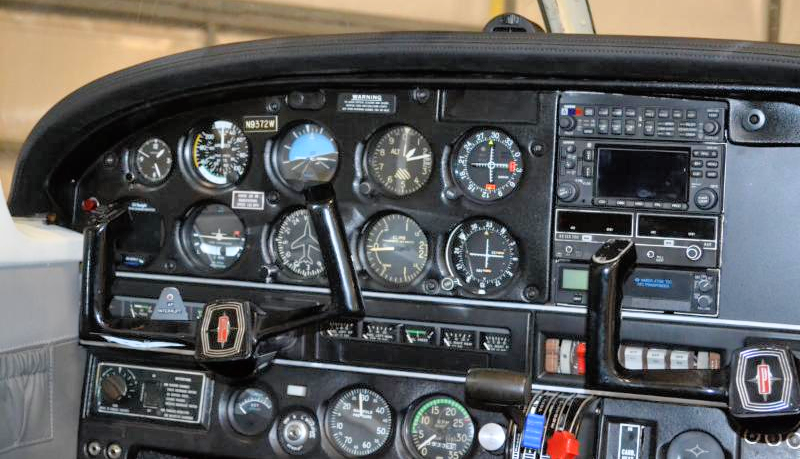
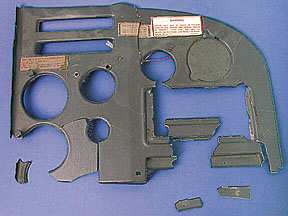
What makes your plastics brittle?
Tips that can help extend the life of your interior.
| |
|
|
|
|
Cracked, broken, or disintegrated interior plastics?
|
|
What's happening under the surface.
|
|
Causes of plastic degradation
|
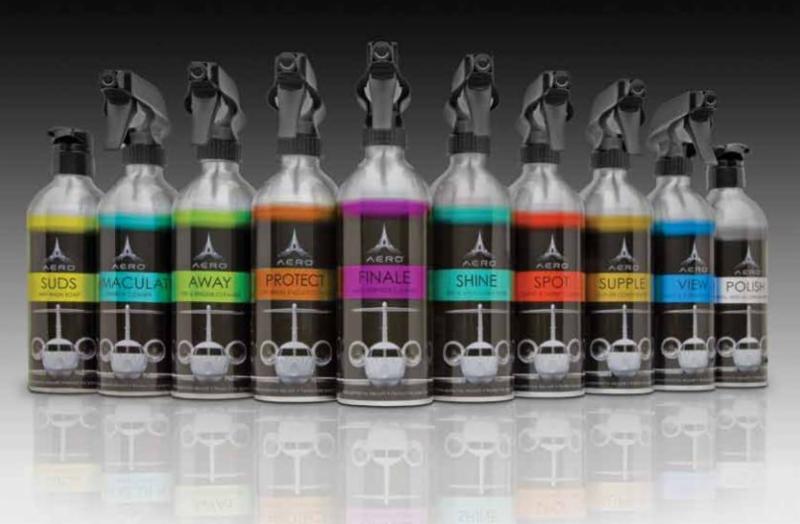 There are several factors that attribute to the breakdown of the plastic including Ultraviolet exposure, Temperature changes, and application of harsh cleaning and detailing products.
- UV light over time 'boils' the plasticizers out of the plastic and it loses its flexibility.
- ABS, depending on the grade, is known to be resilient to a temperature range of -4 to 172 degrees Fahrenheit; but over time the fluctuation releases the chemical bonds in the plastic as well as releases plasticizers to the surface to evaporate.
- Harsh cleaning and detailing products are major killers of your plastic's longevity. Many off the shelf automotive products are focused on looks rather than protection. That "protective shine" is often just an oily outer coat that does worse to the plastic and degrades it further. It may look good but it does little in the long run. You may know that ArmorAll got a bad wrap in the 70's and 80's for it's products' containing chemicals that would break down the plastics of automobiles, a stigma they're still facing today. My 2003 pickup's dash falls apart every time I hit a bump a perfect example of sun + temperature + solvents found in the 'care products' I used. Fortunately there are products on the market specifically formulated to replace some plasticizers and to further clean and protect your plastic.
Note: If you ever intend to paint your plastics, avoid using any care products, especially those containing silicone as they will inhibit the paint from bonding.
|
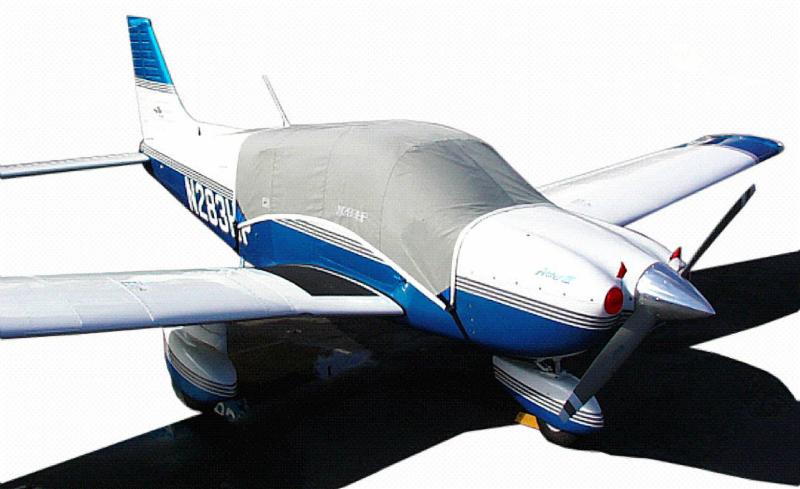 Keeping your aircraft out of the elements is always the most effective solution to the UV and temperature problem, however, you may not have the luxury everywhere you go. Canopy covers and sun screens
As far as cleaning the plastics, if they're simply dusty, soapy water should help you out. If you're looking for an off the shelf product for this SEM soap is good for removing non-greasy contaminants. But what if you're looking for something to remove the set in grunge and oily smudges from your trim parts? SEM offers " Plastic and leather prep" that r emoves fingerprints, grease, wax and other contaminants and leaves plastic substrates clean for coating without softening or distorting the plastic.
If you're wanting to further protect your plastics from the elements, we HIGHLY recommend painting the plastic. This step works best with new plastics that still have a lot of life left to save. There are paints specifically formulated to bond to plastic such as SEM Color Coat. Used on either new parts or prepped used parts, SEM Color Coat bonds into the plastic rather than just the surface, is flexible and doesn't chip or peel off like most of its competitors. SEM products can sometimes be found at your local O'rielly's or online at planeplastics.com.
|
| Next time: Plastic repair -- How to refurbish your broken interior plastics. |
|
|
|
3161 College Blvd. Alva, OK. 73717
1-866-307-5263
|
|
|