|
I got an interesting email from a dear Pastor friend yesterday. He asked if I could perhaps expound on and help clarify the meaning of Psalm 32: 9 (see above scripture) which says, "Do not be like the horse or the mule, which have no understanding but must be controlled by bit and bridle or they will not come to you."
What can I say? I'm always up for a challenge. I pulled out my Bible and did a little mini-study which quickly turned into much more. Isn't that always the way it is when we study God's wonderful Word? Just when we think we understand a simple verse, we discover there is so much more to the story. In order to really understand Psalm 32: 9 , and it's reference to the horse or mule, I knew I would have to go back - back to the beginning - all the way back to verse 1. And when I did, I discovered that an amazing conversation was taking place between King David and God. It was a conversation about unconfessed sin, stubbornness, and God's desire that we come to Him willingly and "uncoerced". And so the story begins...
Mules, Horses, And Donkeys
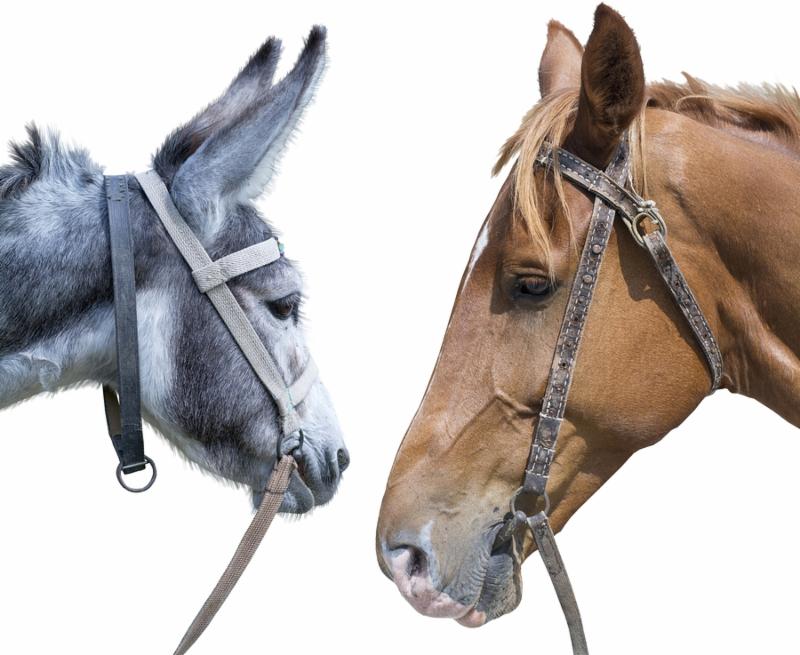
A mule is produced when we breed a male donkey (or jack, hence the word jack-ass) to a female horse (mare). A donkey is produced when we breed a male horse (stallion) to a female donkey. So, what's a horse? A horse when bred to another horse is simply amazing!
The donkey says, "Hey, don't go calling me a jack-ass, my daddy was a stallion, too, ya know!" To which the horse replies, "Yeah, but thanks to your mama, you're still stubborn!"
Alright, for those of you who are crusty old veterans of my "not for squeamish and faint-hearted souls" horse ministry, and didn't give in to the temptation to hit the unsubscribe button just 'cause I said the word "jack-ass" (a totally legitimate term for a male donkey) - let's tighten our cinches and get down to it. And we'll start by taking a look at David's conversation with God in Psalm 32: 1 - 9, NIV (see scripture at top of newsletter).
Beginning with verse 1 through verse 7, we hear David speaking from his heart. No doubt, God not only listened to every word that David spoke, but He held his response until the end. More on that later. In the aforementioned verses, David is speaking to God about a very serious subject. He is speaking to God about transgressions and sin - first generally speaking, and then specifically about his own. He opens his conversation with God with the following statement, "Blessed is the one whose transgressions are forgiven, whose sins are covered." So, why does David start the conversation by stating this to God? I believe David wanted God to know that in spite of his own stubbornness to come to God and repent in a timely fashion, nevertheless, he understood the seriousness of his own sin.
When we are stubborn and do the wrong thing in spite of the fact that we know the right thing to do, we not only heap guilt and conviction upon ourselves, but we create a dangerous and unnecessary problem when we are not repentant and forthcoming with God. Perhaps one of the most revealing details of David's conversation with God is found in verse 3 where David confesses the real and tangible effects he felt as a result of his stubbornness and unconfessed sin. David said that when he kept silent (this most likely pertains directly to his transgression or unconfessed sin), he felt as though his bones were wasting away. Make no mistake about it, nothing speeds up the aging process like unconfessed sin!
Here's something to think about. The definition of the word "unconfessed" is unacknowledged. We can't repent over that which we will not acknowledge! You might want to read that last sentence again and soak on it. Even though David would not acknowledge his sin initially, God was not in the dark. Confessing our sins to God is not for His benefit - it is for our benefit. When we come to God in repentance and confess our sins, we not only receive forgiveness, but we receive protection and deliverance (verse 7), as well as guidance, instruction and counsel (verse 8). So, this begs the question, "Why would anyone deny themselves the benefits of God's protection, deliverance, guidance, instruction, and counsel?" Don't make much sense, does it? Only someone stubborn as a mule and with no understanding would forfeit the benefits that we gain when we come to God with true repentance. Remember that word, "benefits". I'll bring it up again later.
GOD IS OUR HIDING PLACE
(our safe place; our refuge)
"You are my hiding place; you will protect me from trouble and surround me with songs of deliverance."
(Psalm 32: 7)
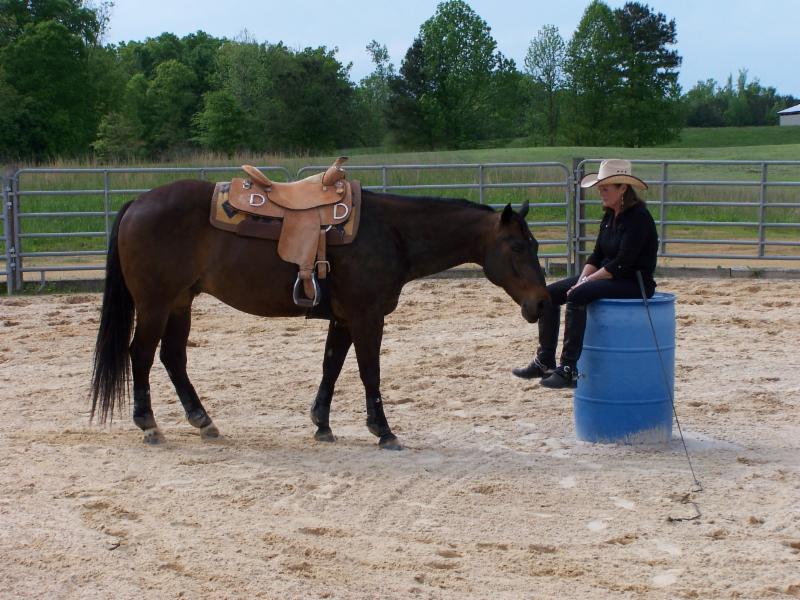
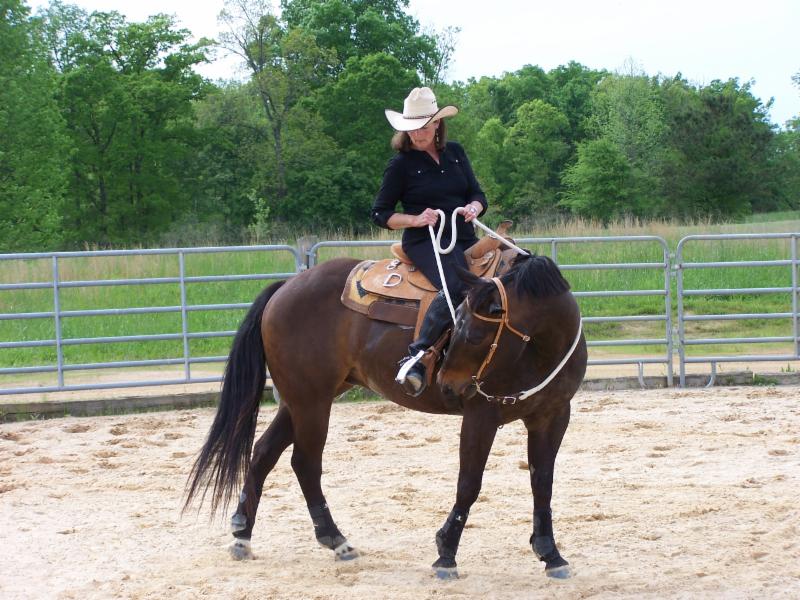
One of my favorite things to do with my horse, Samson, is play with him at liberty. Horses (prey animals) are not like humans or dogs (predators) who will come to you on command. A horse has to view you as his "safe place or refuge" in order to come to you, and all the more so when he is at liberty and could choose another option.
I love playing with my horse at liberty. When there are no bridles, bits, reins, or spurs to coerce him into do the right thing, it becomes a true litmus test of the communication (or lack thereof) that exists between us. Is my horse perfect at liberty? In other words, when he is free to do as he pleases, does he always do the right thing by coming to me? The answer is no. But every time my horse does the right thing by coming to me, I am quick to reward him by giving him rest. My goal is to always teach my horse that I am his refuge from trouble. But he must make the decision to come to me. With that in mind, let's take a look at verses 8 and 9. Up until this point, David has taken his liberty and done all the talking. Now it is God's turn.
In verse 8, the first thing that God does is proof of His amazing grace towards us. Instead of scolding or reprimanding David for being stubborn and not coming forth sooner, instead, God reminds David of His benefit package as a child of God! He starts by telling David that He (God) is the teacher, and the One that controls the direction of his (David's) life. In spite of the fact that David did not come to God in a timely manner concerning his transgression or sin, God let David know that He (God) was still in control. God goes on to tell David that He will counsel him with His loving eye. In other words, God is telling David that there is no place that he can hide from God, and no excuse for not doing the right thing. Why? God is his counselor and has given him understanding! And finally, God zeros in and hits the old proverbial nail right on the head...
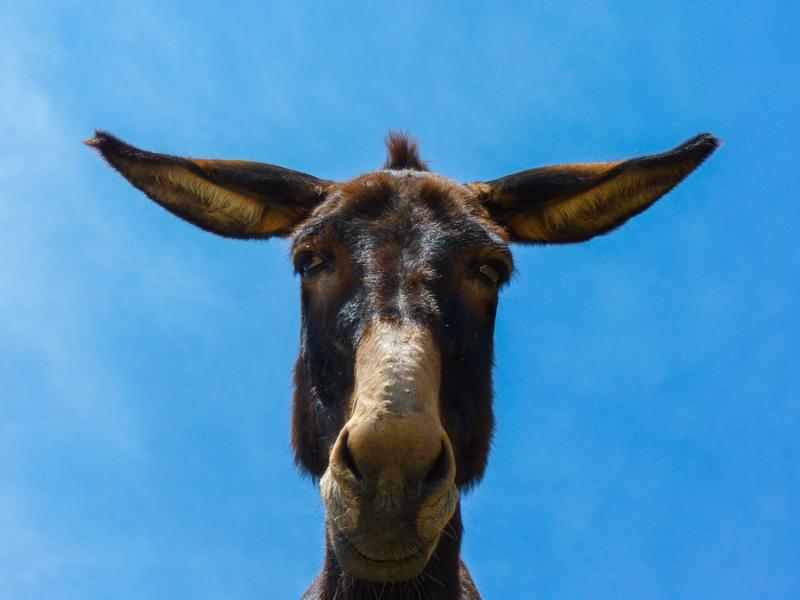
God lovingly chastises David about making the same mistake in the future by using the imagery of a horse or mule to paint a picture (or visual) for him that he could really wrap his head around. As a King, David was very familiar with horses and mules, as well as their nature. David knew that mules were very bright creatures, however, they could be stubborn and refuse to do what is right even when they knew the right thing to do. David also knew that horses had the intelligence to learn, but not the understanding to necessarily make the right choice or decision without the help or coercion of bits, bridles, spurs, or other pressure devices that help them make the right choice.
So, let's break it down. God is telling David that, unlike a mule or horse, he (meaning David) is a man created in the image of God, and he has been given understanding of what is right and what is wrong. Along with understanding comes responsibility. It is our responsibility to keep short accounts with God. What do I mean by short accounts? I mean that if you have a transgression or sin - repent now. In other words, do it sooner rather than later, and don't let your transgressions or sins stack up! That's right, keep short accounts! Finally, a good take-away from all this is that being stubborn like a mule is not a personality trait that pleases God. So, what does it take to please God? We please God when we come to Him with a repentant heart - knowing the right thing to do, and then doing it. But perhaps we please God the most when we come to Him at liberty - with no coercion - with no pressure. We simply come. And when we come to Him, we always find our safe place and our refuge.
|