|
And no, it's not just because when you're asleep you can't eat!
Good quality sleep is essential for both your body and your mind. In the 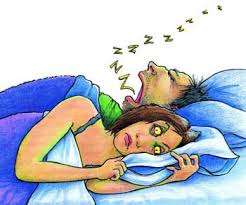 Sleep Council's 2013 Great British Bedtime survey, only 30 per cent of men and 22 per cent of women said they sleep very well. Almost half (47 per cent) said that stress and worry keep them awake at night. The majority also report getting five to six hours of sleep a night, with only 22% having the recommended seven to eight hours. Sleep Council's 2013 Great British Bedtime survey, only 30 per cent of men and 22 per cent of women said they sleep very well. Almost half (47 per cent) said that stress and worry keep them awake at night. The majority also report getting five to six hours of sleep a night, with only 22% having the recommended seven to eight hours.
Not only does a lack of sleep make you more prone to stress, but research shows that you're more than twice as likely to feel anxious and depressed.
So, how does all this link to weight? Because the number one reason women overeat is for comfort (it's the number two reason for men - their number one is boredom!). Over time we condition ourselves to reaching for food when we feel stressed or anxious or depressed, and the food we reach for at these times is highly unlikely to be nutritious, healthy balanced food. No, it's far more likely to be processed snacks high in saturated fat (the bad fat), salt and sugar.
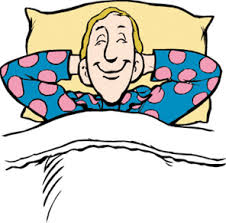 So what can we do to sleep more soundly? Sleep experts recommend the following: So what can we do to sleep more soundly? Sleep experts recommend the following:
- Reduce levels of stress before you go to bed.
- Create a regular, relaxing bedtime routine such as soaking in a hot bath with a handful of magnesium salts or listening to soothing music
- Avoid watching thrillers or crime dramas or reading work documents before bed.
- Use calming essential oils such as lavender to aid relaxation.
- In terms of the bedroom, keep it quiet and dark and don't have any gadgets, phones, TV or anything that emits a light, even a standby light.
- Sleep in comfortable clothing.
- Don't have a big meal before bed.
- Avoid caffeine and alcohol.
- Don't exercise within three hours of bedtime.
- Don't have naps during the day
- Go to bed when sleepy, but, get up within 20 minutes if you haven't fallen asleep, and do something relaxing until you feel drowsy and then try again.
- Keep artificial light to a minimum in the bedroom because being exposed to bright light can turn off production of the sleep hormone melatonin, which peaks at around 1am.
- If you need to get up in the night, only use low wattage bulbs.
- If you feel very stressed and fatigued but find your exhaustion lifts around 10 or 11pm in the evening, as you get a second wind, don't be tempted to start doing all those chores you felt too tired to do earlier in the evening. The extra energy is usually the result of a burst of cortisol, as your body struggles to function and regulate energy to keep you going in what it perceives is an emergency situation.
So you see there is so much more to losing weight than just eating less. If you are really ready for a change to the way you view food, as well as losing weight quickly in a safe, medically approved way using meal replacements then give me a call on 01509 234433 or email me at debbie.ford@lighterlifecounsellor.com or text on 07860 017700 (text only, this is not a mobile phone no.) and I'd be delighted to meet you and tell you more about the Programmes we offer in a relaxed environment with absolutely no "hard sell" involved.
I look forward to meeting you.
Best wishes,
Debbie Ford
LighterLife Counsellor for Loughborough
By confirming your subscription you're granting LighterLife permission to email you. You can revoke permission to mail to your email address at any time using the Safe Unsubscribe link found at the bottom of every email.
|