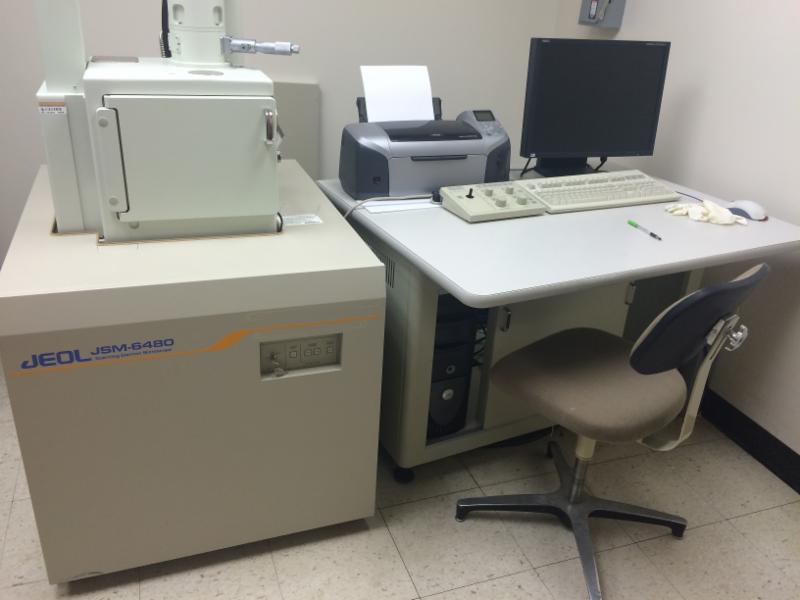
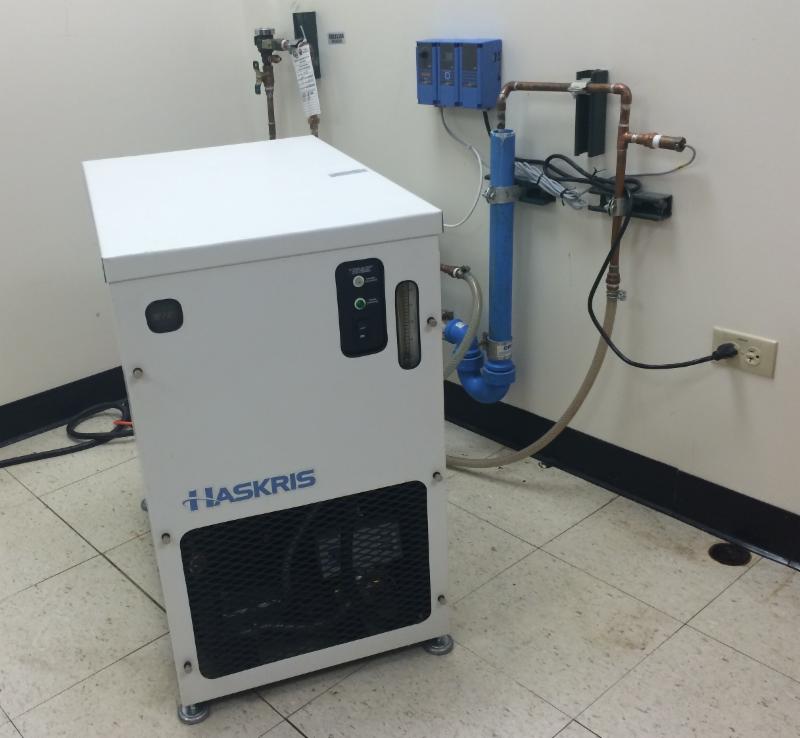
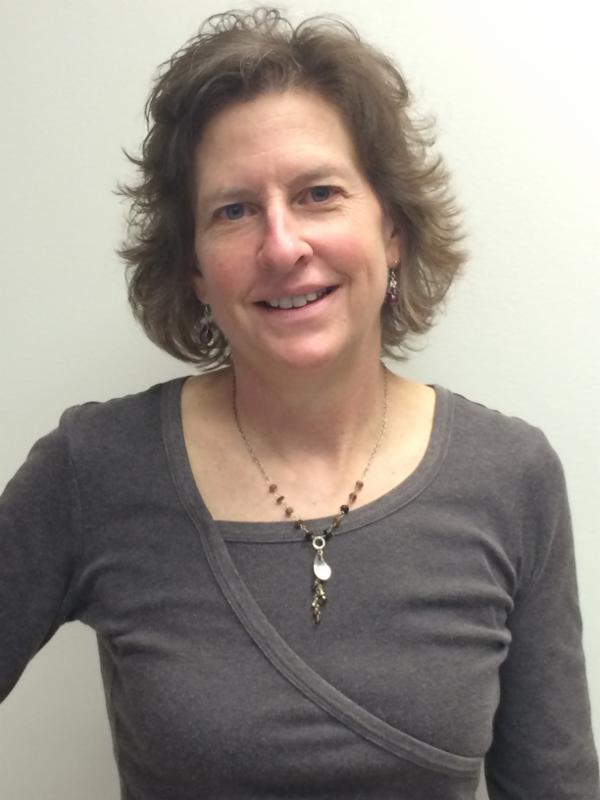
Janet Fox is a Professional Research Assistant in Molecular, Cellular and Developmental Biology (MCDB). Fox, a cell biologist, manages the Winey Lab and supervises its Undergraduate Research Assistants.
Green Labs: How did you become involved with the Green Labs Program?
Janet Fox: Kathy Ramirez-Aguilar was visiting different labs and she came by and introduced herself. She explained that she was starting the Green Labs Program and I was pretty excited about it, so I volunteered to be the lab liaison for the Winey Lab.
GL: What actions have you implemented within MCDB to promote conservation?
JF: Part of it is just raising awareness. There is a culture in labs where things have been done a certain way for so long that no one ever questions it or reevaluates it, it just happens. So when Kathy talked about putting timers on certain equipment I thought 'Oh, that's a great idea' because, otherwise, stuff just stays on all night unnecessarily. This was one simple way to save energy, without impacting our lab.
Also, this program gave us an opportunity to take a good look at equipment usage in the lab. Do we really need all that fridge space? Can we consolidate? Can we clean out things that aren't used any more? Can we turn a fridge off?
We were able to turn off a fridge by throwing out old items and consolidating other things to save space.
Some members of Green Labs came by and metered our lab equipment, demonstrating that some of the equipment in the lab was very energy inefficient. We were unaware of how much energy the heating/cooling incubators consumed. With the help of Green Labs we replaced two of them with a larger, very energy efficient heating only incubator.
Some things we've done, that are also cost effective things, are to reuse glass test tubes, reuse plastic, conical tubes for non-sterile applications, and to sterilize and reuse plastic plates with wells.
GL: What sort of efforts would you like to see the Winey Lab or MCDB as a department take on in the future?
JF: We create a lot of plastic waste in the form of single use pipet tips, tissue culture plastic ware, and other non-reusable plastics. It would be great to be able to recycle those materials.
GL: What do you believe would be a good starting point for labs interested in creating a more environmentally friendly lab?
JF: Part of it is just making yourself aware. At least on this campus, Kathy is a great resource, a great source of knowledge and is just always so positive. She has an 'everything is possible' kind of attitude, which is so great. Start with things that are low-impact in terms of the day-to-day activities of the lab, like putting timers on equipment and raising the temperature on the ultra low temperature (ULT) freezers.