|
|
|
THE MONTHLY CAUCUS


|
The Episcopal Women's Caucus: Advocating for women since 1971,
theologically, spiritually and politically.
|
 Message from the Convener
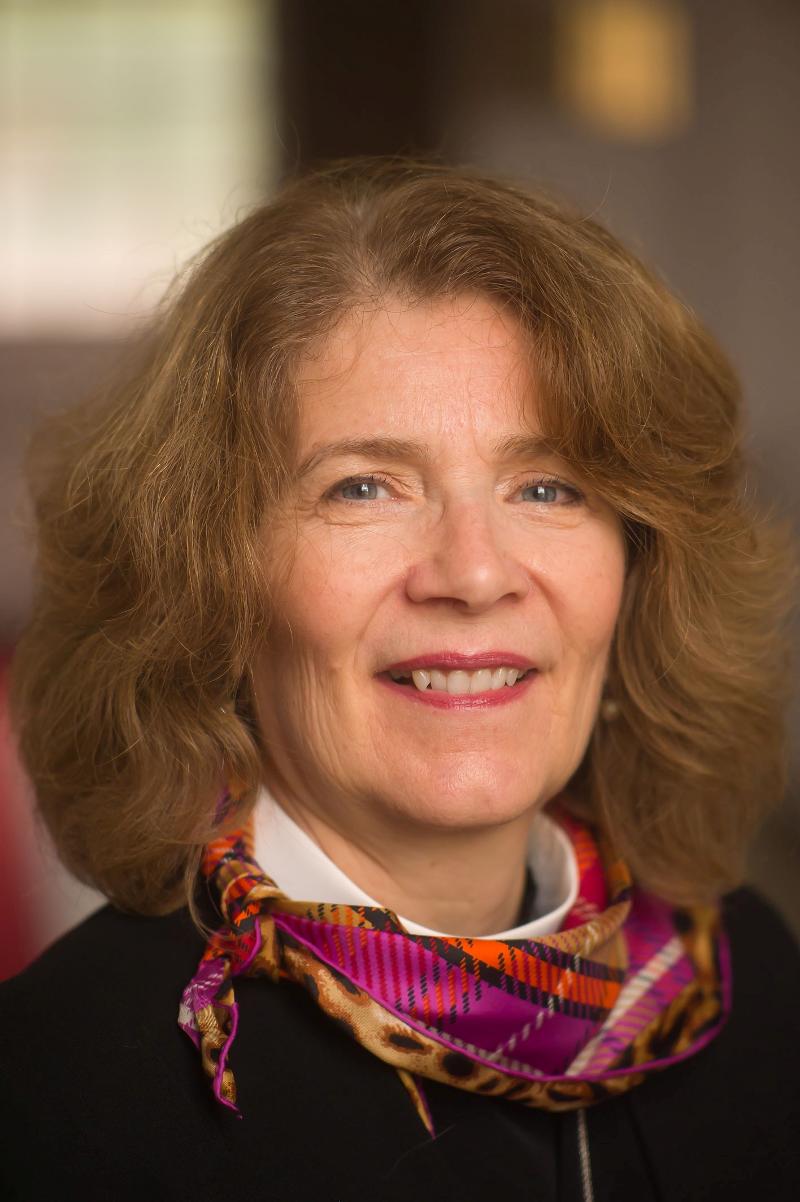
Twenty years ago this September I started seminary, acknowledging, to my great surprise, that God was calling me to serve the church in a particular way. Even then I had no illusions that this path would be easy. In my home parish I had observed a search committee process that declined to call a woman as Rector because "she didn't have enough experience,"even though the male priest they eventually called had even less experience. Women clergy in that diocese at that time struggled mightily to find positions as assistants or Rectors. By the time I had finished seminary a number of women were on church staffs as assistant Rectors. I myself served in that diocese as a Curate in one church and then as a Rector of a small church. No doubt the role of women clergy in the church was slowly changing.
In my time as a priest in the Episcopal Church I have been entered into several search processes and ended up as the first female Rector at three different churches. Still, despite the changing reality, my initial expectation that the journey would be hard has proven accurate. It's very difficult to be a woman priest in the Episcopal Church. It's difficult to be a woman cleric in any denomination. Comments like "lacking enough experience"reveal the subtle and unrecognized bias for male priests that women face. Often the bias is far less subtle, particularly for women who have entered into the search process for Diocesan Bishop. Sexism is alive and well.
Sadly, because women are included as candidates in search processes, often becoming finalists for Rector, Dean, or Bishop, we fail to see the ways that sexism plays out in the call process and in the church. We point to the number of women serving in the parish or serving in the church as if numbers suggest that sexism is over. We fail to recognize that women have to search harder and longer to get that call. We fail to recognize that when a call does come a woman is paid less than a male priest would have been paid for that same position. (Ed. note: And this will impact a woman's pension when she retires).We fail to recognize that once called women face a long journey of overcoming sexism and misogynistic attitudes in the parish and diocese. People will say things to a woman priest that they would never say to a male priest, and a woman priest is supposed to take it in stride, modeling good leadership in response. It takes tremendous self-awareness and leadership skills for women to navigate the terrain of church leadership and remain healthy and effective. Because of this, women clergy work harder than anyone else. Not only do we work to help congregations grow and develop their missions and ministries and spirituality, but at the same time we are working to grow our strengths so that we can remain effective and healthy. No doubt male clergy have to do this kind of work too, but it is no where near as intense as it is for women. The struggles for clergy of color and LGBT clergy is even greater. However, the more effective we are in gaining equality for women, the more effective we will be in enabling equality for all people. Historically, equality begins with women. The further women move from being possessions into having full autonomy the more society is able to recognize other minority groups and empower their autonomy as well.
The Episcopal Women's Caucus (EWC) has long worked for and promoted the ordination of women. We were on the leading edge of this movement in the 1970's, caucusing in dioceses and at General Convention to pass the resolution that allowed for women's ordination to all orders, deacon, priest, and bishop. The EWC continues this cause, working to support women in ordained positions and advocating for the full inclusion of all people into holy orders. In this issue of the Monthly Caucus we invite you to hear the stories of women as we redouble our efforts to support women in their search processes and ministries.
|
THE BREAD OF LIFE by Becca Stevens
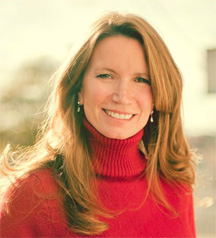
In the afterglow of the general convention as Thistle Farms celebrated our biggest sales for an event, the Gospel readings for four weeks straight described the bread of life and the body of Christ. I decided to make bread for people and pray over the bread as I made 40 loaves. I could picture myself kneading prayer and lifting up social injustices, people who were sick, and members of the Thistle Farms community who had relapsed to the streets or jail. It was a peaceful image and it made sense to bake this bread on the 18th anniversary of both the opening of the first Thistle Farms community and my mother's death. So I got up early and went to the chapel where I serve feeling generous and tender. I made the dough and then got a call that devastated me from a dear friend in a critical situation. I left it all immediately and went downtown to help. I didn't make it back for four hours and the bread looked so sad slumping over the edge of the pot with a thin crust over the dough.
So I took it out and began to knead it and cry. I cried thinking about my mom baking bread and how I will never be as good a mom, because my friend is in big trouble, because Thistle Farms has reached almost 2 million in annual sales and it's time to have a more experienced CEO, and because I had forgot to add salt.
This bread broken is for us. It is salty and hard and when we are gifted with seeing it through a teary vision it becomes manna from heaven.
This bread that is broken is solace and renewal. It offers us a place to grieve and hope all together. I am so grateful for the joy of the convention and the success of Thistle Farms and all the women survivor leaders.
But I am also grateful for the journey that I walk that carries me in the early morning to a quiet chapel to learn again what it means to celebrate the bread of life. I can live and die on this bread.
The Rev. Becca Stevens is the founder of Thistle Farms LEARN MORE
| |
|
|
 NOTE TO READERS FROM NOTE TO READERS FROM
MONTHLY CAUCUS EDITOR
If you have information about positions that are open - or want to share an experience you've had - or want to let us know about a new position to which you've been called - please do write in and let us know. We want to be a resource and we want to continue to be an advocate for all who are seeking their way in the Episcopal Church.
You can email your news to me revgigiconner@gmail.com
|
The EWC Board
Convener:Terri Pilarski
Members: L. Zoe Cole, Margo McMahon, and Babs Meairs
Monthly Caucus Editor: Gigi Conner
Past Convener:Elizabeth Kaeton
Staff: Business Manager:Chris Mackey
Publications Editor:Karen D. Bota
New Board Members to be announced in the next issue.
|
The Latest RUACHQuick Lin
|
|
Link to what you can find at the new Women's Caucus online store
|
|
CAST WIDE THE NET RESOURCES FOR WOMEN
from
THE EPISCOPAL CHURCH WEBSITE
|
|
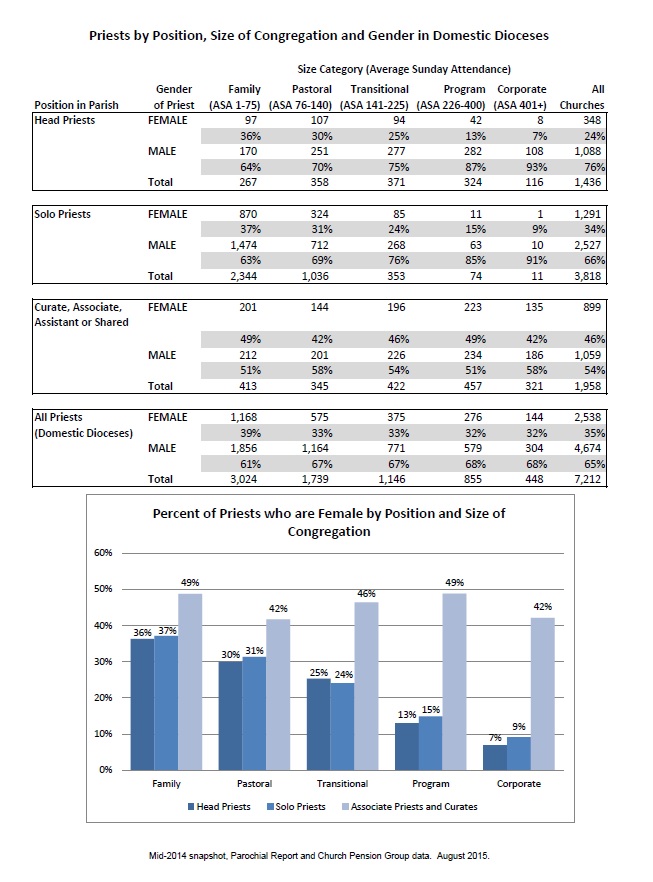
PRIESTS BY POSITION, SIZE OF CONGREGATION AND GENDER IN DOMESTIC DIOCESES 2014
|
|
|
 |
 Consulting a Consultant
By JUDY STARK As a consultant to bishop elections and to parish searches, I probably spend more time than most people reading resumes, looking at Office for Transition Ministry portfolios and listening to sermon podcasts. I know how to have a good time. Based on all that reading and listening, let me share with you some of the things I look for when I'm seeking candidates ... the bright spots and the turn-offs ... the ways I've seen candidates undersell themselves or present themselves well.
Judy Stark has consulted on 10 episcopal searches and also works with congregations to find new clergy leaders. She was a member of the A143 task force that created the online resource Cast Wide the Net. She is a member of the Board for Transition Ministry. She lives in St. Petersburg, FL (Diocese of Southwest Florida). E-mail her at judystark.tm@gmail.com
|
Best Foot Forward in a Polished Shoe: How Women Can  Best Represent Themselves as Rising Leaders Best Represent Themselves as Rising Leaders
By The Rev. Canon Janet Waggoner
When I was a seminarian, one of my beloved mentors told me the story of her first Sunday as an ordained minister serving in a congregation: she had carefully prepared her sermon, she made sure her vestments were pressed. Throughout the service, she was poised and led well. At the end of the service, someone whom she greeted at the end of the service had only one comment: her pumps could have used a little more polish. Decades later, she chuckled as she told this story - but she told the story to the women she was training for a reason: she wanted us to know how carefully we would be evaluated, from the cut of our hair to the tips of our shoes. To read entire article click here
Janet Waggoner is Canon to the Ordinary in the Episcopal Diocese of Fort Worth and a PhD student in Pastoral Theology at Brite Divinity School. Her delight in God's good work has taken her from the Oregon to Connecticut to Texas and around the world, helping to build a church in Ecuador and a school in Kenya. She is inspired and sustained by her husband, Ed, a professor of theology at Brite Divinity School and her children, Wynne and Ben.
|
Three Ways to Lean In to Discernment Processes 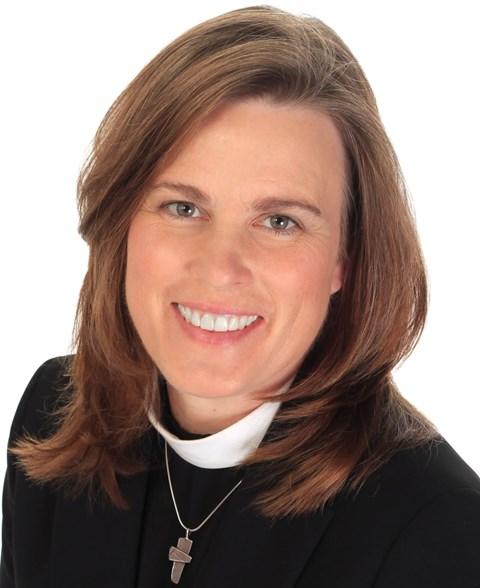
by The Rev. Canon Andrea McMillin
This summer at the 78th General Convention in Salt Lake City, many of us gathered to discuss how we can prepare and encourage more women to lead larger congregations and to serve in the House of Bishops. Those conversations reflected an increasing common desire to see greater gender balance in the House of Bishops and in all levels of church leadership.
What kind of gender and cultural bias is blocking the church from achieving gender equality in our discernment? What kind of training and awareness are needed for our vestries and electing conventions to remove cultural and gender bias from our prayerful discernment? As we have more conversations about church leadership and particularly about the role of gender in our call processes, it is very clear that there are biases that shape our discernment.
| |
The Rev. Canon Andrea McMillin is Canon to the Ordinary in the Episcopal Diocese of Northern California. She is on the staff of the diocesan College for Congregational Development and a member of the Congregation Consultant's Network. Andrea and her husband, Scott Stockburger, M.D., have been married for 21 years and have two daughters, Sophia (age 16) and Clara (age 11).
|
|
Use this form to join the EWC, renew your membership, or make a donation. Make check out to EWC and mail to: Episcopal Women's Caucus, 1103 Magnolia St., South Pasadena, CA 91030
attn: Chris Mackey-Mason, Please indicate if this a:
___new application
___renewal
___donation to the EWC
Amount: $________
For new and renewing members, please select the appropriate membership level below.
| | |
|
NEW POSITION
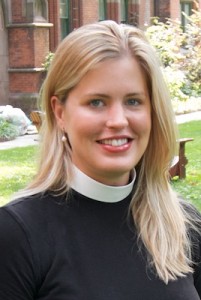
The General Theological Seminary has appointed the Rev. Emily Wachner as the Director of Integrative Programs. In this newly created position, Wachner will oversee and administer Clinical Pastoral Education (CPE), Field Education, and The Wisdom Year, while creating additional integrated formational opportunities for students.
As the Director of Integrative Programs, Wachner will provide a consistent presence throughout a student's seminary education, bridging classroom education with practical experience. She will assist in the nurturing and selection of CPE sites and assist students in the application process during their junior year. She will also develop and cultivate relationships with Field Education sites and help match students in their second year.
|
|
|
|
|
|
|
|
|
|
|
|