 | |
Click here for Events
|
|
Join Our List
 |
|
Video on Cancer Facts : How Does Lung Cancer Develop?
|
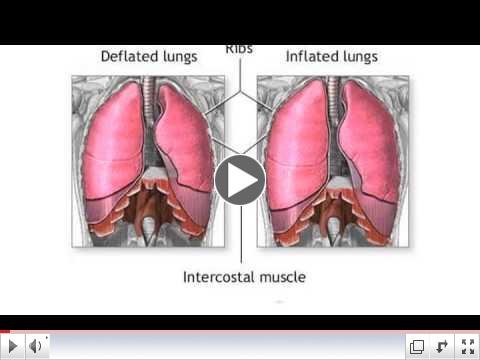 | |
Cancer Facts : How Does Lung Cancer Develop?
|
| |
Lung cancer develops when smoking, air pollutants and free radical formation damages sensitive lung tissue, causing the cellular DNA to restructure and malfunction. Avoid lung cancer by quitting smoking with information from a doctor in this free video on cancer.
|
Cancer Pulmon Vídeo  | | cancer pulmon |
Vídeo de los efectos del tabaco
| |
|
Lo Que Usted Necesita Saber Sobre
| |
|
|
Video
about Epilepsy
|
 | |
Video about Epilepsy
|
|
|
Epilepsia 1
|
Video de la clinica de epilepsia y sueño
|
|
Diabetes Overview
|
 | | Diabetes Overview |
|
|
Tipo 2 Diabetes
|
| |
Tipo 2 Diabetes en Español
|
Este video es la educación del paciente para los pacientes con diabetes tipo 2. Se incluyen las siguientes secciones: diabetes, causas, signos y síntomas, opciones de tratamiento, el control de la diabetes, la iperglucemia y la hipoglucemia, y las complicaciones.
|
| NAMI En Español | |
NAMI, la Alianza Nacional de Enfermedades Mentales (NAMI, por sus siglas en inglés), es la organización de salud mental más grande de los EEUU dedicada a mejorar las vidas de las personas con serias enfermedades mentales y las de sus familiares. Leer más
|
|
|
American Diabetes Month
| 
The vision of the American Diabetes Association is a life free of diabetes and all of its burdens. Raising awareness of this ever-growing disease is one of the main efforts behind the mission of the Association. American Diabetes Month® (ADM) is an important element in this effort, with programs designed to focus the nation's attention on the issues surrounding diabetes and the many people who are impacted by the disease.
Here are just a few of the recent statistics on diabetes:
- Nearly 26 million children and adults in the United States have diabetes.
- Another 79 million Americans have prediabetes and are at risk for developing type 2 diabetes.
- The American Diabetes Association estimates that the total national cost of diagnosed diabetes in the United States is $174 billion.
American Diabetes Month takes place each November and is a time to come together as a community to Stop Diabetes®!
|
"Now I Know" Video Contest Invites People to Share Struggles, Successes with Epilepsy
| 
LANDOVER, MD (November 1, 2012) - As Epilepsy Awareness Month kicks off, the Epilepsy Foundation today announced the launch of its first-ever video contest campaign. Themed "Now I Know," the campaign asks the epilepsy community to share their experiences with epilepsy, provide advice and educate others about the condition.
"Epilepsy can be a challenging condition without easy answers, especially when someone is first diagnosed," explains Philip M. Gattone, President and CEO of the Epilepsy Foundation and the father of a child with epilepsy. "This is an opportunity for people who have learned from their experiences of living with epilepsy to share messages of encouragement and hope. 'Now I Know' will be a fun contest for participants, but much more importantly, it will help people who are facing epilepsy for the first time get practical advice and know where to turn, especially to our affiliate network, for help and support."
People with epilepsy and their friends, family or caregivers can log on to: Facebook.com/EpilepsyFoundationOfAmerica to submit a short video that answers the question: When it comes to epilepsy, what do you know now that you wish you knew sooner? Visitors to the Epilepsy Foundation Facebook page will have the opportunity to vote for their favorites and share the videos through their social networks. The videos with the most votes within four geographic regions at the end of the contest will win one of four iPads, among other prizes. Videos will also be featured online and at the Foundation's National Walk for Epilepsy in Washington, D.C
|
Enfermedades: Epilepsia
| |
La epilepsia es un trastorno provocado por el aumento de la actividad eléctrica de las neuronas en alguna zona del cerebro. La persona afectada puede sufrir una serie de convulsiones o movimientos corporales incontrolados de forma repetitiva. A esto se le llama "ataque epiléptico".
Para considerarepilépticoa alguien, los ataques deben repetirse con cierta frecuencia (ataques recurrentes). La epilepsia tiene su origen en unos cambios breves y repentinos del funcionamiento del cerebro; por esta razón, se trata de una afección neurológica. Dicha afección no es contagiosa ni está causada por ninguna enfermedad o retraso mental. Algunas personas con retraso mental pueden experimentar ataques epilépticos, pero tener estos ataques no implica necesariamente el desarrollo de una deficiencia mental.
|
LOS DAÑOS QUE CAUSA LA CONCENTRACIÓN ELEVADA DE AZÚCAR EN LA SANGRE
|
Cuando la diabetes está fuera de control, su nivel de azúcar en la sangre (glucosa en sangre) está demasiado alto. La diabetes tipo 2 quizá no le cause ningún malestar físico. Pero aunque no tenga síntomas, debe controlar su nivel de azúcar en la sangre debido a que un nivel elevado de azúcar en la sangre puede causar problemas graves con el tiempo. Un control adecuado del nivel de azúcar en la sangre implica reducir y mantener los niveles de azúcar en la sangre según el porcentaje recomendado por su médico. Si el nivel de azúcar en la sangre no está controlado, una cantidad excesiva de azúcar permanece en la sangre durante un período prolongado. Esto puede dañar los vasos sanguíneos y los nervios. A su vez, este daño puede causar:
Leer Más: |
From the Child Mind Institute
|
Dear friends,
The aftermath of Hurricane Sandy has been very, very tough for millions of people. At the Child Mind Institute our thoughts are with those who are struggling to make do without electricity or water, who have been forced to leave their homes, or have lost their homes to flooding or fires. We feel especially for those who have lost loved ones.
And for those of you who have young children, we know it can be especially challenging to stay calm and upbeat, to help them feel safe in these trying circumstances.
But we're also moved and proud of the resilience we see all around us here in New York: pedestrians streaming over the bridges to walk to work, men in business suits using their kids' scooters to get to the office. In areas without power, people are cooking on charcoal grills on sidewalks and in backyards, and sharing with neighbors.
All over the city people are helping each other-families opening their homes to friends and relatives who've lost theirs, banks offering water and coffee and power to people who need to recharge cell phones and check email. Strangers are sharing cabs and cars and trading stories.
This has been a tough week at the Child Mind Institute, too. It was important to us to keep our headquarters open for children and teens in crisis; we lost our phone service, but we've stayed in touch by email and cell phone, and members of our staff biked and walked miles from Brooklyn and Queens to help keep the doors open and be available to patients. As the mass transit system kicks in and things get back to normal, we look forward to reconnecting with those who haven't been able to get to us.
And for tips on how to help kids weather adversity in a healthy way, check out our story on childmind.org. Giving them a chance to voice their fears and answering their questions honestly and patiently may seem like small things, but they're very important for kids struggling to process a disturbing experience or scary disruption in their lives. Staying calm and focusing on recovery and rebuilding will help them develop resilience skills that will serve them all their lives. Finally it's important to keep an eye on kids in the weeks ahead to be alert to signs that they might not be recovering in a healthy way-changes in their patterns of sleep and eating, unusual irritability or trouble focusing, obsessive or pervasive worry, difficulty separating. We spell out more signs of trauma here.Best wishes in this difficult time and we want you to know that we're here for anyone who needs our help.
With my warmest regards,
Harold
Harold S. Koplewicz, MD
President, Child Mind Institute
|
|
| Mental Health Resources | |
A key finding of the Surgeon General's Report on Mental Health: Culture, Race and Ethnicity (2001) was that living in poverty has measurable effects on the rates of mental illness. Racial and ethnic minorities are overrepresented among the poor. People in the lowest socioeconomic positions are at least 2-3 times more likely than those in the highest positions to experience a mental disorder, and the overall rate of poverty among most racial and ethnic minority groups in the U.S. is much higher, than that of non-Hispanic whites. Racism and discrimination are highly stressful and can adversely affect health and mental health. Learn more: Mental Health 101 and Mental Health Data and Statistics from the Office of Minority Health.
|
|
NDSS en Español
|
El objetivo del NDSS es de ofrecer el recurso pr imero en el web con respecto al síndrome de Down, proporcionando a las familias, los individuos con el síndrome de Down, profesionales de asistencia médica, profesionales educativos y el gran público con un solo recurso completo, hasta la fecha, accesible de información y recursos sobre el síndrome de Down. Mientras tanto, NDSS todavía esta comprometido a servir miembros de la comunidad del síndrome de Down en español. Leer más |
|
|



