This email is part of a series of regular updates about The Civil War and American Art. In the post below, exhibition curator Eleanor Harvey discusses Eastman Johnson's work, The Lord is My Shepherd.
I also want to draw your attention to a special program we have this Saturday with author James H. Johnston.
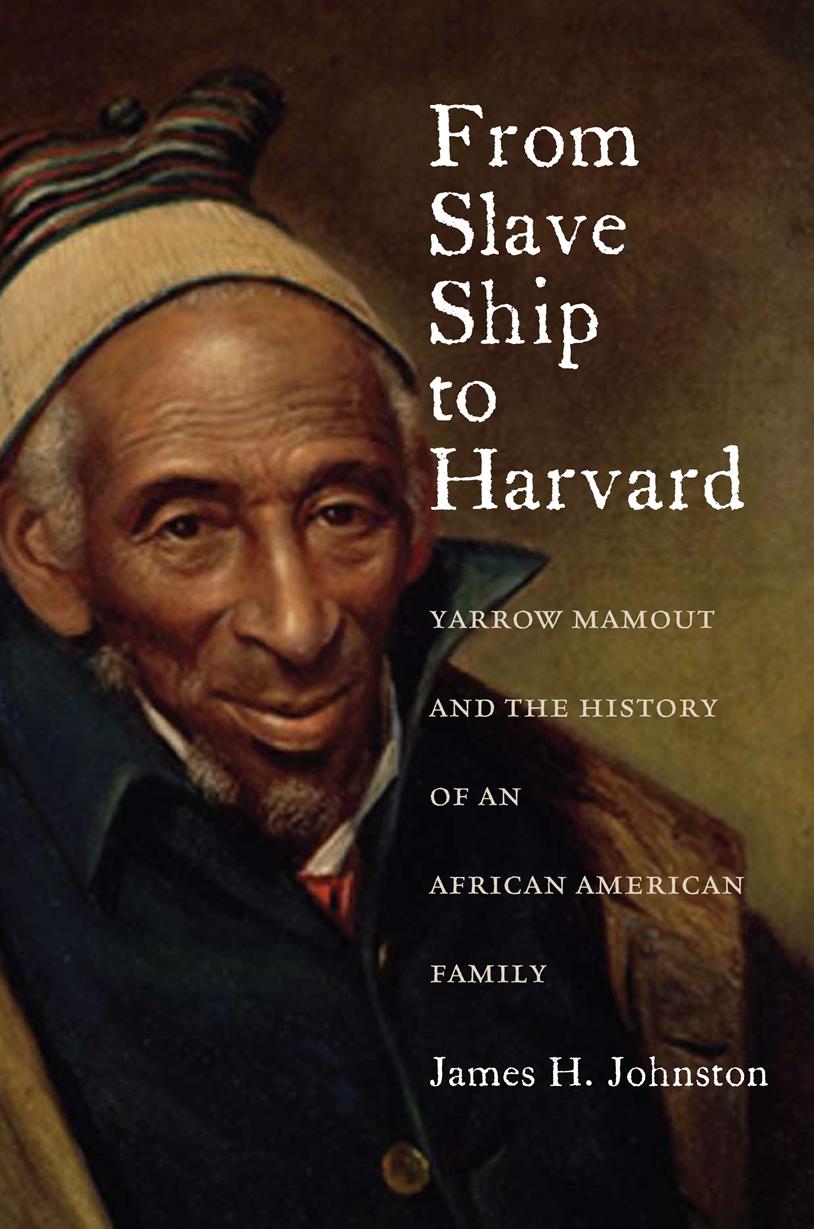 From Slave Ship to Harvard: Yarrow Mamout and the History of an African American Family
Saturday, February 2, 2013, 3 - 4pm James H. Johnston discusses the true story of an educated, enslaved, African Muslim, whose portrait was painted by Charles Willson Peale. Johnston traces Yarrow's life and descendants from colonial America through the Civil War to today. See our online calendar for more information. Enjoy! |
The Civil War and American Art
"The Alphabet is an Abolitionist"
 Not long after Lincoln's Emancipation Proclamation went into effect on the first day of 1863, artist Eastman Johnson composed the small painting shown here. Entitled The Lord Is My Shepherd, it portrays a young black man reading the Bible intently. He may well be a former slave, and reading scripture could signal his newfound freedom. Slaves in the South were not supposed to read or write, and there were laws against teaching them to do so. As a writer for Harper's Weekly observed, "The alphabet is an abolitionist. If you would keep a people enslaved, refuse to teach them to read." Literacy allowed former slaves to declare their independence and assert their intellect. The Bible was a natural starting point as many African Americans, whether enslaved or free, were already steeped in scripture orally. The painting's title evokes the comforting words of the Psalms. But the book on this man's lap is not open to the Psalms, which are in the middle of the Bible. Rather, he is reading from the front, where the book of Exodus offers a compelling message for those who have endured slavery: "Let my people go." Exodus runs like a river through the stories of African Americans who escaped from bondage. They drew parallels between plantation overseers and Pharaoh, and between those inspired men and women who helped slaves attain freedom-such as Sojourner Truth, Harriet Tubman, and Frederick Douglass-and Moses, who shepherded his people out of Egypt to the Promised Land. Many abolitionists heeded such biblical lessons and believed that Lincoln was fulfilling a moral imperative when he issued the Emancipation Proclamation and opposed a slave system that denied people the right affirmed in this painting: access to the liberating power of the written word.
Visit the museum's blog Eye Level to see this post and more. The Civil War and American Art is on view until April 28, 2013.
|
Photography, jazz, craft, media arts...
what's your pleasure?
to receive only the items you want! |
|
Smithsonian American Art Museum
P.O. Box 37012
Washington, D.C. 20013
|


