|
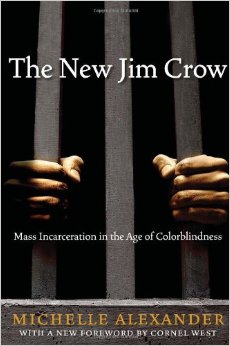
The theme of synod assembly this year is racial justice.
Justice is one of the cardinal virtues propounded by Plato (BC 428-328). The others are temperance, wisdom and courage. The word "cardinal" derives from the Latin
cardo (hinge) so that it references something that is essential to the function (of the door, or of the church, or of a virtuous life).
There are several important species of justice.
Interpersonal justice has to do with uprightness in our interactions. If you are hungry and I have a basket of apples, a just exchange between us will take the shape of my selling an apple to you at a reasonable price, and you will not try to steal the apple from me.
Rectificatory justice applies after some wrongdoing. If you have stolen the apple from me, some other person in authority over both of us will require you to return it and perhaps include some fine or penalty to impress upon you that stealing it was a bad idea.
Punitive justice has to do with more serious breaches of the social contract, in part because an infraction might not be as quantifiable as the above example. If in fact I have the apples because I hijacked a fruit truck and injured the driver, I will be fined or even jailed for disrupting the social fabric.
Distributive justice involves considerations of how the good things of creation are made available to us in such a way that no one is left behind or outside of the common wheal (that our individual dignity is sustained). In a famine, someone should construct societal mechanisms to assure that everyone has an apple.
Watch for upcoming further reflections on justice (and injustice).
| 

 In Christ One New Humanity
  Our 2016 focus is on Advocacy and Social Justice with the mission to "Inform, Engage, and Equip the Upstate New York Synod to pursue racial justice." We will look at some of the justice issues that were addressed in resolutions passed by the 2015 Synod Assembly especially those around racial justice. Our Synod Assembly Planning Team volunteers are working diligently to offer an exciting and energizing experience at our 2016 Assembly. There will be opportunities to participate in worship, synod business, to learn how your congregation can access and use racial justice tools provided by our synod's Racial Justice Task Force, attend workshops, explore the Mission Expo, and much more.