|
Reflection
As Mark tells the story, the disciples have gone off on their first "disciple's internship journey"and the Spirit's work through them is getting noticed. It's enough to get people wondering about who this Jesus is, that even others can do miraculous things in his name. It is important to note that, perhaps because of the glamor of the miracles, the people come to the wrong conclusions about Jesus. He was not John the Baptist reincarnated; he was not Elijah; nor was he any of the other prophets reappearing on the human scene. He was and is true God and perfect human in a single unique way, that God used to bring hope and salvation to the world. It won't be until later that Peter recognizes and confesses that truth about Jesus, after he is able to see more than just the powerful deeds around Jesus and perceive the authentic love and purpose within Jesus. Like last week, we are then challenged by Mark's choice to insert a recounting of the death of John the Baptist. Why this story now? Why interrupt the story of discipleship to fill us in on a piece of uncomfortable history? Perhaps this abrupt insertion is a cautionary tale to keep the reader focused on a proper understanding of what the disciples are doing. They are participating in the work of the kingdom, which is much more than putting on a good show with hearings and other dazzling miracles. Let me use a story to make the point. There were two brothers in Georgia during the 1950's. One decided that, in opposition to the dominant culture of the day, he was going to support and participate in the formation of a multi-ethnic community. The other worked as an attorney for a prominent law firm. Both were Christians and attended church regularly. As the multi-ethnic community formed and social pressure forced them into court proceedings, the one brother asked his attorney brother to help them with the legal work. The brother refused, saying that he could lose his job. The pressure increased to help with a reminder that he was a Christian. The lawyer responded, "I will follow Jesus to his cross, but it is his cross. I have no need to be crucified." To this his brother replied, "Then you are an admirer of Jesus, but not his disciple." Mark tells us that Herod was an admirer, even a protector of John the Baptist, whom he saw as a man of God. Yet, when the going got difficult, his own reputation and status became more important than John's life. He was an admirer but never became a disciple of John. So now the question comes to us, "Who is this Jesus?" Is he superman, faster than a speeding bullet? Is he Dr. Oz, with the latest in miracle cures and healthy lifestyles? Perhaps he is a great magician or a motivational speaker or teacher of the year. Any of these could fill us with wonder and draw our sincere admiration. If however, Jesus is true God and perfect human in a single unique way, that God is using to bring hope and salvation to the world, then discipleship, not admiration, is what is called for. My hands are required for his work; my voice is needed to tell his story, and my participation will further the kingdom that he brought near. | 




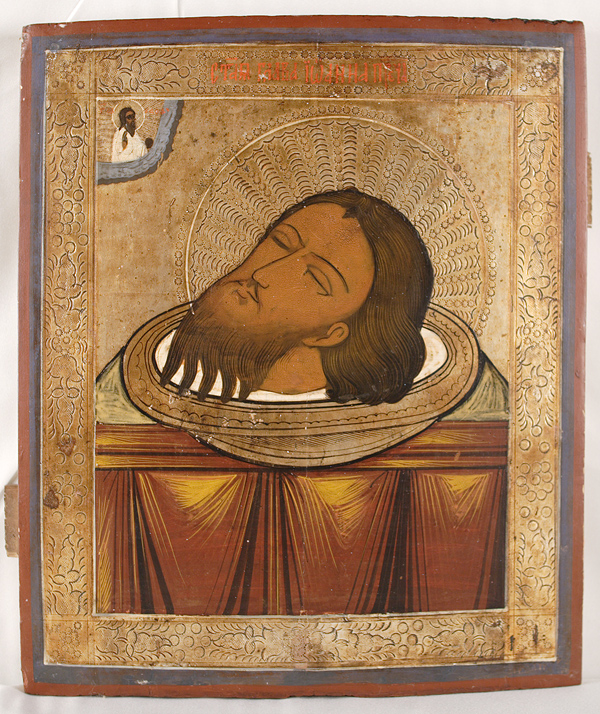 For Herod himself had sent men who arrested John, bound him, and put him in prison on account of Herodias, his brother Philip