|
...whether your aspirations are improvement of dressage basic or you're striving for Olympic gold...
|
|
|
|
 |
 |
 |
 |
 |
 |
 |
 |
 |
 |
 |
 |
 |
 |
 |
|
 |
|
|

Would you like to improve your riding skills?
You can by watching and learning from some of the world's most respected trainers and judges. Our service offers unprecedented value. If your going to learn, why wouldn't you want to learn from the best? Wouldn't you seize every opportunity you had?
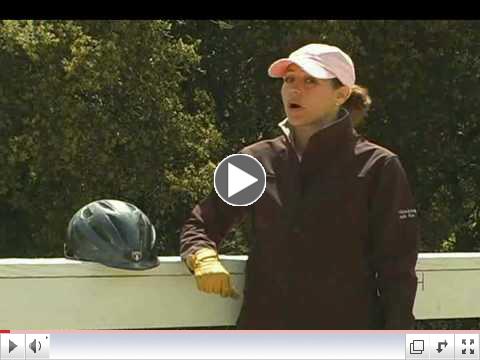 | | CLICK VIDEO TO SEE WHAT IT'S ABOUT |
- Watching other trainers train while talking you through everything they are doing or training a student is effective for improving your riding. Do it when it's convenient for you from anywhere on any device.
- You can save yourself money by not having to travel to audit clinics or symposiums, we bring them right to you.
- When you see a skill or a tip within a video you can review it again and again so you have an opportunity to truly understand it and apply it in your own riding. Use our Save Favorites Feature.
|
For those who are not yet members of DressageTrainingOnline.com,
- Nowhere else can you view training sessions broken into 15 minute segments, with text explaining exactly what is within that segment, so you can determine if you want to view that portion of the video.
- Nowhere else can you save your favorites for quick retrieval and review
- Nowhere else can you watch the Judge's View, where judges go back through a test they have judged, giving you the per movement scores and in depth explanation as to why they gave it that score.
- Nowhere else can members list their horses for sale for FREE!
- Nowhere else can you find such an international selection of respected trainers and judges to learn from, USA, GER, UK, NED, DEN, SWE, FRA, AUT, PORT, ESP, ISR, AUS, NZ, CAN
Hunker down and enjoy these videos while learning at the same time!
Connect with me via
   Happy riding, Reisa Bonetti-Sullivan
|
|
|
|
 |
 |
 |
 |
 |
 |
 |
 |
 |
 |
 |
 |
 |
 |
|
|
|
 |
|
|
|
|
|
|
|
|
|
|
|
|
|
|
|
Debbie McDonald works with a young mare with great examples of movements to use in early training to control straightness and create sensitivity to the aids. Watch this inspirational video for terrific tips to use in your own training!
with Debbie McDonald, USA |

Part 1: They warm up with a stretch in the trot, asking her to move over from the inside leg. She shows straightness with improved contact, and they use counterflexion and shoulder fore when she pops her shoulder. They use the renvers as a correction on the turn to also help with the shoulder. Debbie talks about how to solve these issues in the canter without confusing her training for the flying changes.
Part 2: As they ask for the canter, the mare becomes wiggly, so they work the shoulder fore at the walk until she is bored with it before going to the canter. They show a good example of using the counterflexion to correct the shoulder. With several walk canter walk transitions, the connection becomes even better. They ask for a simple change across the diagonal. She shows a little tightness to the right, and they use the leg yield on the circle to help.
Part 3: Debbie explains her training philosophy of when to introduce sensitivity to the aids and how she trains for that. They show great examples of introducing this mare to becoming quicker when asked for a half halt.
Part 4: They return to the trot, and when the mare is a bit hot, they use those moments to further the training. Debbie talks about the importance of the horse being able to come back to a relaxed walk in the session. Click for Free Preview or Full Version.

|
Alfredo Hernandez brings us another master class on training the piaffe and passage, this time in an older horse. He provides great insights into the method of his training and how to individualize this training for your horse. with Alfredo Hernandez, USA
|

Part 1: We join this team in the midst of a warm up at the trot. Alfredo asks for a little piaffe, and after watching this 20 year old gelding work, Alfredo discusses his theory on teaching the piaffe and passage and the role of the transitions. They go to the rail and ask for the piaffe out of the walk.
Part 2: Alfredo works with this pair from the ground on developing the passage while asking the rider to lower the neck. They achieve better expression with regularity with this calm and quiet work. Part 3: With the rider providing the push, they return to working the passage along the rail. They discuss how much they can ask of the gelding with good results, and end the session on a positive note.
Click for Free Preview or Full Version.
|
|
Association & Federation Partners
We are pleased to offer USDF members a 25% discount off of your monthly or entire term membership price, thanx to the partnership your association has with the leading online education provider, DressageTrainingOnline.com. Please enter your association member ID number along with coupon code 95122013 Realize your savings immediately! For questions please call 877.510.1311 USA or 001 510 499 5565 for outside of USA.
|
|
To inquire about becoming an association member and receiving deep discounts, contact customerservice@DressageTrainingOnline.com
|
|
|
New! Complete List of videos found on DressageTrainingOnline.comIn case you've ever wondered about the videos to be found on DTO, we now have a complete list, updated monthly. |
|
|
|
|
|
|
|
|
|
|
|
|
|
|
|
|
|
|
|
|
|
|
|
|