|
Strategies To Buy The Perfect Vacation Home
By Marjorie A. Cohen
As one financial website puts it: Summer is "a time to relax, kick back and make dumb financial decisions." Buying that home may not be such a dumb decision after all, but it needs to be one that is made with your head and not your heart - and only after consulting financial, legal and real estate experts. 
Buying vacation homes is a rising trend that the National Association of Realtors (NAR) has been tracking since 2003. NAR's 2015 survey reports that the purchase of vacation homes soared to a record high in 2014, with an estimated 1.13 million vacation home sales. The typical buyer had a median household income of $94,380 and bought a property a median distance of 200 miles from their primary residence. Lawrence Yun, NAR chief economist, calls it "astonishing growth" that nearly doubled the combined total of vacation home sales of the previous two years.
So what's behind the surge? Yun attributes it to the fact that "affluent households have greatly benefited from strong growth in the stock market in recent years" and there has been "long-term growth in the numbers of baby boomers moving closer to retirement and buying second homes to convert into their primary home in a few years." This article refers to purchases primarily for the buyer's or his/her family's personal use, not purchases made principally as an investment.
When it comes to the vacation home decision take your time. You don't have to buy the first property you fall in love with...just like dating, there will be another to choose from that in the long run may be a better choice." And, before you say "I do," ask yourself these six questions:
Can we afford it?
This is probably the most important question of all. For the answer to this, disengage heart, engage brain (and the brains of your trusted financial advisors). Calculate what the costs of owning a vacation home will be, including mortgage payments, property taxes, insurance, utilities, association memberships, landscaping, an alarm system, cost of someone to watch over the property while you're away and "slush fund" for the inevitable emergencies.
A calculation that may help answer the "is it worth it?" question: Estimate the number of weeks you will be spending in your second home each year and multiply that times the weekly rental rate at a favorite vacation spot. Is the rental more or less than you would spend on the second home? Andrew Novick, a Pennsylvania-based financial planner, says: "A good rule of thumb is to keep housing costs - for one or two homes - below one third of your income."
Should we buy it with family or friends?
Co-ownership is one route to making the purchase of a vacation home financially feasible, but as broker Lee Williams cautions: "Get all the terms in writing. Nothing will strain or ruin a friendship faster than not having had a full discussion of potential issues before the deal is done. If you're buying with another family, will both of you be using it at the same time? What are the guest policies? What happens if one family uses the home more often than the other?" And what happens if one family gets tired of it and wants to sell?
How will we use the home?
Are you really going to use this second home enough to make it worth the purchase? Tyler Gray, a financial advisor in Oklahoma, asked one client who wanted to buy a vacation home whether he could see himself vacationing in the same place for the next 15 to 20-plus years. "He answered, 'No, of course not!' We sat in silence for 10 or 15 seconds before the lightbulb went off in his head....for him it was a much better plan to simply rent a vacation home so he wouldn't feel tied down to one place."
If you do plan to rent out your home to offset the costs, be realistic about the income you'll be able to generate, and be sure to check all of the building documents and association bylaws (if you're in a resort community) and familiarize yourself with local laws that impact renting.
Where should my vacation home be located?
If you are like most vacation-home buyers, you want to buy in a place that is totally unlike where you live full-time. Rheinberger says that 9 times out of 10 people want a climate, scenery, just about everything to be different from their primary residence. Forty percent of all vacation home purchases are in a beach area.

To see the most popular destinations for online searches for vacation homes, check out Trulia's interactive site. Click on a city, and you will see the top five most popular vacation destinations in that area. If renting out your home is part of your plan, you'll want to buy in an area that attracts tourists. Check out Airbnb, HomeAway, VRBO, LoveHomeSwap, VRBO and Flipkey to find out the favorites on these sites.
To be sure you really like a location, rent before you buy. Novick recommends to his clients that they do this for a year. As he points out, "it can be an expensive mistake if the perfect vacation house turns out to be in the next town over." Spend time in your prospective vacation home during all four seasons. "What is serene in the spring can be noisy and chaotic in the summer," cautions realtor Melanie Siben. Also, look at the transportation possibilities. "How will you get there? If the drive is more than two or three hours you won't want to go every weekend; How will your guests get there? Do you want to get away from it all or be with others who share your interests?
If you have young children,
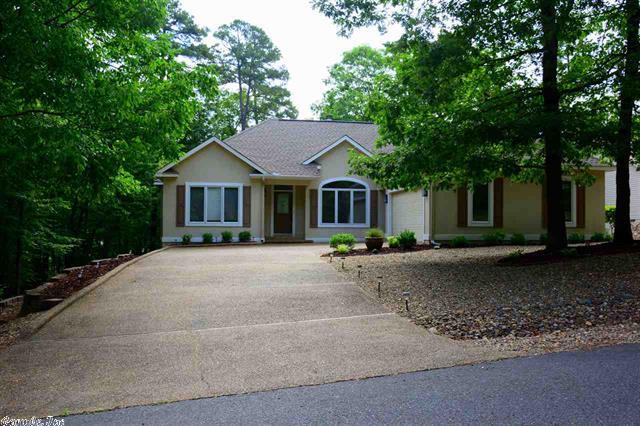
 be sure that there is enough entertainment for them as well. Contact the local school district, recreation department, religious institutions to get a feel for what is available for kids; talk to parents in the local grocery store and at the playground. What kind of house will it be? The majority of vacation-home buyers purchase a single family home; 27% buy a condo and 18% buy a townhouse or row house. Decide whether you want a turnkey, maintenance-free lifestyle of a townhome or condo community or the extra space of a single-family home. Either way, vacation homes are typically places to spend time with friends and family; open floor plans and flexible spaces that can be turned into extra sleeping areas when company comes are what people want most. According to the NAR survey, the size of vacation homes declined by 200 square feet from 2013-2015. Dan Dobrowolski, founder of EscapeHomes, designs 400-square-foot cottages, many starting at $75,000. He promotes them for their beauty, affordability and portability. "We can produce and deliver a new authentic cottage-style vacation home within 60 to 90 days and folks can begin living in them immediately." Who buys these "tiny homes"? According to Dobrowolski, "young couples and families, empty-nesters, single men and women, you name it." (See also, Financial Considerations Of Buying A Tiny House.) What are the tax implications of a vacation home? Current laws offer several tax breaks that can help make second-home ownership more affordable. If you use the property as a second home, not as a rental, you can deduct mortgage interest as you would for a primary residence. You can also deduct property taxes. When you rent out your property for more than 14 days, the rules get more complicated. (For further information, see Tax Breaks For Second-Home Owners.)
The bottom line When to buy, where to buy and if to buy a vacation home is a decision that requires careful research, rational calculations and the advice of a variety of experts from financial advisors to real estate lawyers to brokers. As real estate broker Melanie Siben says,"You'd better love, love, love the home you are going to buy because if investment potential is the reason you're buying this home, you definitely need to reconsider." |