|
CTC Global books its 350th ACCC Conductor order
Milestone project represents over 30,000 km of ACCC installed in 30 countries.
Initially deployed in 2005, the ACCC conductor was developed to increase the capacity of existing transmission and distribution lines that were constrained due to thermal sag.
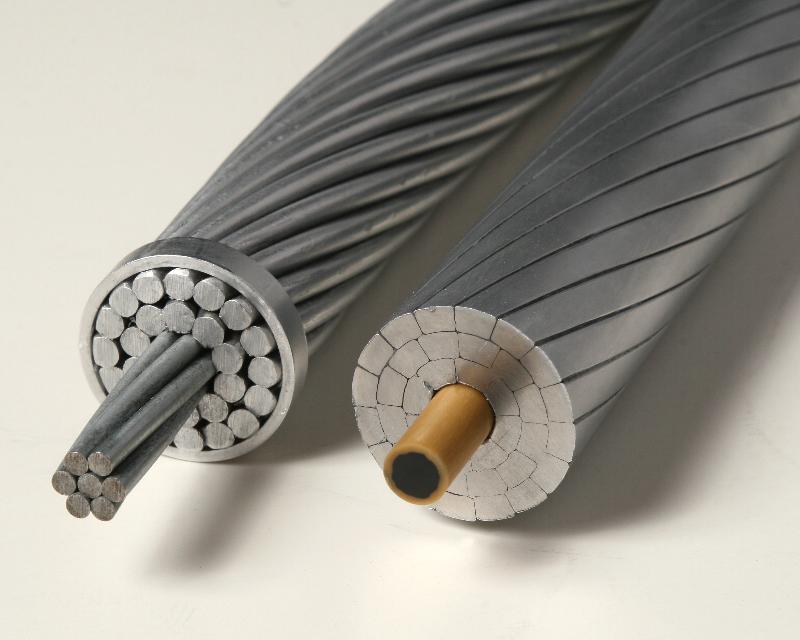
While the ACCC conductor's patented carbon and glass fiber core offers approximately twice the strength of steel, with a coefficient of thermal expansion about 1/10th that of steel to mitigate thermal sag, its lighter weight core also allows the incorporation of approximately 28% more aluminum without a weight or diameter penalty.
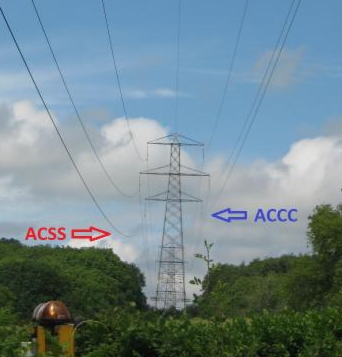
The ACCC conductor's added aluminum content (and excellent conductivity)* not only serves to increase capacity, it also allows the ACCC conductor to run much cooler than other conductor types under equal load. The cooler operating temperatures translate into line loss reductions of 25 to 40% or more.
Reduced line losses can reduce fuel consumption, conserve resources, and/or reduce emissions. With perhaps even greater significance, reduced line losses also frees-up generation capacity that is otherwise wasted. Considering the high cost and challenges associated with developing new generation resources, the ACCC offers progressive utilities a very favorable means of not only improving the efficiency, capacity and reliability of the grid, it also opens up a window to delivering more power to more customers with reduced generation investment.
*ACCC conductor uses Type 1350-0 (fully annealed) aluminum that offers 63% IACS conductivity. For comparison AAAC conductor (all aluminum alloy) uses Type 6201-T81 that offers 52.5 IACS conductivity.
|