|
|
|
|
Subscribe
 |
|
|
Greetings!
In this final issue of the academic season we say goodbye to our President, Randi Wirth. Randi has been a pleasure to work with; she has been a focused and tireless leader these past two years for CIPS,
and she has helped us to expand as a community during her presidency. We thank her for her dedication and direction and the seamless transition she is orchestrating for incoming CIPS President, Phyllis Sloate. Check out Randi's final "Letter from the President" as well as an interview in the "Special Reports" with Phyllis in which she shares her thoughts on what's ahead for CIPS.
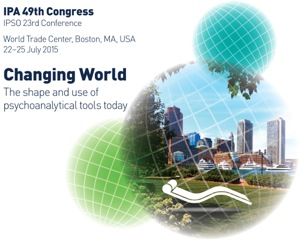
A change is in the air not only at CIPS but also at the upcoming IPA Conference in Boston. The 49th IPA Congress, The Changing World will be held on July, 22-25th. This issue's Institute News features CIPS members who will be presenting at the conference and we encourage you to attend their presentations. You are also invited to attend a cocktail reception on Thursday, July 23 at 6:30 pm, hosted by CIPS, where you can meet Randi Wirth and Phyllis Sloate, and network with fellow CIPS members and invited guests.
Also in this issue, the second installment of a feature called
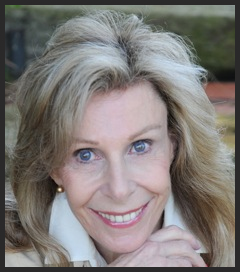 | | Claudia Eskenazi, PsyD |
"Institute Spotlight" focuses on LAISPS and its President, Lori O'Brien, PHD, FIPA. The Institute Spotlight is intended to give the CIPS community an inside look at the leadership and culture of each of our member societies, large and small. President O'Brien's interview provides an inside look at LAISPS, its leadership and its culture as well as the state of psychoanalysis in Los Angeles. Associate Editor, Claudia Eskenazi, PHD, has written a review on the recent LAISPS workshop with German analysts, Ingrid Moeslein-Teising, MD, FIPA and Martin Teising, MD, FIPA, entitled The Times They Are A Changin': "New Perspectives On Women in Psychoanalysis" and "The Contact Barrier."
We want to thank everyone who contributed news for this issue. We are grateful to our wonderful news staff: Susan Mitchell (PCC), Jared Russell (IPTAR & DMS), Joseph Davis (LAISPS), Doug Dennett (VPS) and Caron Harrang (NPSI). Have a wonderful summer!
Lisa Halotek, PsyD, FIPA
enewseditor@cipsusa.org Claudia Eskenazi, PsyD Assistant Managing Editor |
|
|
|
|
|
|
CIPS Board of Directors
|
Officers:
* President: Randi Wirth (IPTAR)
* Past-President: Leigh Tobias (PCC)
* Vice President: Terrence McBride (LAISPS)
* Treasurer: Sandra Borden (IPTAR)
* Recording Secretary: Marilyn Rifkin (IPTAR)
* President Elect: Phyllis Sloate (IPTAR)
Directors:
Direct Member Society Coordinator:
* Batya Monder bmonder@gmail.com
Directors represent the interests of their local society and institute on the CIPS Board of Directors and attend monthly teleconference meetings chaired by the President. The Direct Member Society Coordinator represents the interests of our individual direct members and also attends board meetings. The Membership Coordinator processes the application of those applying for direct membership, welcomes new members, and coordinates with the Webmaster to make sure our member roster is accurate and up to date.
Any candidate or member may attend a CIPS Board meeting (except when the board is in executive session) to learn more about the organization and how to become more involved. Contact your local society director(s) if you are interested.
|
|
Letter from the President
|
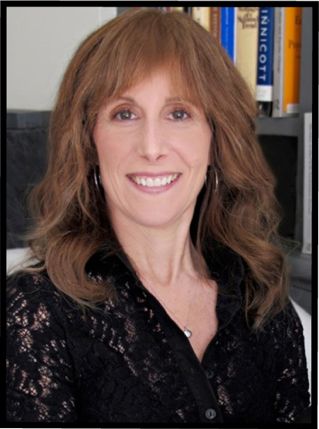 | | Randi Wirth, CIPS President |
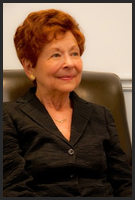
It is with mixed emotions that I write my final President's Letter. It feels as if it were only yesterday that Leigh Tobias handed me the metaphorical "keys to the car" and entrusted me with the stewardship of CIPS for these past two years. And stewardship is what it really is when you inherit a vibrant organization with a rich history, engaged membership, respected ongoing professional programs and a dedicated Board of Directors. As President, my task is to keep the car on the road, moving us forward while keeping an eye out for new destinations and opportunities. This month I hand the "keys" to our new President, Phyllis Sloate, and I can assure you that the transition will be seamless and that the CIPS membership will continue to benefit under her leadership.
In reflecting on my term as President, I take great satisfaction from what our Board has accomplished. We stay the course on our original mandate that our constituent societies work together to advocate on core issues integral to our profession on a local, national and international stage. CIPS members come together through a variety of programs and gain personal and professional stimulation from the rich diversity of our membership. We provide opportunity to become involved through seminars, authorship, conferences, committees and the CIPS News Brief.
I take great personal satisfaction from several of the Board's accomplishments during my term. The 2014 Biennial Clinical Conference was held in my hometown of NYC and, for the first time, we partnered with NAPsaC to host a remarkable and successful event centered on the theme of Trauma. Plans are already underway for the next conference to be held in Los Angeles (May 13-15, 2016). The Biennial Conferences have continued to grow in scope and stature over the past two decades and the LA conference is poised to raise the bar even higher.
With regard to the NY conference, the extraordinary interest in the theme of Trauma has been transitioned into the topic of a forthcoming publication in the CIPS Book Series.
Our series will publish its seventh entry this year, From Soma To Symbol: Psychosomatic Conditions and Transformative Experience, and there are three more books already in the pipeline. All authors are CIPS members and we encourage anyone interested in contributing to reach out to our editors. We even offer writing seminars as part of our teleconference series to aspiring writers.
I was very gratified and excited to welcome a new constituent society, the Vermont Psychoanalytic Study Group, during my term. It is a testament to the hard work of our Board that respected colleagues around the country value CIPS membership and wish to join our ranks. We are hopeful that we will be welcoming more colleagues in the coming years. Each society brings members with unique experience and perspective that adds texture to the CIPS family.
CIPS will once again host a Cocktail Reception at the IPA Congress in Boston on Thursday, July 23 at 6:30pm with an invitation to follow. It will be a chance after a fulfilling day at the Congress to relax and unwind with both new and old friends. If you are wondering what CIPS is all about, this is a great chance to connect with members from around the country and take advantage of one of CIPS's greatest strengths --- collegiality! I'd be personally thrilled if all of our members who are attending the Congress stop by to say hello and meet Phyllis and our Board.
I want to thank our Board from the bottom of my heart for their wisdom, dedication, hard work and friendship these past two years. Phyllis knows that she, too, will have their full support as CIPS continues to drive forward through the changing landscape of our profession.
Warmest Regards,
Randi Wirth, PhD, FIPA
|
|
Conversation With Incoming CIPS President, Phyllis Sloate
|
|
| | Phyllis Sloate, CIPS President-Elect |
Lisa Halotek: Congratulations, Phyllis, on being elected to the office of President of the CIPS Board of Directors! You have had a long and dedicated relationship with CIPS, as a Director from IPTAR and then on the Board as Chair of Education. We are very fortunate to have someone with your background and knowledge of CIPS and its history in the role of President. I am delighted to be interviewing you and providing an opportunity for our members to learn more about you and your aspirations for CIPS in the coming years ahead. I'd like to start by learning more about what drew you to psychoanalysis and where you were trained.
Phyllis Sloate: Before sharing my personal development, I want to say how honored I feel to become President of this collegial and vibrant organization. We have a history of leadership and progressive accomplishments in the larger psychoanalytic world that we can all feel proud of. It is also somewhat daunting to be at the helm and to continue, with the Board, to chart our course through challenging times. I hope to continue the CIPS tradition of creative, progressive and supportive leadership so well exemplified by Randi and our previous Presidents.
My interest in psychoanalysis evolved gradually. The short stories I wrote in high school and college, and my attempts to articulate the feelings and motivations of the characters that populated them, are part of my circuitous route to training. Little did I know then that these stories were also the fantasy material that eventually became part of a lengthy analysis! Like many women of my generation, marriage and preschool children created a pause in my education, and dreams of a career were temporarily filed under "unfinished business". Yet during those years, my interest in things psychoanalytic intensified. Gradually, an ambitious but cohesive plan coalesced - a PhD in Clinical Psychology followed by analytic training.
The first step in what became a lengthy journey was matriculation at Sarah Lawrence College, where I completed my B.A. with the courses needed to apply to graduate school. Sarah Lawrence, with its English donning system and support for other women like myself who were returning to school, was an amazing experience that combined intellectual rigor and depth with a disciplined pursuit of individual passions.
Increasingly, I felt that my dream of becoming a psychoanalyst could become a reality, but also recognized that as a non-traditional applicant to graduate programs, work experience was essential. At that time, Eleanor Galenson and Herman Roiphe had two nursery programs for the study of normal and pathological development at Albert Einstein College of Medicine. They hired me, and I spent two years prior to graduate school in a clinical and research setting that was a superb learning experience. The City College Clinical Psychology Doctoral Program accepted me, and my years there were filled with interesting course work, exciting opportunities and perennial exhaustion, as I often began my "homework" at 10:00 pm, after my kids were in bed. Interestingly enough, a clinical case from Einstein found me in the phone book and re-engaged at City. This case formed the basis for the grant proposal submitted by Anni Bergman, Linda Gunsberg, and Gilbert Voyat that established a treatment center for emotionally disturbed young children using the Mahler tripartite model. This, too, was an outstanding learning experience, in addition to my adult treatment cases and course work.
After receiving my degree in 1981, while working a part-time clinical job, I took a deep breath and opened a private practice. Several referrals of psychosomatic and eating disordered patients sparked a central, abiding interest in the further understanding of those transformative aspects of the psychoanalytic process that will facilitate a patient's movement from the concrete and external to a more fully symbolic capacity - and I wanted to learn more. Seeking out analysts working with this patient population led me to two groups chaired by Phil Wilson: the PANY Psychosomatic Study Group and the Psychosomatic Discussion Group at APsaA. Currently, I lead the APsaA group, and a NY study group as well. And we still have much to learn about this broad spectrum of patients and the transformation of psychic structure.
I was eager to begin formal analytic training, and although the times were changing, residues of the politics of exclusion were still common enough; second-class citizenship was unappealing to me. Moreover, I was by this time in an analysis, and an arbitrary change of analyst seemed to me very unanalytic. As I valued the IPA training model, I opted for the NYU Postdoctoral Program, where I could continue in a productive analysis and design a program equivalent to IPA training. Again, there were many excellent courses, teachers and supervisors whose intelligence and generosity contributed to my growth, both professionally and personally. As part of the settlement of the restraint of trade lawsuit that opened new training opportunities to nonmedical analysts, there was a "window of opportunity" whereby graduates of non-IPA institutes could apply for membership to the newly admitted component societies - CFS and IPTAR.
Abby Adams, then President of the New York Freudian Society (now Contemporary Freudian Society), and a founding member of CIPS, invited me to join both organizations. At CFS, I served on several Boards, chaired conferences and committees, began teaching, and eventually became a Training and Supervising Analyst and permanent Faculty. At IPTAR, where I am also a Training and Supervising Analyst, I served as Director from 2008-2014 and also represented CIPS to IPTAR and NAPsaC.
While active in institute life, I became increasingly engaged in CIPS. As a new member of CIPS, I joined the Public Policy Committee, and in 1999 became East Coast Co-Chair of the New Groups Committee. It was also my good fortune to meet Terry McBride, my West coast counterpart. I am very grateful that he will continue to serve the CIPS community as Vice President. In 2006, I became Chair of the CIPS Education Committee, and inaugurated our teleconference series, twice represented CIPS to the IPA Psychoanalytic Education and Oversight meeting (co-sponsored by NAPsaC/IPA), implemented a Writing Program led by a professional editor for our membership, and serve as Associate Editor to our Book Series.
LH: Your history is evocative for me as a mother and a non-medical professional. The challenges that you faced are admirable and represent your deep commitment to becoming a psychoanalyst. Prolonged careers and second class citizenship faced by non medical professionals aren't easy obstacles to endure. I think that the CIPS membership is going to get a sense of your strength and resilience as we face look to the future. Can you speak more directly to the challenges you see facing your Presidency and what you and Vice President, Terry McBride hope to accomplish?
PLS: CIPS was created as a political lobby whose primary mission was to protect and give voice to the interests of the independent psychoanalytic societies affiliated with the IPA. Times change and so do the needs of organizations. Our capable leadership began to grow CIPS into a more fully functional organization that responds to changes in members needs while retaining the original aims. And that decision - to foster CIPS evolution in directions that bring our far-flung and theoretically diverse community closer together - has brought us to where we are as an organization today. The creation of the News Brief itself was part of that visionary decision. In it, you will find information on activities occurring in our member societies, as well as contributions to psychoanalysis made by individual members. Along with this, information about our Book Series, openings in study groups, opportunities to earn a PhD in Psychoanalysis, calls to serve on committees, notices of our biennial Clinical Conference - and in this issue when and where to join us for a drink at the CIPS Reception, IPA Congress in Boston - keep us in touch with each other. Candidates are always welcome at all of our intellectual, political, and social activities.
Lisa, your comment about the challenges we face reminds me of a well-known Chinese curse -- "May you live in interesting times"! We are living in very interesting and challenging times for psychoanalysis. Practice has become more difficult: there are fewer patients, and they are less interested in the time and costs of psychoanalysis and psychotherapy. State and national regulations favor insurance companies that deny reimbursement to desperate patients, and the unrestricted use of electronic records is busily destroying the remains of mental health privacy. Unsurprisingly, the prestige and income of our members has suffered and there is less interest in training to become a psychoanalyst.
This situation requires that we search for ways to grow creative solutions and strategies that will enable us to survive in difficult times. Continuing to take a leadership role to protect our professional interests with a proactive political and legislative stance is essential. This also means fostering cooperation and collegiality with similarly minded organizations in the wider psychoanalytic community in order to engage their collaborative participation with us. We also look to grow our relationship with NAPsaC, a regional forum that links us with IPA. Our decision to partner with NAPsaC at our recent biennial Clinical Conference was beautifully realized by CIPS President Randi Wirth and NAPsaC Chair Maureen Murphy. Adding the Friday afternoon panel was very successful for both organizations. Efforts to strengthen NAPsaC have the potential to not only increase our member societies' visibility, recognition and political influence but also to move us in the direction of other regional bodies such as FEPAL and EPF, with commensurate recognition within the IPA generally.
At the local level, we plan to grow the professional opportunities currently available to the CIPS membership that enhance our clinical knowledge and skills, and promote our visibility within the larger psychoanalytic community. The CIPS Book Series continues to flourish, and so do our study groups. The opportunity to seek a PhD in Psychoanalysis is open to any member of an IPA society that becomes a member of CIPS. The new Writer's Program has a waiting list, and we look to the formation of a Writer's Support Group in the near future.
I also want to let everybody know how delighted I am to work with Terry again. We first met in 1999, when I was the East Coast New Groups Chair, and he was my West Coast counterpart. Involvement with CIPS has been a constant in both of our professional lives over these many years. He joins me in taking a proactive stance towards the very real difficulties facing us, and the hard work involved in generating solutions that will enhance our profession and enable us to move forward. The CIPS Board is an integral part of this problem-solving process. We are fortunate to have several very experienced and creative Board members who are not only well acquainted with the complicated issues we face, but who are willing to serve yet another term out of their dedication to CIPS. I thank them for this, and also look forward to welcoming those who are new to the Board. Together we will bring our creative energies to bear on all that is the richness of CIPS.
LH: On a final note, as Chair of the CIPS Education Committee, you inaugurated the teleconference series that many of our members have participated in. I can tell you from my own experience in a Bion teleconference class, that it was stimulating and it had the added benefit of introducing new and fresh voices of colleagues from other CIPS component societies. Can you tell us how the teleconference series came about?
PLS: Two contributions to the intellectual life of our organization are the teleconference series and the distance PhD Program, initially chaired and implemented by Beth Kalish from LAISPS, and now in Pamela Dirham's capable hands. The ideas for these programs originated with Rick Perlman, past-president of CIPS, and were initially fostered by his Board. We understood how important it is to build a greater sense of CIPS community over geographic distance; and how studying together facilitates this process. Moreover, the teleconferences offer our membership access to people with significant expertise in various areas of interest that they otherwise are unlikely to study with, and provide national visibility to those who teach. On a more personal note, I have been involved in psychoanalytic education for many years, and feel very fortunate to have experienced some wonderful teachers. They powerfully influenced my psychoanalytic development, and I will always feel grateful to them. I brought that feeling with me when I was invited to Chair the Education Committee. Leigh Tobias was very helpful as I began to reach out, to invite members to share their expertise, and to further communal bonds that bring us closer together, through pleasurable, growth-producing activities. My contribution to this effort is the new Writer's Program, taught by Eve Golden, MD. Writing requires much support, and I hope to have an ongoing Writer's Support Group in the near future. The synergy between our well-received Book Series and ongoing support for CIPS authors encourages our intellectual contributions to the larger psychoanalytic community, and is a source of pride for all of us. |
|
|
Maureen Murphy, NAPsaC Chair, reports on the following activities reflecting NAPsaC's growing involvement as the North American regional IPA association.As part of a growing interaction among the three IPA regions, NAPsaC participated in the annual conference of the European Psychoanalytic Federation (EPF) in Stockholm in March. While not yet spring, winter relented enough to allow participants to wander the streets and waterfront of this beautiful city. What was especially important for NAPsaC is that this is the first time that we have participated in a tri-regional panel (an idea that emerged from discussions at the Prague IPA Congress) as a way to collaborate on clinical and theoretical ideas. For this conference, the EPF Program Committee, under the leadership of Serge Frisch, Franziska Ylander and Leo Bleger, chose the title "The Sound of the Analyst's Silence" for the Tri-regional panel. Each panelist was asked to speak about something salient to that topic within his or her region. In addition to myself on behalf of NAPsaC, Evelyn Sechaud represented the EPF and Fernando Orduz represented FEPAL. Given the competition from several other simultaneous panels, I wondered how well attended our panel would be and was delighted (and a little daunted) when nearly 200 people showed up. I think that this underscores not only the interest in this important clinical topic but also the desire on the part of analysts to enter into a global dialogue. The EPF website provides a valuable resource open to all IPA members which includes the papers from this conference as well as an amazing archive of papers from other EPF conferences. To access the site go to www.epf-fep.eu.You will be asked to register using a button in the upper right hand corner. The next NAPsaC event will be the NAPsaC Clinical Workshop during the Pre Congress in Boston. Hope to see you there! All International Psychoanalytical Association members in North America are automatically members of the North American Psychoanalytic Confederation. NAPsaC is a confederation of IPA component groups, formed in 2003, to enable the North American societies of the IPA to communicate with each other, to collaborate with each other on projects of mutual interest, and to facilitate decision-making by the component groups of North America in response to the administrative and governance requirements of the IPA.NAPsaC Officers: Maureen Murphy (Chair); Beth Kalish (Co-Chair); Leigh Tobias (Secretary); Sandra Borden (Treasurer)
Board of Directors: Andrew Brook (CPS), Caron Harrang (NPSI),
Beth Kalish (LAISPS); Mark Smaller (APsaA), Leigh Tobias (PCC), Marcia Levy Warren (CFS), Maureen Murphy (PINC), Steven Ellman (IPTAR)
Alternate Directors: Harriet Wolfe (APsaA); Louis Brunet (CPS); Paula Ellman(CFS), Randi Wirth (IPTAR) Lisa Halotek (LAISPS); Dana Blue, (NPSI); Andrea Kahn(PCC);
Charles Spezzano (PINC)
|
|
|
The Changing World: The Shape and Use of Psychoanalytic Tools Today
We are living in a fast-changing world, which challenges the psychoanalytic ideals of reflection and time for thought. How do these challenges affect the mind, our technique, and our consulting rooms?
From July 22nd through July 25th over two thousand psychoanalysts from around the world will be gathering in Boston for the Bi-Annual Congress of the International Psychoanalytic Association. This is an opportunity to participate with and listen to psychoanalysts from around the world! It promises to be an enriching and stimulating experience.
Visit the IPA website for information at: http://www.ipa.org.uk/Congress
|
|
|

Institute Spotlight: LAISPS
This new feature will run for the next four issues as we focus on each of our component societies with an interview by Managing Editor, Lisa Halotek with the institute presidents. This is the second in our series with the spotlight on the Los Angeles Institute and Society for Psychoanalytic Studies and their President, Lori O'Brien, PhD.
Lisa Halotek: As a member of LAISPS, I'm delighted to introduce you to our CIPS Membership. I think the best place for us to get started is for you to tell us about your background and how you became interested in psychoanalysis.
Lori O'Brien: Hi Lisa. My background was initially to study the sciences in undergraduate school at UCLA. I had dreamed of being a large animal veterinarian for my entire childhood. However, when I looked into the profession more seriously as an adult, I found it to be very devastating and hadn't realized how much death and trauma were involved on a daily basis. I realized that I would much rather pursue my passion for animals in a more companionable and pleasurable mode. This left me at a loss for what career direction to take. As you and I have discussed, I ended up in banking after undergraduate school. I spent 8 years in real estate finance, culminating in being a Vice President at the Bank of New York heading their west coast hotel and large scale residential tract lending. In the early 80's this was all fun and exciting, but by the recession of the late 80's there were only bank takeovers and legal battles to fight. I began looking into the sciences again as that was where my passion lay. I was fascinated by psychology and neurobiology and soon after decided to go back to graduate school in clinical psychology. I completed my first two years while still at the bank and then decided to commit to my doctorate full time.
I loved the intellectual stimulation, the existential discussions and the emotional connection. I was fascinated by the field of psychoanalysis in particular. What was the difference between the mind and the brain and the soul? What was the unconscious? What was in my unconscious? How could one think about that scientifically? I had romantic fantasies of how my own analysis would be one day. I became interested in the differences between Freud and Klein and the Jungians and the self psychologists. Where did female development fit in? Where was feminist psychoanalysis? It was a no brainer that I would want to continue with psychoanalytic training once I had completed my doctorate.
LH: As you searched for the answer to these questions what spoke to you about LAISPS and made you decide to train there and then to ultimately become it's President?
Of course I had heard that LAISPS was a "friendly" institute and that it offered an eclectic curriculum, but as is usually the case, it was personal relationships that led me to train there. I had been exposed to a number of LAISPS faculty in my post doctoral internship at the Wright Institute Los Angeles and then had taken an extension course with Diana Miller and Maggie Magee, both members of LAISPS. The course was on gender and psychoanalysis and I was so excited to learn of new ways to imagine sexual development, psychoanalytic thinking on gender issues and be exposed to feminist psychoanalytic theories. I wanted a classical background in Freud and Klein, but also was eager to hear more about British Middle School, Intersubjectivity and develop a strong theoretical base to think about incorporating current neurobiological and contemporary psychoanalytic theory. LAISPS appeared to be, and has been for me a home for limitless learning and sharing of ideas.
In terms of the Presidency, it was not a particular goal, rather a culmination of experiences which led up to the natural progression. I had been on the Curriculum and Membership Committees and was currently the Progression Chair. I had enjoyed the connections with other LAISPS members that Committee work provided. Lynn Goren, Past President, approached me with the idea of taking over the presidency and I was interested in many aspects, but intimidated and awed by the responsibility. Ultimately, obviously, I decided to take on the challenge.
The position is enormously interesting and has enabled me to meet and get to know many members and candidates I would not have known as well otherwise. The biggest challenge I felt coming into the position was to energize the membership toward more involvement and to increase interest in psychoanalytic training. I had been sensing an apathetic environment and a sense of hopelessness about where psychoanalysis fits in the future of mental health. Survival of institutes and psychoanalytic training had been the main focus of conventions and meetings. I feel very excited about the future of psychoanalysis. The meaning of deep personal connections and the capacity of the human mind to connect, respond and heal within these connections strikes me as very profound and crucial as we move into such an advanced technological and scientific age.
LH: What do you see in the future for LAISPS in terms of bringing psychoanalysis to a wider audience and dealing with the local challenges that Los Angeles brings with it?
Our first mission is to work with other institutes nationally and internationally to define the role and training methodology of psychoanalysis in general. Medical advances and cultural diversity are being incorporated into the curriculum of institutes around the globe and it is important LAISPS stay on the cutting edge of training. Our program committee has done a fantastic job of producing excellent seminars. This year alone we have provided exposure to advances in neurobiology and women in psychoanalysis.
Additionally, on a national and state level there are enormous changes in legislation for educational institutions. It is so important that LAISPS stays involved in how to keep abreast of and in sync with the numerous statutes and requirements being imposed on educational institutions. Our students and candidates are the heart and future of our institute and we plan to keep it that way.
One specific interest I have for LAISPS as a Los Angeles institute is to make psychoanalysis more user friendly for a wider audience. We have an active referral service that is available to the public and encourage those who are interested to consult with our members and candidates. In addition, I would like to bring the idea of analytic treatment to Los Angeles' diverse cultural community. We are excited to be speaking with members of psychoanalytic institutes in Mexico and thinking of how to begin to address the large Latino community in Los Angeles. We have a community relations committee which sends LAISPS speakers out to diverse settings. I would like us to continue to expand our reach into a variety of culturally diverse settings which serve a large population in Los Angeles. From the theoretical advances in teaching sexual development to gay and lesbian students to supervising advanced psychoanalytic techniques with multicultural students, there is a whole lot to learn and incorporate, but I am proud of LAISPS in terms of its sense of curiosity, sense of community and willingness to evolve.
LH: Thanks, Lori.
|
|
Conference Reviews
|
The Times They are A'Changin':
"New Perspectives On Women in Psychoanalysis"
And
"The Contact Barrier"
A Workshop With Ingrid Moeslein-Teising and Martin Teising
The Los Angeles Institute and Society for Psychoanalytic Studies (LAISPS) had the distinct pleasure of hosting Ingrid Moeslein-Teising, MD and Martin Teising, MD at a workshop presented at the University of California, Los Angeles (UCLA) in April 2015. Claudia Eskenazi, Assistant Editor, shares some of the highlights from this conference.
On April 25th,Ingrid Moeslin-Teising, MD, FIPA and her husband, Martin Teising, MD, FIPA, two of Germany's leading psychoanalytic scholars, presented onthe latest developments in European psychoanalysis.This event was graciously made possible by a grant from the IPA.
The morning began with Ingrid Moeslein-Teising's presentation of her paper entitled "From Edith Jacobson to Femininity in Psychoanalysis Today" followed by a panel discussion with three LAISPS members, Linda Sobleman, PhD, FIPA, Lori O'Brien, PhD, FIPA, and Karen Beard, PhD, FIPA.
Moeslin-Teising surveyed the history and current status of revisionary work on gender, beginning with the groundbreaking work of Edith Jacobson in Berlin. Her paper explored the dramatic changes in psychoanalytic models of women's psyches in recent decades, including the psychoanalytic understanding of gender and sexuality. Her informative and enlightening presentation was enriched by the three provocative papers that followed.
Linda Sobleman, opened the panel discussion by reviewing the work of Thomas Laquer, who has written about Western thinking regarding sexual anatomy and gender from the ancient Greeks to Freud. According to Linda, "The one sex model of sex and gender prevailed from classical antiquity until well into the 18th century. According to this model, females were viewed as an imperfect, lesser version of the male. Epistemological and political changes resulted in a shift to the two-sex model. Now, rather than being seen as a lesser version of the male, females were thought to be the opposite of males in every aspect of their bodies and characters. In the one sex model, the subordination of women by men was justified by the hierarchical ordering of their bodies. In the two-sex model, biological facts were used as justification for the status of women. Gender roles became institutionalized, and women were relegated to the private sphere as wives and mothers (with men as the head of the household), while men dominated the public sphere."
Her paper entitled "The History of Female Orgasm: The Domestication of Women" was well received by those in attendance. Linda discussed Freud's theory of psychosexual development as "shown to retain many elements of the one sex model. His creation of the myth of vaginal orgasm, however, flying as it does in the face of centuries of anatomical knowledge, is a testament to which the authority of nature can be rhetorically appropriated to legitimize the creations of culture."
Referencing Ingrid Moeslin-Teising's edited book, The Female Body: Inside and Outside Lori O' Brien, noted "there were numerous references to the female in myth throughout history." Lori, in summarizing her paper said, "I chose to focus on the myths of Medea and Medusa as formidable goddesses and their particular form of aggression as female revenge. I summarized the differences of female and male early development and how this pertained to expressions of aggression in general and how this evolves into revenge for females without the adequate early holding environment to develop enough ego strength to withstand frustration. My paper examines both historical and present day revenge scenarios and their triggers, as well as the revenge enacted in psychoanalytic treatment in both the transference and countertransference. I suggest that creating an adequate holding environment to foster opportunities for grieving of past betrayals and hurts both conscious and unconscious may encourage the development of a stronger ego and more ownership and responsibility for female patients."
"Aphrodite's Shadow: Dreaming a Common Skin" was then presented by Karen Beard. Her paper focused on the fact that in normal female development, sensual skin-to-skin relating establishes the infant's sense of being a person in a body who also shares a common skin with her mother. "The embodied experience of a common skin supports the girl's growing sense of her body as she integrates powerful sexual feelings in adolescence. When a mother is unable to enjoy a mutual sensual reciprocity, the baby's body becomes a thing to be managed." Her paper addressed the clinical challenge of working in these nonverbal areas where the patient's body constitutes the child's living history (expressed in physical symptoms, acting out and inhibitions) of the failure to share in a sensual maternal bond. According to Beard, "As analysts we use our own somatic countertransference to create, through reverie and dreaming, a common skin with these women."
All three discussants offered vivid clinical examples that enriched the audience's experience. A lively discussion followed and illuminated ideas for all of the participants.
After a lunch catered by UCLA, participants reconvened to hear Martin's paper, entitled, "The Contact Barrier." He discussed his theory of the contact barrier, drawing upon relevant clinical examples. The contact barrier, as he views it, represents the intersubjective space in which the analyst and the patient connect. The contact barrier simultaneously limits and allows for the exchange of affects, unconscious projections, linguistic exchanges, and transformational emotional experiences.
Carole Morgan, PhD, FIPA followed with a discussion of Martin Teising's paper, entitled "The Concept of the Contact Barrier from Freud to Bion to Matte Blanco: Discussion of the Contact Barrier by Martin Teising, PhD" which addressed Freud's, Bion's and Teising's uses of the metaphor, and then introduced the thinking of Matte Blanco, who discussed unconscious communication. Morgan drew comparisons among Freud's contact barrier, Bion's alpha and beta functions, and Matte Blanco's propositional function, all of which focus on countertransference. She, too, provided clinical examples.
The contact barrier, as Morgan discussed, was used by Freud in The Project and is a metaphor for unconscious communication, or countertransference, between analyst and analysand, or therapist and patient. "He likens unconscious communication to the transfer of information from one neuron to another, from one transmitting neuron/individual to a receiving neuron/individual. The contact barrier can facilitate (contact function) or prevent (barrier function) communication. Teising discussed Freud's original idea and shows how Bion, the only other writer who discussed the contact barrier, understands its function."
A dynamic discussion followed Carole's paper as many participant's shared questions and ideas related to Blanco's contributions to the concept of the contact barrier.
LAISPS hosted a dinner in honor of the Teisings later that evening where friendships deepened and personal and professional conversation was shared. It was a pleasure to share bread in an informal atmosphere with some of the most productive leaders in the German psychoanalytic community.
The program was a day to remember by all of the participants.
Ingrid Moeslin-Teising is the co-author of The Female Body; Inside and Outside, published by the IPA press. She is a member of the IPA'S Committee on Women and Psychoanalysis, a psychoanalyst of the German Psychoanalytic Association, a group analyst, a doctor to psychosomatic medicine working in private practice, and a senior consultant in an inpatient psychosomatic clinic (Klinik am Hainberg, Bad Hersfeld). She also teaches at the Alexander-Mitscherlich-Institute, Kassel.
Martin Teising, MD has written more than 80 papers on psychoanalytic topics, including the recent IPA articles "Permeability and Demarcation in the Psychoanalytic Process" and "The Suicidality of Elderly People." He has been a professor of Psychoanalysis and Gerontopsychiatry and is the new President of the International Psychoanalytic University in Berlin.
|
| CIPS Study Groups and Seminars | The following is a list of current or planned study groups or seminars. All groups meet via teleconference and are led by CIPS members or honorary members. Please contact Phyllis Sloate if you have questions or an idea for a study group you would like to facilitate (plsloate@aol.com or 914.636.2833).
Currently we have three teleconferences running:
Bion 1, co-led by Marianne Robinson and Maxine Anderson, now in its sixth year, with members from Seattle, NY, DC and Canada.
Enactment, led by Nancy Goodman, with members from NY, DC and Mexico City.
Psychoanalytic Writing Group, led by Eve Golden, MD.
|
| Inter-Society Dialogue | The purpose of this section of the News Brief is to report on instances of collegial contact and sharing of ideas amongst the Societies and Study Groups that make up the Confederation (IPTAR, LAISPS, NPSI, PCC, VPSG and the Direct Member Society) and between our members and psychoanalytic societies or organizations outside of CIPS. In this issue we feature collaboration between an IPTAR analyst and a colleague from the British Psychoanalytical Society. The News Brief invites submissions from any CIPS member with similar planned activities or a review after attending an event illustrative of inter-society dialogue and learning.
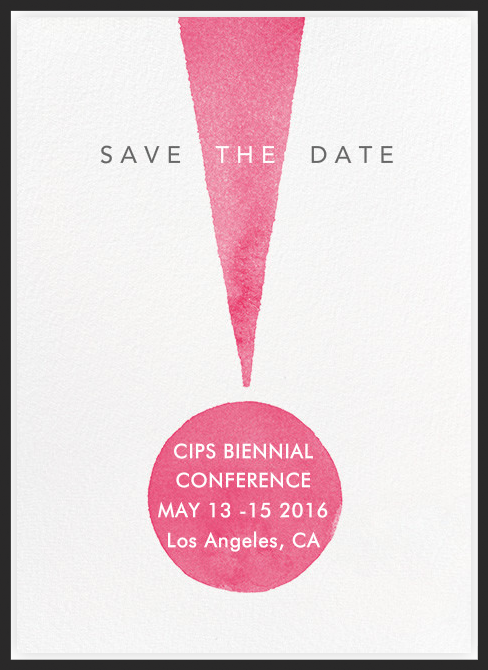
CIPS BIENNIAL CONFERENCE, MAY 13-15 2016
SAVE THE DATE
CIPS BIENNIALCONFERENCE
MAY 13 -15 2016
Los Angeles, CA
****
LAISPS PhD Program Update
|
| CIPS Societies News |
Direct Members Society (DMS)
Since DMS is comprised of individuals from different IPA Societies other than one of the CIPS Societies, there is not a website for this group. To join CIPS as an individual member please fill out an application on our website by clicking here: DMS Membership Application Form.
Institute for Psychoanalytic Training & Research (IPTAR)
-
April 2015 Scientific Meeting (@ Karen Horney Center);
Metropolitan Institute for Training in Psychoanalytic Psychotherapy, Joseph A. Cancelmo, PsyD, FIPA presented "Contemplating Endings in Psychoanalysis: Some Thoughts on the Use of Reverie, Dreams and Emotional Communication as Transitional Experience Across the Analytic Process."
-
Joseph A. Cancelmo, PsyD, FIPA, presented "Some Thoughts on the Complex Demands, Challenges and Rewards of Being a Doctor of Dentistry: The Dynamic Interplay of Multiple Roles in the Work System/Professional Practice." March 2015 Dinner Speaker (@ Princeton Club); Dental Study Group of NYC. "A Taste of Systems-Psychodynamic Thought and Experience: Managing Ourselves in Our Multiple Roles in Turbulent Times." April 2015 (with K.P. White, PhD and Dahlia Radley-Kingsley, MBA at IPTAR West) IPTAR - LJ Gould Center for Systems-Psychoanalytic Studies.
-
Alexandra Catarruzza, MS, presented on May 3rd for the Massachusetts School of Psychology (MSPP): "Postpartum Depression: Psychodynamic Factors and Treatment Considerations." Her paper, "Difficulties in the Treatment of Depression During Pregnancy and Postpartum Depression," published last year in the Journal of Infant, Child, and Adolescent Psychotherapy has been included in an online article collection featuring the most downloaded articles that were published in Routledge Behavioral Sciences Journals in 2014. To view the top three most downloaded articles that were published and downloaded in 2014 in each Routledge Behavioral Sciences Journal see the link below. It will be freely available until June 30/15: http://www.tandfonline.com/doi/full/10.1080/15289168.2014.880296#/toc/hicp20/13/2
-
Monica Carsky, PhD, FIPA, taught a continuous case conference at the Institute for Psychoanalytic Training and Research (IPTAR ) on "Transference and Countertransference with Borderline Patients " and a course at the New York University (NYU) Postdoctoral Program in Psychoanalysis and Psychotherapy, on "An Object Relations Theory Approach to Technical Challenges," which covered aspects of Kernberg's Transference Focused Psychotherapy, an evidence based psychoanalytic psychotherapy (TFP; Kernberg, O.F., Yeomans, F.E., Clarkin, J.F., Levy, K.N. 2008), Transference Focused
Psychotherapy: Overview and Update. (Int. J. Psycho-Anal., 89:601-620). In December 2014-Feb 2015 she also taught 3 meetings of a course on supervision for The Center for Psychoanalysis and Psychotherapy of New Jersey, on "Ethics, Legal and Professional Issues; Transference and Countertransference; Resistance to Supervision and Parallel Process."
- Steven Ellman, PhD, FIPA, was the discussant of Symposium 2015, entitled "Mind, Brain and Body" presented at Oklahoma City (Div 39 group). He also spoke at Mount Siani (NY) on Mind, Brain and Body. He interviewed George Makari at the New School on Revolution In Mind and he spoke on a Panel of the 25th anniversary of IPSS in NYC. Stevens article Traversing Narcissistic Pathways: From Freud to Present Times was published in 2014 by Psychoanal. Inq., 34:394-407.
-
Christine Fewell,PhD, FIPA, published a chapter titled"Children of Parents Who Abuse Alcohol and Other Drugs" (pp. 138-153), co-edited with Shulamith Lala Ashenberg Strausser, in Parental Psychiatric Disorders: Distressed Parents and Their Families (2015). Reupert, A, Mayberry, D. Nicholson, J., Gopfert, M, and Seeman, M.V.
(Eds). Cambridge University Press: United Kingdom. She conducted: Continuing Education Workshop for NYC Chapter NASW- March 15, 2015: "Fostering Attachment Through Mentalization and Reflective Functioning: Application of Cutting-Edge Concepts in Clinical Practice with Children and Their Parents."
- Susan Finkelstein, CSW presented "Schizoid Modes in Narcissistic and Borderline States: Levels of Disturbance in the Capacity to Symbolize and Establishing a Space-Time Continuum" in our third year at the American Psychoanalytic Association (ApssA) January meetings.
Susan Finkelstein co-chaired this Discussion Group #12 with Nasir Ilahi. In May, Susan Finkelstein, in her role as Director of Understanding Primitive Mental States, invited and moderated a discussion with Chris Mawson, Fellow, The British Psychoanalytical Institute of his paper, "Interpretation: Freud's Specific or Relevant Action, and Klein's Point of Urgency." This was Mawson's first speaking engagement in the USA. Mawson is the editor of the compendium of Bion's writing called: The Complete Works of Wilfred R. Bion and is the editor of Bion Today. In May, Susan Finkelstein was awarded the Senior Plumstock Prize by the Contemporary Freudian Society for an original psychoanalytic article. This year, Susan Finkelstein and David Bell, MD, Fellow, British Psychoanalytical Society and Institute, London, co-taught training analysts and candidates in a course entitled "The Internal World and Its Objects, A Theoretical and Clinical Seminar" via in person and telephone conferencing abroad, in New York City and Washington DC.
- Erwin Flaxman, PhD, FIPA presented a paper on, "Psychoanalysis and the Endings of Shakespeare's Plays" at New Yor Psychoanalytic Institute on March 3, 2015.
- Judy Ann Kaplan, LCSW, FIPA received a Lifetime Achievement Award in appreciation for her outstanding contributions to social work and psychoanalysis at the American Association for Psychoanalysis in Clinical Social Work (AAPCSW) Conference held in March 2015 in Durham, North Carolina.
- Brian Kloppenberg, FIPA will be reading his paper entitled, "Psychoanalysis, Sexual Difference and Transgender: Questions and Controversies" at the International Psychoanalytic (IPA) Congress on Friday July 24th at 5:45.
- Danielle Knafo, PhD, FIPA was awarded the Barbro Sandin Award for leadership in the humane treatment of psychosis, and a New York University (NYU) Scholar's Grant for Soul and Silicone: A Documentary Film About How Dolls Become Real. She published: D. Knafo, R. Keisner & S. Fiammenghi, Eds. 2015. Stories of Clinical Psychologists in Training: Personal Transformation and Professional Development. Lanham, MD: Rowman-Littlefield.
- Naama Kushnir Barash, PhD, FIPA presented an analytic case at the National Psychological Association for Psychoanalysis (NPAP) on February 8th, 2015. The purpose of the presentation was to demonstrate how the early trauma came alive in the transference. She included examples of the way she worked with projective identification of internal bad objects.
- Janice Lieberman, PhD, FIPA presented on a Panel at NYU Medical Center (PANY and IPE) on Almodovar's film "The Skin I Live In," February 8th. She contributed to the Psychoanalytic Museum (online) with a piece called "The Skin You Live In." She also taught a 15-week course on The Unconscious at the Metropolitan Institute for Psychoanalytic Psychotherapy. Gallery Talks at the new Whitney Museum of American Art, May 2015.
- IPA Boston: Two panels accepted
1. Changing World: Psychoanalysts Reflect on Body and Skin Modification (with Isaac Tylim, Rosemary Balsam, Uta Karaoglan)
Jared Russell, PhD, FIPA, will act as Chair and do a powerpoint presentation of art on this topic.
2. Searching for Love and Relationships in a Digital World (with Glen Gabbard. Vincenzo Bonaminio and Henry Friedman as Chair)
- Batya R. Monder, MSW, BCD, completed teaching an Elective on Aging and Treating the Older Patient at the CFS. There were three meetings in March. The elective had not been offered before and was well received..
- Jared Russell, PhD, FIPA, published, "There is No Such Thing as Transference" in Undecidable Unconscious: A Journal of Deconstruction and Psychoanalysis (University of Nebraska Press). On January 24th he presented a case under the title "Chemistry" at the Eighth Annual Clinical Study Day of Lacanian Compass in Miami, FL. On February 25th he presented, "The Affirmation of Chance and the Cultivation of Care" as part of the panel, The Future of Education in the Humanities at Purchase College (SUNY).
- Ellen Sinkman, LCSW, FIPA's book The Psychology of Beauty: Creation of a Beautiful Self was reviewed in Feb., 2015, by the Journal of the American Psychoanalytic Association. The book was published in Korean in March, 2015.
- Isaac Tylim, PhD, FIPA participated in the panel "The Many Faces of Pain" at the Federation of Latin American Psychoanalysis Congress in September 2014 in Buenos Aires. In November 2014 he was invited by Denver University and the Denver Psychoanalytic Institute to present "The Freud and Ferenczi Letters." His recent publications include "Home Sweet Home. A Psychoanalytic Reading of the TV 'Homeland "" - American Journal of Psychoanalysis; and "Technology and the Future of Psychoanalysis" - Psychoanalytic Inquiry.
- Matthew von Unwerth served as moderator at the Solange Skinner lecture in Boston. In December 2014, he received a grant for $20,000 from Psychoanalytic Electronic Publishing (PEP) to make a film about Winnicott's presentation of "The Use of the Object" at The New York Psychoanalytic Society in 1969.
For more information on all IPTAR events visit www.iptar.org.
Los Angeles Institute & Society for Psychoanalytic Study (LAISPS)
- President, Lori O'Brien announced that LAISPS has completed their site visit and received provisional acceptance by the ACPE.
- The Los Angeles Institute and Society for Psychoanalytic Studies (LAISPS) community congratulates Leslie Howard, MFT and Marc Sanders, PhD upon completion of all requirements for full membership in LAISPS.
- January 10, 2015 Sergio Eduardo Nick, MD presented his very interesting paper, "On the Approach of Sexuality in the Psychoanalytic Clinic." Alan Spivak, PhD, FIPA was the discussant.
- February 2015, Michael Diamond, PhD, FIPA published a paper entitled "The Elusiveness of Masculinity: Primordial Vulnerability, Lack, and the Challenges of Male Development" in Psychoanalytic Quarterly, 2015, 84:47-102.
- April 24, 2015 at the American Psychological Association (APA) Division 39 meeting in San Francisco, Beth Kalish, PhD, FIPA was the discussant of a paper by Nancy Goldov, PsyD entitled "Moving the Metaphor of Dance: Bringing Creative Embodiment to Life."
- May 2, 2015 as part of the Vista del Mar/Reiss Davis Saturday Series, Beth Kalish, PhD, FIPA presented a paper entitled "Movement Thinking and Therapeutic Action in Psychoanalysis II." The paper was drawn from the chapter she wrote on this topic in Diamond, M.J, PhD, FIPA and Christian, C., PhD, FIPA (2011) eds. The Second Century of Psychoanalysis, published by Karnac.
- In May 2015, Michael Diamond, PhD, FIPA was invited to The Suffolk Institute for Psychotherapy and Psychoanalysis, on Long Island, New York, for a one day workshop presentation on "Fatherhood: What's Dad Got to Do with It? Real Father, Symbolic Father, and Becoming A Father."
- Senior candidate, Preston Lear, PsyD, will present his paper "The Icarus Complex and the Addiction to Near-Death" to IPSO at the IPA conference in Boston.
- Peter Wolson, PhD, FIPA will be presenting a paper at the July 49th Congress of the International Psychoanalytic Association (IPA) Congress in Boston entitled "Psychoanalysis Enters the Political/Cultural Fray Through Op-Ed Pieces And On-line Blogs."
- Alan Spivak, PhD, FIPA will be presenting a paper at the July 49th Congress of the International Psychoanalytic Association (IPA) Congress in Boston entitled "The Secret Erotic Transference".
- Michael Diamond, PhD, FIPA is the invited discussant for the International Psychoanalytic Association (IPA) Congress Plenary Address entitled "Psychoanalysis in Times of Technoculture: Some Reflections on the Fate of the Body in Virtual Space" presented by Alesandra Lemma, MA, Phil, DClin, at the July 49th Congress in Boston.
- Michael Diamond, PhD, FIPA is the invited discussant, with Fred Busch, PhD, Jay Greenberg PhD, and Ellen Sparer, PhD for a panel entitled "Working Through: A Clinical Concept in Transition" at the July 49th Congress of the International Psychoanalytic Association (IPA) Congress in Boston.
For more information on all LAISPS events visitwww.LAISPS.org
Northwestern Psychoanalytic Society and Institute (NPSI)
- In 2013 the NPSI Institute began the lengthy process of applying for national accreditation through the Accreditation Council for Psychoanalytic Education (ACPE). The site visit was conducted on April 23-25, 2015.
The committee consisting of Doug Ingram, MD, Phil Lebovitz, MD (Chair), and Miriam Pierce, LCSW met with the Education Committee and each of its subcommittees (Admissions, Curriculum/Faculty Development, Progression, and Training Analysts), plus Ethics, the candidate cohort, and the Board of Directors. For the site visitors and all who participated, it was an intensive and meaningful three days.
At the summary meeting on April 25, Phil Lebovitz gave a PowerPoint presentation on the history of ACPE and how it developed in response to federal legislation (Higher Education Act of 1965) as part of President Lyndon Johnson's Great Society domestic agenda. The law was intended to strengthen educational resources of colleges and universities and establish low-interest loans. Since 2001 when ACPE was founded, psychoanalytic institutes in the United States have become increasingly interested in achieving parity with colleagues in other academic and health care disciplines. Phil's comments provided historical perspective for the social/political forces that sparked the formation of ACPE and helped explain why psychoanalytic institutes throughout the United States are increasingly motivated to seek accreditation. Accreditation is part of assuring the professional public that we meet and will maintain the highest standards for excellence in our psychoanalytic training at NPSI. Moreover, accreditation of a sufficient number of psychoanalytic institutes will also allow ACPE to apply to the Department of Education for low-interest student loans which will then become available to accredited institutes.
NPSI will receive a formal written report from the ACPE Site Visit Committee within 4-6 weeks. That report will detail the Institute's strengths and areas for improvement summarized in the discussion as well as the committee's recommendation for full or provisional accreditation. Full accreditation can be offered for up to 7 years, at which time we would need to participate in another site visit to maintain our accreditation. If accreditation is provisional, we will have time to complete additional work in order to qualify for full accreditation. Accreditation can also be deferred or denied if an institute is evaluated to be significantly below standards, but we were told this is not a concern for NPSI. Stay tuned for the outcome of the accreditation process in the fall issue of the News Brief.
- Dana Blue, LICSW, FIPA qualified to become a training and supervisinganalyst in April 2015. Congratulations Dana!
- NPSI Community Member Daniel Benveniste, PhD has just published a new book titled, The Interwoven Lives of Sigmund, Anna and W. Ernest Freud. It is a biography of three members of the Freud family in which the central thread is the life and work of W. Ernest Freud. To read more about the book or to purchase your copy go to: http://internationalpsychoanalysis.net/2015/01/24/new-from-ipbooks-the-interwoven-lives-of-sigmund-anna-and-w-ernest-freud-by-daniel-benveniste/
- Caron Harrang, LICSW, FIPA was an invited presenter at Forum 2015: An Annual Conference on Theory and Practice sponsored by Northwest Alliance for Psychoanalytic Study and Seattle Psychoanalytic Society and Institute on April 11, 2015. Caron represented Northwestern Psychoanalytic Society and Institute and a British Object Relations perspective at a lunchtime plenary session titled, "The Role of Theory in Shaping How One Listens and Works in the Clinical Hour." The panel responded to the question: How does the analyst's training and theoretical orientation influence how they listen and what they say when they speak in the clinical hour? Four analysts trained in different Seattle psychoanalytic institutes shared their responses to a live reading of clinical material from an analytic case submitted anonymously. Other panelists included Michael Allison, moderator; Kenneth Kimmel, LMFT, LMHC; Sue Radant, PhD, FIPA; and Karen Weisbard, PsyD. The theoretical perspectives represented were British Object Relations (Harrang), Jungian (Kimmel), Self Psychology (Radant), and Relational (Weisbard).
- NPSI training analyst Robert Oelsner, MD, FIPA has a chapter in the new publication edited by Meg Harris Williams titled, "Teaching Meltzer: Modes and Approaches" Click on the following link for more about this book: http://www.karnacbooks.com/product/teaching-meltzer-modes-and-approaches/35119/
- NPSI is pleased to report that over half of our full members and many of our candidates will be giving individual and panel presentations at the 49th IPA/23rd IPSO Congress at in Boston (July 2015). The following is a list of session titles with NPSI members' and candidates' names indicated in bold.
Keynote Presentation: Recovering the Psychic Apparatus
Presenter: Altamirando Andrade
Discussant: Maxine Anderson, MD, FIPA
Discussant: Giovanni Battista Foresti
Pre-Congress Workshop: Unconscious Theories in the Mind of the Analyst at Work
Clinical Material Presenter: Mirta Berman Oelsner, LMHC, FIPA
"The Return of the Negative Object and the Function of Reverie in Restoring Hope"
David Jachim, PhD, FIPA
"The French and the Sacred Cow: Free Association Reconsidered Across Psychoanalytic Cultures"
Shierry Nicholsen, PhD, FIPA
"On Growth, a Gift and Goodbyes: Initial Thoughts on a Termination"
David Parnes, LICSW (candidate)
Female Homosexuality: There and Then, Here and Now
Mirta Berman Oelsner, LMHC, FIPA
Judy K Eekhoff, PhD, FIPA
Adriana Prengler, LMHC, FIPA
Samuel Zysman (Chair)
On Reverie: Tools of the Trade in Evolving Process and Technique
Dana Blue, LICSW, FIPA
Caron Harrang, LICSW, FIPA
Maxine Nelson, LICSW, FIPA
David Jachim, PhD, FIPA (Chair)
"Tools to Think and Work with Children Who Cannot Think"
Robert Oelsner, MD, FIPA and Carolyn Steinberg, MD, FRPCP (candidate)
"Supervision for IPSO Candidates and Discussion of the Theoretical Function of Supervision"
Clinical Presenter: Davide Rosso (Milan)
Discussant: Robert Oelsner, MD, FIPA
Destructiveness: New Paths and New Tools for Understanding
Cláudio Eizirik (Chair)
Robert Oelsner, MD, FIPA
Marilia Aisenstein-Averoff
Clara Nemas de Urman
Working with Transference and Countertransference: Special Learning Moments in our Psychoanalytic Journey
Robert Oelsner, MD, FIPA (Chair)
Franco Borgogno
Theodore Jacobs
Jorge Maldonado
"Imagery, Imagination and Intuition: Experiential Learning through Infant Observation"
Barbara Sewell (Chair)
Margaret Bergmann-Ness (candidate)
Judy K Eekhoff, PhD, FIPA
Kerry Ragain, PhD
Carolyn Steinberg, MD, FRPCP (candidate)
- High quality DVDs of EBOR 2014 plenary presentations by Drs. Giuseppe Civitarese and Clara Nemas are still available as a gift with a tax-deductible donation to NPSI (see link below).
|
| | Escape Within by Sabah Al Dhaher |
Giuseppe Civitarese, MD, FIPA is a training and supervising analyst in
the Italian Psychoanalytic Society. He lives and maintains a private practice in Pavia, Italy. He lectures in Italy and internationally and publishes widely on various subjects including the theory of the analytic field, Bion and the post-Bionian psychoanalysis, and psychoanalytic criticism. His EBOR paper entitled "Reverie and the Aesthetics of Psychoanalysis" focused on reverie as compared with other aesthetic experiences and illustrates with numerous clinical vignettes how it can be utilized as a precise technical tool within a particular theoretical frame.
Clara Nemas, MD, FIPA is a training and supervising analyst of the Buenos Aires Psychoanalytic Association. She maintains a private psychoanalytic practice in Buenos Aires and is the current Scientific Secretary of the Asociaion Psicoanalitica de Buenos Aires (APdeBA). She is involved in teaching Kleinian and Neo-Kleinian theory as well as Infant Observation seminars in psychoanalytic societies throughout Argentina. She has authored numerous papers on ethics, psychoanalytic theory, and clinical technique in her work with adolescent patients. Her EBOR paper entitled "Courage and Sincerity as a Base for Reverie and Interpretation" examines the qualities necessary for psychoanalytic work and what she calls the "reverie function" of the analyst's personality or sense of self.
The DVDs of each plenary presentation are exceptionally high quality and will be of interest to conference participants as well as others who were not able to attend EBOR. Click the link below to make a tax-deductible donation and receive either or both DVDs as your gift: http://npsi.us.com/society/evolving-british-object-relations-international-conference/
For more information on all NPSI events visit www.npsi.us.com.
Psychoanalytic Center of California (PCC)
- The Psychoanalytic Center of California (PCC) Open House was held on Sunday, March 22, 2015 at the PCC Conference Center. It included a presentation by Judith Mitrani, PhD, FIPA, entitled "Psychoanalysis: Not Just A Luxury."
- A book launch for Judith Mitrani, PhD, FIPA, and Theodore Mitrani, PhD, FIPA, was held on May 5th, at PCC. They discussed their newly published book, Frances Tustin Today. The authors were also available for book signing.
-
PCC hosted its annual chamber music concert on May 17, 2015. It featured Christian Steiner, Ming Tsu, Lorenz Gamma and PCC's own Jennifer Langham, PhD, FIPA, playing the music of Schubert, Shostakovich, and Dvorak. It was an afternoon to remember.
- The 26th annual Melanie Klein Conference was held on May 30th, 2015 at The
Olympic Collection. Keynote speaker, Ann Alvarez, PhD, MACP, presented her paper, "The Thinking Heart: Three Levels of Psychopathology and Analytic Work with Disturbed Patients."
- On Sunday, May 31st, Ann Alvarez, PhD, MACP supervised a Master Class for Members, Candidates and Psychoanalytic Psychotherapy Students.
- On June 7th, 2015 the Psychoanalytic Psychotherapy Program will hold a
certificate granting ceremony for first and second year students. Six first year students participated from the Pasadena campus and eight from West Los Angeles. In addition, seven students completed the second year program.
For more information on all PCC events visitwww.psycc.org.
Vermont Psychoanalytic Study Group (VPSG) News
|
|
|