|
Laundry Room: Upstairs or Down?
| |
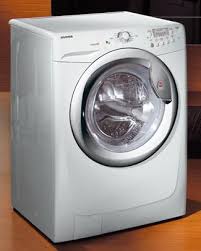 The Case for Upstairs The Case for Upstairs
- proximity to where the dirty clothes are removed and where the clean clothes need to be put away
- can tap into existing plumbing lines near the bathroom
- noise and vibration from the machines requires extra insulation and a motion-arresting pad
- if you are installing in a closet, you'll need a vented door and additional space around stacked machines to help dissipate heat from the dryer
- there is the risk of water damage to the lower floor...
For Those Who Prefer Downstairs
- convenience when doing other chores, such as meal preparation
- can tap into plumbing lines for kitchen or powder room
- laundry can pile up in common areas if not done and put away promptly
- a "mud room" setup allows you to drop those dirty sports and yard work clothes right by the machine and not mess up the rest of the house
Protect Against Floods and Fires, Upstairs or Down
- install braided steel washer hoses, which cannot split open like rubber ones
- seal the metal dryer-vent pipe with foil tape, rather than a plastic flex hose
- install a washer box which is recessed into the wall, so that water valves are easily accessible and hoses don't get jostled or damaged by getting squashed behind the washer
- keep your dryer vents clean of lint
- install an automatic shutoff valve, which cuts water to the washer if it detects a leak or a burst hose (about $145)
- install a washer drain pan to catch drips
|
|
Hanging a New Mirror or Picture?
Find the Studs Without a Stud Finder
| |
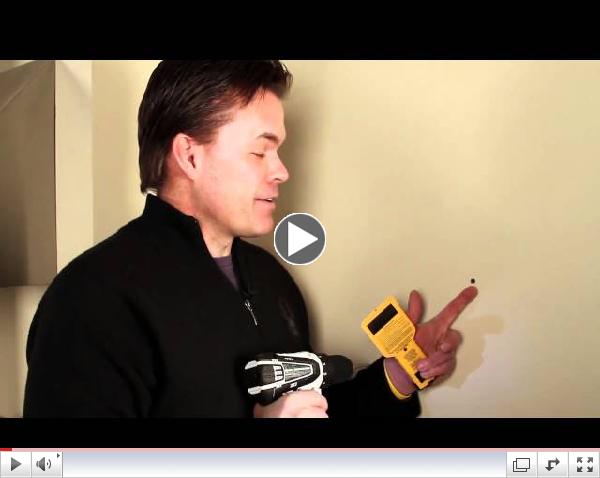 | | How To Find a Stud Without a Stud Finder |
This video is produced by a range hood manufacturer; however, he gives a good overview of how to find the studs
|