|

1. Use a clean air filter.
The air filter has the important job of preventing dirt, dust and debris from entering the engine. An air filter should be cleaned or changed every 25 hours or once per mowing season. Pleated, paper air filters must be replaced. Foam air filters can be cleaned with hot water and a small amount of detergent and then left to air dry before being saturated with engine oil and reinstalled in the mower.
RepairClinic has replacement air filters and helpful how-to installation information.
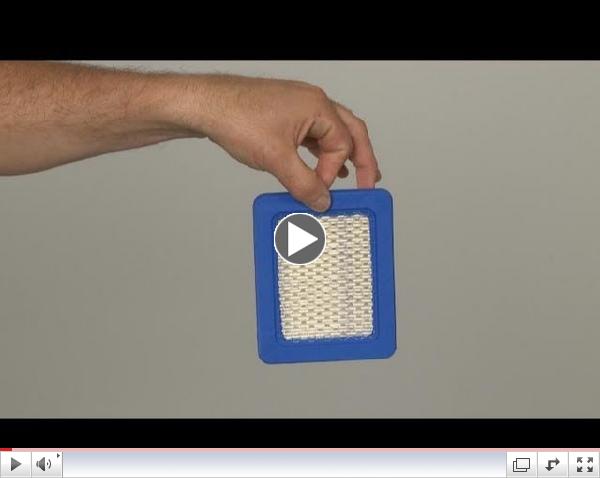 | | Air Filter Replacement (part #491588S) - Briggs and Stratton Small Engine Repair |
2. Use a clean fuel filter.
Fuel filters should be replaced; they cannot be cleaned. Your engine's owner's manual will provide instructions for this.
 3. Replace the oil. 3. Replace the oil.
Engine oil should be replaced at least once per season or every 25 hours of use. Every 8 hours of use, it's wise to check it. Like vehicle engine oil, it should be golden or amber in color. As it ages, it darkens.
Before replacing engine oil, check your mower's owner's manual for the recommended way to tilt the mower. It does vary from model to model.
Used oil should be recycled. Most small engine repair shops have a free recycling program for this. Call your local shop for more information.
Tune-up kits (a.k.a. maintenance kits) provide oil in the exact amount needed.
 4. Replace the spark plug
The tiny but mighty spark plug should be replaced at least one per season, even if it appears to be working fine. Over time, a spark plug's performance will degrade due to carbon build-up and a weakened electrode. This dramatically increases emissions, reduces engine performance and requires the engine to use more fuel.
Spark plugs are easy to replace and they are pre-gapped. Always use your engine manufacturer's recommended spark plug, as using an alternative model can be damaging. RepairClinic has how-to videos for spark plug replacement like this:
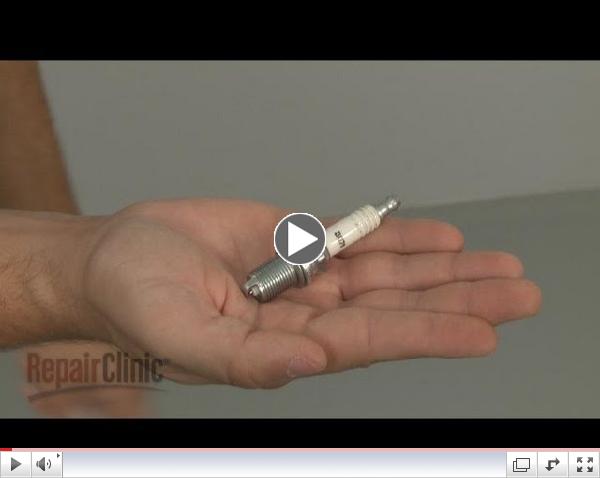 | | Spark Plug Replacement (part #25 132 12-S) - Kohler Small Engine Repair |
Enter your engine model number in the repair help section of our website for related videos.
You can find the spark plug engineered for your engine in a tune-up kit on sale now.
5. Check the blade.
A sharp blade is important to a proper cut. Dull blades tear the grass, rather than cut cleanly. Regularly check your blade for dullness and damage. Blades can be sharpened several times at small engine repair shops. A blade should be sharpened every season and replaced every one to three years, depending on usage. If you find any bends, dents and other damage to the blade, replace it right away. Such damage can cause dangerous accidents in operation.
Always, always, always use the manufacturer's recommended blade. A universal blade is not recommended, due to safety issues.
You can find the correct replacement blade for your model here.
6. Check tire pressure.
Periodically, use a tire pressure gauge to ensure consistent tire pressure. Tires with varying pressure will result in uneven or poor cutting.
7. Clean the undercarriage.
After every use, use a hose to remove grass clippings and debris build up in the undercarriage area. Be sure to turn off the mower and disconnect the spark plug, first. This will improve efficiency in mulching. Never use your hands or feet to clear this area.
| 


