| What's Growing This Week: | |
Potatoes
Salad Mix
Asian Pears
Cabbage
Beets
Carrots
Broccoli
Peppers (M,L)
Fennel (M,L)
Garlic (M,L)
Fuyu Persimmons (M,L)
Dino Kale (L)
Pomegranates (L)
Items may be substituted without notice.
|
|
Contact Us:
| terrafirmafarm.com
csa@terrafirmafarm.com
|
|
| CSA Rates 2011 | Boxes are charged on Monday for the week's deliveries at:
$14 Small
$24 Medium
$32 Large
For a payment of $300, get a 3% bonus. Your account balance will be $309.
For a payment of$850, get a 5% bonus. Your account will be posted as $892.00
For a payment of $1,400, get a 7% bonus. Your payment will be posted as $1,498.
Vacations are charged weekly when notice is given as a fee, no charges occur during the vacation week.
$4 Small
$8 Medium
$11 Large
|
|
|
Pledge of Authenticity
Terra Firma is a real farm. We grow 99% of the produce that goes into our boxes on our 220 acres of certified organic land in Winters. If we do buy produce from other farms, it's almost always from a neighboring farm and we give them full credit in the box list.
The owners of Terra Firma are involved in every aspect of making your boxes a reality: walking the fields, planting the crops, selecting and checking what goes in the boxes and finally delivering them to you. We eat the crops from our fields every day, just like you do. Thanks for supporting our efforts and enjoying the food we grow.
Paul, Pablito, & Hector
|
Payments, Billing, and Changes
| Schedule vacations, change box sizes, make payments or sign up for autopay by logging in to your subscriber account at terrafirmafarm.com
|
|
|
|
News From Terra Firma Farm
Community Supported Agriculture |
|
Greetings!
The first year I lived here in the Sacramento Valley, I watched in horror as all the grass turned brown in June and then yellow in July. Even worse was when the leaves on the native buckeye trees died and fell off the trees in August. As a native East Coaster, "fall" means orange and red, not brown. So I was thrilled when we started farming Persimmons ten years ago.
A true fruit of fall, persimmons don't start to ripen until nighttime temperatures dip into the 40s. As the fruit colors up, the leaves turn the same color: yellow, then orange, and finally red just before they fall off.

Some years we are still harvesting fruit after the leaves fall off. Although I had never eaten a Fuyu Persimmon before I moved to California, I've come to appreciate them now both for their distinctive flavor and for their beautiful foliage. We're wrapping up harvest this week but you'll see probably see them in your box at least once more after this week. Thanks, Pablito |
|
Thanksgiving Delivery Schedule: IMPORTANT!
That's right, Turkey Day is just two weeks away. As we always do, we will be drastically re-arranging our delivery schedule to accommodate the holiday and get everyone a box in time for the celebration.
If you pick up your box on Wednesday, you can skip to the next section of the newsletter. Your box will be delivered as usual on Weds., November 23rd.
If you pick up your box on Thursday (SF) or Friday (Davis, Sacto), please note the following change: Your box will be delivered on Tuesday, November 22nd.
We understand that many people will choose not to receive a box during the holiday week. However, if you plan on taking a vacation that week, you must let us know by Friday, November 18th. Due to the compressed schedule Thanksgiving week, we begin preparing to pack the boxes on Saturday instead of Tuesday.
Note: credits will not be issued for boxes delivered Thanksgiving week that are not picked up.
|
|
Beets 101
We've been growing Beets for a long time at Terra Firma, both for our subscribers and for the other outlets we sell to. For years we noticed there were people who loved them and people who did not. So we were always careful not to include them in the CSA boxes too often. Small boxes in particular almost never got beets, the assumption being that most of those subscribers would not know what to do with them.
Well, beets have come a long way in the last few years. It's hard to have a nice dinner out any more without seeing a beet salad on the menu, and with the assistance of talented chefs (professional and amateur), many diners have come to realize that they really like a vegetable they used to hate. Since beets grow quite well here almost all year round, we are more than happy to try to keep up with the increasing consumption.
Beets are in the all the boxes today, including the Small boxes (thanks to request from several subscribers). They are topped and loose instead of bunched with the greens. That's because the windstorm last week literally scorched many of the leaves, rendering them unuseable. It will be at least a month before we have bunched beets again.
If you are a Beet beginner there are several ways to prepare them, each with a totally different result:
1) Roasted: Trim the rough top and "tail" off your beets. Scrub them lightly, cut them in half from top to bottom, then cut each half into 4 or 5 slices (you can also roast them in larger pieces or even whole). Brush them with olive oil, salt and pepper and then bake them in a single layer on a baking sheet at 350. Flip them after 15-20 minutes and continue baking until they are crisp but not browned. Remove from the oven and drizzle with lemon or lime juice. Toss them in a salad or just eat them. Cooked this way they are slightly crispy and pleasantly chewy.
2) Steamed: If you prefer your beets velvety tender, you can steam or boil them, then rinse in cool water and peel the skins. This is also the way to prepare beets for soup such as borscht.
3) Raw: If you are seeking maximum roughage with a minimum of preparation, you can grate your beets raw and toss them in a salad. Eaten raw, beets are both extremely sweet and slightly astringent. Combining them with other grated or shredded vegetables like carrots, cabbage, or fennel helps balance them out.
4) Juiced: Finally, if you have no time to eat but want to consume your beets anyway, simply throw them in a (heavy duty) juicer along with an equal amount of carrots and then drink them. Adding a bit of lemon juice or a small piece of fresh ginger adds a nice zing.
|
,
In your BoxesFennel is another specialty vegetable which is becoming increasing popular and well known. In the same family as celery and carrots, "Finocchio" as it is known in Italy is also related to the wild fennel that grows all over the Bay Area. However, vegetable fennel has been bred to produce a thick edible bulb that forms just above ground. While celery can't seem to handle the climate in our part of the Central Valley -- it's both too hot in the summer and too cold in the winter -- fennel does fairly well this time of year. Of course, bulb fennel does have a light anise or licorice flavor and aroma. This flavor is most pronounced when the vegetable is eaten raw, but even then it is still quite subtle. Sliced thinly and tossed with a light lemony vinagrette, the flavor is pleasantly refreshing. If you find the anise flavor of raw fennel too strong, try sauteing it with onions and carrots as you would use celery. There, the licorice taste will disappear completely, leaving an aromatic backdrop for a soup, stew, or risotto. You can also roast fennel with other vegetables. Because it is so sweet, it caramelizes beautifully, but it should be parboiled first to soften it slightly first. When preparing fennel, make sure to separate the sheaths so you can remove the dirt that collects between them. You will probably also want to remove the core -- which is slightly woody -- unless you are cooking it. If you've never done this before, check out the video below.
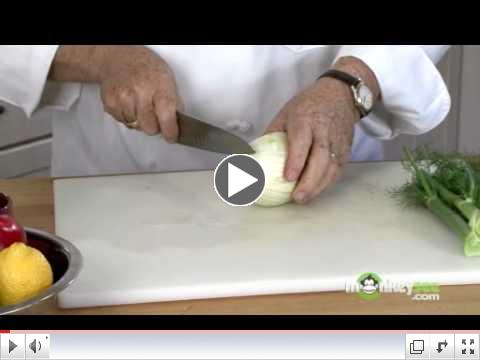 | | How To Cut Fennel |
We're waiting for the citrus season to begin at Terra Firma. The first of the Satsuma Mandarins are just starting to turn color and sweeten up, and may be ready to pick next week. We'll need a few dry days to get in and harvest though, and that might cause some delay.
|
Recipe -- Fall Confetti Salad
I apologize if this recipe seems terribly simple, but this week's box does have plenty of ingredients for a great shredded salad. You can use any three of the four vegetables listed.
Cut 1 head of cabbage into quarters. Finely shred one or two of the quarters to make 3 C.
Trim 3 carrots and 2 beets. Separate a fennel bulb into sheaths and rinse 4 of them.
Grate the carrots and the beets. Thinly slice the fennel and then cut the slices in half.
Make a viagrette with 6 T. olive oil, 4 T. lemon juice, 2 t. stoneground mustard, and salt and pepper to taste.
Toss all the vegetables together and allow to sit for 10 minutes before using.
|
|
|
|
|


