|
Join Our List

|
|
Visit Us On Facebook, Twitter & YouTube:
  
|
|
|
|
What do you
think of our first newsletter?
We appreciate your feedback & suggestions.
Thank you!
roseg@coacancer.org
|
|
|
|
|
|
Hello:
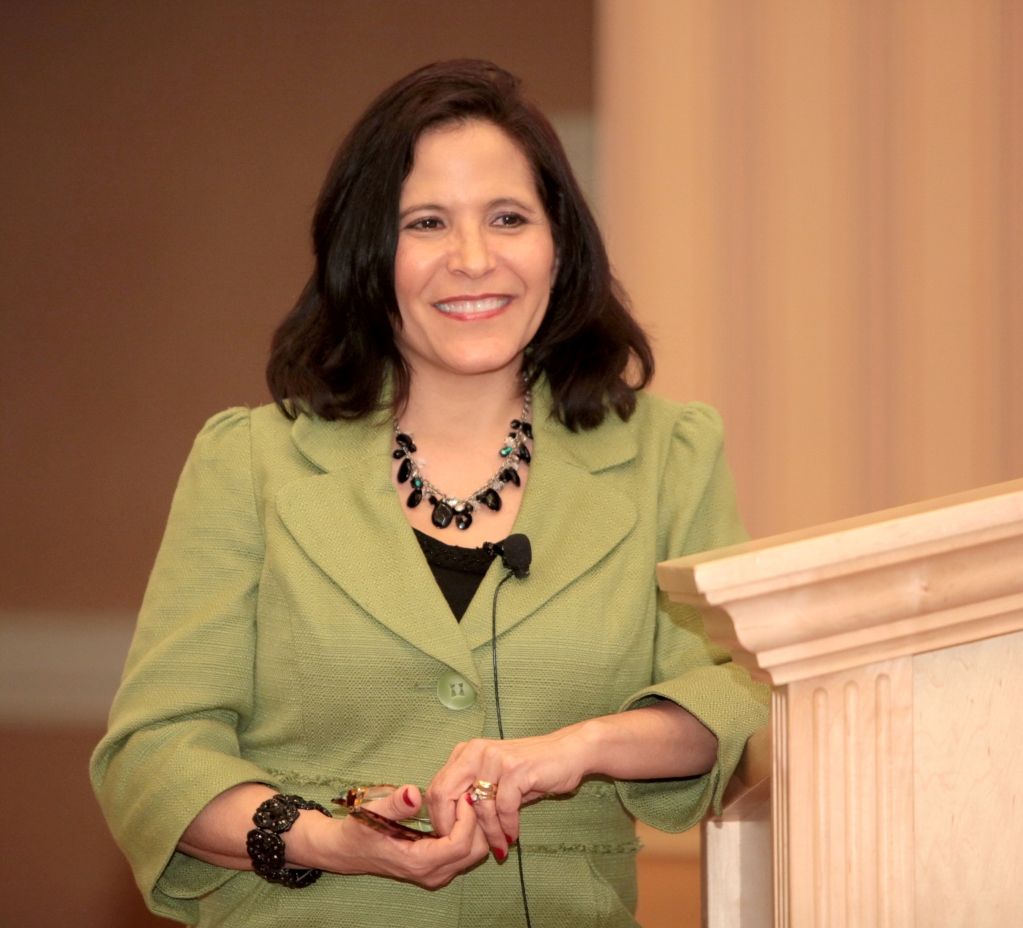 I hope you enjoy our introductory quarterly newsletter. In this issue, you will be provided with a broad overview of the Community Oncology Alliance (COA) and the Community Oncology Alliance Patient Advocacy Network (CPAN). I hope you enjoy our introductory quarterly newsletter. In this issue, you will be provided with a broad overview of the Community Oncology Alliance (COA) and the Community Oncology Alliance Patient Advocacy Network (CPAN).
You will meet some of our wonderful advocate volunteers. I hope that you will be inspired to learn more about our patient advocacy efforts. CPAN is a relatively young organization (launched in 2010) with a lot of exciting opportunities going forward. Please visit our main website www.CommunityOncology.org to gain additional background on COA's mission and history. Also visit our patient advocacy website at www.coaAdvocacy.org.
We are looking for interested advocates from across the U.S., and there are a range of opportunities. I would love to hear from you.
|
|
Sincerely,
Rose Gerber
Director of Patient Advocacy/9-Year Breast Cancer Survivor |
| About The Community Oncology Alliance (COA) & COA's Patient Advocacy Network (CPAN) |
 The Community Oncology Alliance (COA) was established in 2003 to advocate on behalf of cancer patients and their oncologists. COA was founded by community oncologists in response to the Medicare Modernization Act of 2003, which planned cuts to oncologist reimbursement, a move that directly and negatively impacts patient care. COA members are community cancer centers, oncologists, nurses, practice administrators, and pharmaceutical partners. The Community Oncology Alliance (COA) was established in 2003 to advocate on behalf of cancer patients and their oncologists. COA was founded by community oncologists in response to the Medicare Modernization Act of 2003, which planned cuts to oncologist reimbursement, a move that directly and negatively impacts patient care. COA members are community cancer centers, oncologists, nurses, practice administrators, and pharmaceutical partners.
Nearly 84% of cancer patients are treated in a community cancer clinic. (Other types of care environments include state and regional hospitals and academic based cancer centers.) 
The Community Oncology Alliance Patient Advocacy Network (CPAN) was created to include the patient voice. CPAN has a unique leadership team. Rose Gerber, a cancer survivor, is CPAN's Director of Patient Advocacy and Rick Frame, MD, serves as CPAN's Medical Chariman.
To learn more about CPAN's leadership team, click here. |
| Report From Capitol Hill |
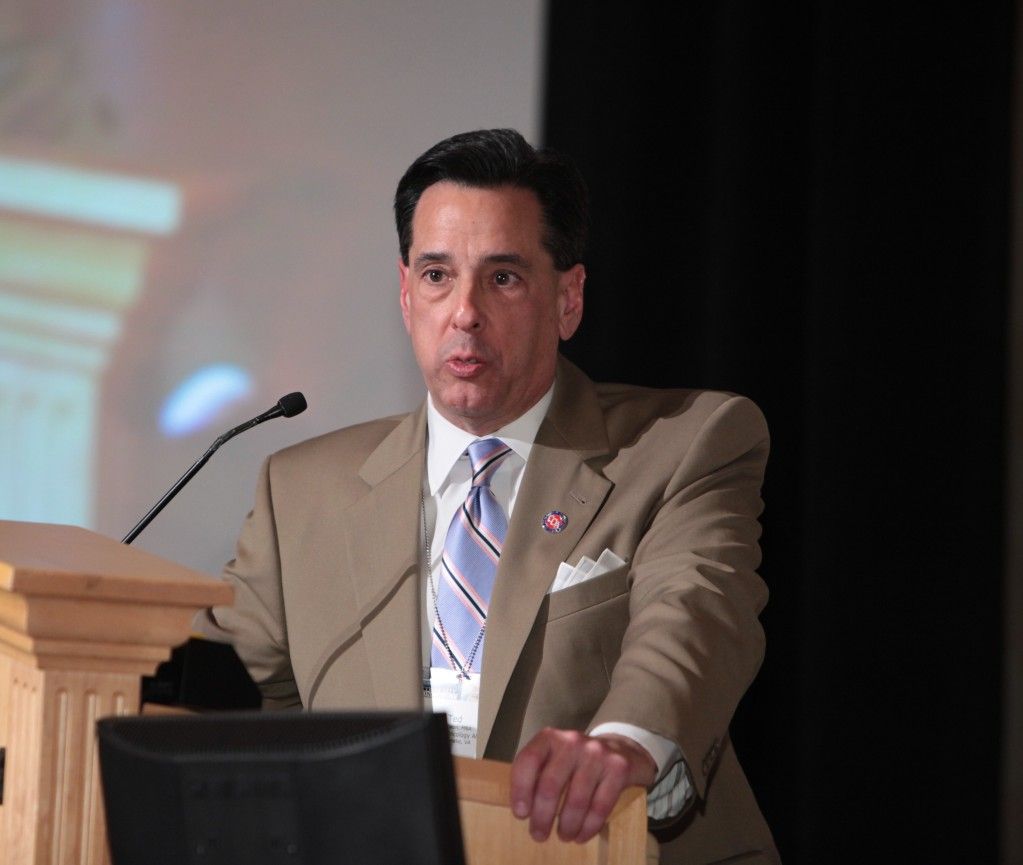 In addition to his steady presence on Capitol Hill, COA Executive Director, Ted Okon, travels across the United States speaking to various audiences about national oncology issues. In addition to his steady presence on Capitol Hill, COA Executive Director, Ted Okon, travels across the United States speaking to various audiences about national oncology issues.
No Rest for the Weary When Cancer Care Is at Stake
Come up to Capitol Hill some day and you can see firsthand how active COA (the Community Oncology Alliance) is advocating for cancer care. That is because there are so many legislative issues that impact cancer care, we simply cannot afford to rest.
We applaud all of the advocacy efforts aimed at finding the "cure" for cancer. However, there is a cancer "care" crisis unfolding and it does not get enough attention, even by the large, national cancer advocacy groups. So, that is where our focus is-on the "care."
One of the most alarming problems is a national shortage of certain chemotherapy and associated drugs used in cancer treatment. For the most part, these shortages relate to generic injectable drugs, which are at low cost but are mainstay therapies in cancer treatment. Past President of COA, Dr. Patrick Cobb and I have both testified to Congress on this crisis, and we have supported testimony with background research showing that the root cause is economic.
Many people don't realize that Medicare pays for roughly 50% of cancer care. Given its clout, what Medicare does, insurance companies tend to follow. When Medicare changed how it pays for cancer drugs, it set in motion what we refer to on Capitol Hill as "unintended consequences." The first was pressuring community cancer clinics to reduce staff, close centers, and consolidate into hospitals. This step had an impact on cancer patients, especially those in rural areas. The second problem Medicare created was drug shortages, caused by Medicare destabilizing the pricing for cancer drugs.
In addition to testimony, the COA team has been working with members of Congress in the House and Senate on a bill that would fix the drug shortages. To date, Congress has only focused on dealing with the symptoms of the shortages, not the underlying cause. Imagine an oncologist treating only cancer symptoms and not the cancer! The COA team's job is to focus the attention of Congress on actually fixing the drug shortages.
COA spends a lot of time on Capitol Hill educating members of Congress on a range of topics impacting cancer patients and their care. In addition to the drug shortages, topics include clinic closings and the impact of a changing cancer care delivery system on increasing costs of treatment for cancer patients. The health care reform law is on our list as well, as the positives in the law for cancer patients are in stark contrast to the problems in the law that can negatively impact patients. Additionally, we are trying to be proactive in ensuring the strength of cancer care for generations to come by being problem solvers on Capitol Hill. We are spending a lot of time explaining our Oncology Medical Home model for care and how it benefits patients.
At times, it gets tiring advocating for cancer "care" on so many different pressing issues. However, when I look at the hours my wife (an oncology nurse) puts in actually treating patients, I am humbled. Just as the oncology care team tries to do its best in providing treatment, the COA team tries to do its job in making sure that generations of cancer patients to come can get the best, most affordable care close to home in their communities. We do everything to support the "cure" of this terrible disease while working tirelessly advocating for the "care."
|
|
Physician Advocacy Perspective | |
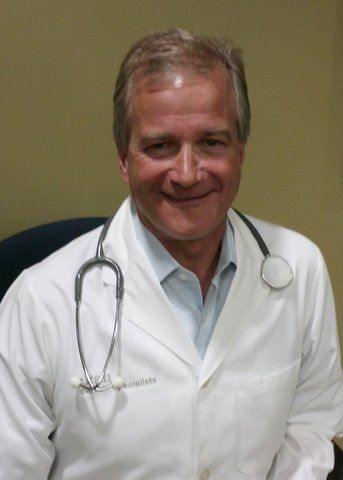 Rick Frame, MD/CPAN Medical Chairman, is a full-time practicing medical oncologist at Utah Cancer Specialists, in Salt Lake City. Rick Frame, MD/CPAN Medical Chairman, is a full-time practicing medical oncologist at Utah Cancer Specialists, in Salt Lake City.
Daily patient interaction provides Dr. Frame with unique insight into the important role physicians can play in patient advocacy. Dr. Frame routinely reaches out to his physician peers across the country to motivate and encourage their advocacy efforts.
An example of Dr. Frame's patient advocacy is reflected in this story of his patient, Brenda Olson and their experience with drug shortages.....
Read Full Article |
| Advocate Volunteer News | |
Patient Advocacy Conference
In March, cancer survivors and advocates from across the U.S. convened in Las Vegas, Nevada, for CPAN's 2nd Annual Patient Advocacy Conference. Special guest (back by popular demand) was Utah Attorney General, Mark Shurtleff, a very inspirational cancer survivor. CPAN's conference program ran parallel to COA's 8th Annual General Conference Session. COA's general session attendees included physicians, nurses, practice administrators, and various industry partners.
In addition to networking opportunities, advocates enjoyed two days of learning about a variety of national oncology issues. A sampling of sessions included: How Cancer Patients & Nurses Can Collaborate in Advocating for Cancer Care and Understanding the Business Side of Patient Care (What Goes on Behind the Scenes of a Community
Cancer Clinic).
A very special session was the CPAN Advocate Volunteers in Action Panel, where CPAN leaders shared stories of their various advocacy roles.
A conference publication will be released and posted on our website at a later date.
- Alaska: Shelley Romer, State Chapter President*
- Connecticut: Donna Palumbo, Eastern Connecticut
Hematology & Oncology - Florida: Jeri Francouer, State Chapter President*
- Georgia: Monica Thompson, CPAN Advocate Communications Chair. Read Monica's story here.
- New York: Shai Gavi, DO., MPH, Practice Chairperson, North Shore Hematology & Oncology*
- North Carolina: Cory Novak, Practice Volunteer at Lake Norman Hematology & Oncology, North Carolina*
- West Virginia: Brett Wilson, State Chapter President*
These individuals join CPAN advocate volunteers and volunteer leaders from across the U.S. including:
- Georgia: Susanne Johnson-Berns, Georgia State Chapter President. Read Susanne's story here. Susanne's volunteer story can be found below in the Advocacy Spotlight section within this newsletter.
- Utah: Sheril Bolliger, Practice Chairperson, and Monica Shane, Practice Co-Chair at Utah Cancer Specialists. Read Sheril's story here.
* Stories will be available on our website at a later date.
CPAN is actively recruiting advocates from across the U.S. to support our patient advocacy efforts. Opportunities range from general volunteers (no experience required) to various levels of leadership responsibility (dependent on prior advocacy experience).
Advocate Volunteer Opportunities
- CPAN General/Community Volunteer - No experience required
- CPAN Practice Volunteer (individuals affiliated with a community cancer center - present or past) - No experience required
- CPAN Practice Chairperson - Advocacy experience required
- CPAN State Chapter President - Extensive Advocacy experience required
To learn more about becoming a CPAN volunteer, visit our Get Involved Section to sign up as a volunteer and/or reach out to Rose Gerber, COA's Director of Patient Advocacy at roseg@coacancer.org.
|
| Advocacy Spotlight | |
Susanne Johnson-Berns shares her experience as CPAN's Georgia State Chapter President.
Susanne Johnson-Berns
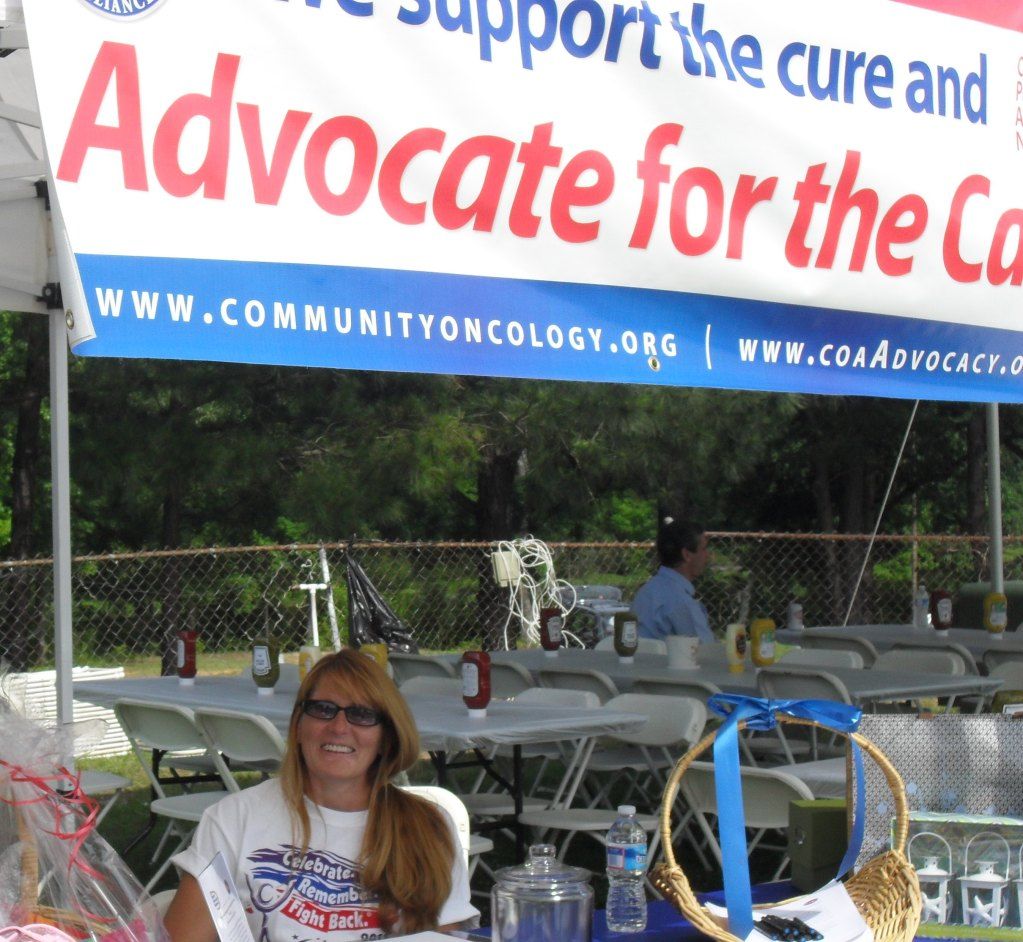 Since the inception of the Georgia State Chapter Presidency, I have led volunteer enrollment and legislative involvement with great enthusiasm and equally enthusiastic results. Since the inception of the Georgia State Chapter Presidency, I have led volunteer enrollment and legislative involvement with great enthusiasm and equally enthusiastic results.
One of my first advocacy action items was contacting my House Representatives and State Senators. By reviewing their hometown schedules, I was able to attend town hall meetings and gain face-to-face time with them to ask questions like "How will you ensure the Stop to Physician Payment Cuts for the future? How will you help preserve access to cancer care?" I also familiarized myself with the names and positions of the political staffers and aides; I discovered that usually they are the key to receiving a positive reception at meetings. It helps to walk into a town hall meeting and be able to walk over to the secretary to the representative and address her or him by name. Doing your homework on the issues they represent and stand for may be very time consuming, but I found it absolutely critical to success.
In my role as Georgia Chapter President, I seek out other key organizations that represent cancer patients and survivors. I have contacted their leaders to bring the issue of access to care to their attention. Before I reach out, I research their missions and seek out similar goals and agendas to connect to them and begin dialogue, and it has granted me access to participate and speak at their functions to bring more awareness to COA/CPAN and the cancer care in crisis issue.
I now have standing invitations at several organizations to attend their regular meetings to collaborate on the issues. My main responsibility as Georgia State Chapter President is to create awareness of CPAN, recruit other advocate volunteers, and support COA/CPAN directives. By the end of the year, my goal is to participate in regular meetings at the state capitol building in Atlanta with all GA House Representatives and Senators. This allows me to share COA/CPAN messaging with Georgia decision makers.
In my continued efforts to raise awareness and recruit new advocates, I have stayed involved in events that promote cancer-related agendas. There, I am surrounded by individuals who have experienced cancer themselves or are caregivers. Such individuals clearly understand the CPAN message and are quick to acknowledge the crisis surrounding community oncology.
I have recruited 70 CPAN advocates from Georgia, and my work continues.
|
|
Advocacy Partner News
| |
COA would like to thank Vital Options International (Selma Schimmel, CEO/Founder, and Terry Wilcox, Producer) for its participation at COA's Annual Conference in March 2012. Vital Options International produced 10 educational videos featuring COA members discussing a multitude of cancer care advocacy issues.
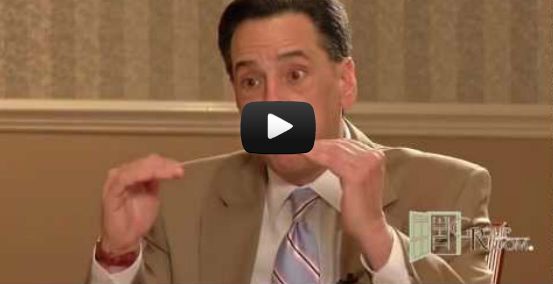
Ted Okon: How The Community Oncology Alliance (COA) Is Working To Make a Difference
|
| Partnership & Corporate Member Opportunities | |
COA and CPAN provide great opportunities for interested patient advocacy organizations and corporate members.
To Learn More About Patient Advocacy Opportunities and Collaboration Opportunities, Contact:
Rose Gerber, COA Director of Patient Advocacy at roseg@coacancer.org
To Learn More About COA's Corporate Membership Opportunities, Contact: Mary Kruczynski, COA's Director of Policy Analysis at maryk@coacancer.org
To Learn More About COA's Administrators Network (CAN) and COA's Oncology Medical Home Initiative, Contact:
Bo Gamble, COA's Director of Practice Initiatives at bgamble@coacancer.org
For General COA Inquiries, Contact:
COA Executive Assistant, Jennifer Foth at jfoth@coacancer.org
|
| Upcoming Events |
September 20, 2012:
COA Community Cancer Care Day on Capitol Hill
Join cancer communities from across the United States in advocating for community cancer care. Florida and Ohio will attend with special delegations.
October 24, 2012:
COA and Vital Options International to Host Cancer Care Advocacy Forum
COA and Vital Options are hosting a one-day Cancer Care Advocacy Forum in Washington, DC. Event details & registration will be available on our websites at a later date.
March 2013:
CPAN 3rd Annual Conference - Dates & Location TBA
|
Action Items - Quick and Easy!
| |
Join Our Email List
Interested in Volunteering?
Explore Our Patient Advocacy Website
Explore COA's Main Website
Follow COA on Facebook
Follow Ted Okon, COA Executive Director, on Twitter - @TedOkonCOA
|
|
|