The Design of Low Maintenance
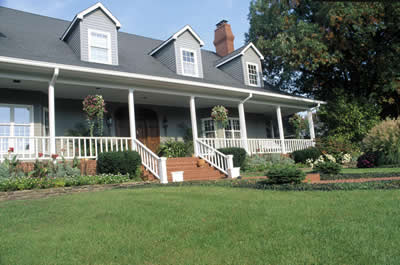 The plant world is very diverse with different sizes, colors, textures, flowers and shapes, that you don't need to sacrifice year round interest for low maintenance. You just need to invest a little time to start your yard off in the right direction to being low maintenance. The following design tips are to reduce your trimming, mowing and weeding workload.
Have Healthy Plants
A well-fed and hydrated plant is a healthy plant. Get on a routine schedule with a slow release fertilizer (lasts 6 to 8 weeks) and you only need to feed 3 times a year. This builds tough, healthy foliage to better resist bugs, weather conditions and diseases. Water your soil to be moist down to 12 inches deep, where the roots are. Finally, if you train your plants to be watered in longer intervals but less frequently they can handle summer heat better.
Reduce Lawn Square Footage
Lawns give the impression of being low maintenance but in reality they need to be mowed weekly, fertilized regularly, edged and watered like clockwork. A lot of time in a week is dedicated to keeping the grass in check. Compared to a well-designed flowerbed, which only needs to be worked on every 2 to 4 weeks.
Select the Right Plant for the Place
The right plant for the space is easy to find in today's garden world. If you select a plant that won't over grow the space, be too tall or wide, and handle the conditions of the spot; you are going to have less work keeping it happy. Most nursery stock has tags or signs talking about their mature size and preferred growing conditions: for trees its 30 years, for shrubs its 10 years and for perennials its 3 to 4 years. A plant that fits the bed doesn't need to pruned or trimmed regularly to keep it from getting too big. As for the conditions of the garden bed choose a plant that likes the light, moisture (how is it irrigated) and wind exposure of the bed.
Keep it Simple
Trimming plants to be perfect squares, circles or animals takes a lot of time; if you want to reduce your maintenance load dump the unnatural shapes. If you invest the time, you will be able to find a plant to gives a great shape and when mixed with other plants; awesome curb appeal happens.
Don't over plant a flowerbed
If you provide enough room for the plants, to only touch at maturity, this allows for airflow between plants to keep diseases from developing; reducing your potential need to spray. It also reduces your time to prune so the plants don't look overgrown.
Proactive Weeding
Some people enjoy pulling weeds as a stress reducer but too many weeds is stressing. Use a 2 to 3 inch deep bark mulch or rock with a good grade of landscape cloth; this will choke most weeds out. A good grade of landscape cloth is one that you can't see light throw. If you see light through the weeds can grow through. Once the flowerbed has been established you can apply pre-emergent herbicides like Preen, Corn Gluten (organic) or Amaze as directed on their labels. These products form a crust to prevent weeds from germinating without harming your plants. For best results with pre-emergents: first remove all weeds and their roots; spread the product as directed to its label; water it in for at least a half hour; then when the soil is disturbed reapply the pre-emergent again.
Finally don't sweat the small stuff
You and everybody else don't have the time to keep everything perfect so don't worry about it. If plants are space, watered and well fed they will look great. A spent flower or rogue weed can be dealt with on your schedule.



 about frost. Also tomatoes, peppers and other warm loving veggies.
  Have a plant question related to anything gardening? The Master Gardener's will be out to answer your questions regarding plant, bug, and disease identification. As well as lots of gardening questions you might have. Come any time between 9 and 2. If you want to bring a sample please put it in a resealable bag to keep it contained. This is a great opportunity to get questions answered!

