Happy New Year and I hope yours is off to a great start with a focus on the important priorities in your life. With the death of a friend, sudden life changing diagnoses of some acquaintances in my age range, and the changes that life normally brings, I have been reminded that nothing stays the same. It all inspires me to open completely to each and every day, living it to the fullest and focusing on what is really important.
Recently, I have had several patients being treated for thyroid disease who decided to stop their medication abruptly. As a result, they experienced upsetting physical effects. So, I want to dedicate this newsletter to re-visiting thyroid treatment, and hopefully we'll avoid more of these incidents.
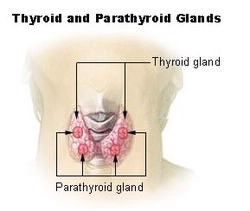
The thyroid gland is a butterfly shaped gland in the front of our throats - part of our anatomy that rises and falls every time we swallow. This gland is responsible for controlling metabolism, regulating energy levels and body temperature and weight, supporting healthy hair, skin, and nails, preventing depression, facilitating good sleep and normal GI function, and promoting good orgasms along with vaginal moisture and healthy libido levels.
Over the past decade or two, we have seen a tremendous rise in the number of people with low thyroid function, called hypothyroidism. Women far outweigh men in numbers, but by mid-life both sexes need to be screened for this hormonal imbalance. If our thyroid is not functioning at normal levels, our whole system is out of balance and all other hormonal systems are negatively impacted. One significant disease risk is our incidence of heart disease which rises dramatically in hypothyroidism.
Though not as common as low thyroid, high thyroid function (hyperthyroidism) is also a health risk and needs individualized treatment. Symptoms often include a rapid heartbeat, anxiety or "hyperness," difficulty in slowing down, low weight, and an inability to gain weight.
Testing needs to go beyond the typical TSH test, and should also include Free T4 and Free T3, the less active and primary active thyroid hormones respectively. These levels need to be evaluated against the optimal values that are used in Integrative Medicine to ensure adequate thyroid function.
If you need medication, we proceed to increase the dosage slowly in a method called titration. Many of you have experienced this, and we have moved up with your dosage to a point where you feel better and have an increase in body temperature. We then document that you have optimized your thyroid function by doing a lab test about 6 weeks after reaching that dose. This provides information that gives us assurance that your risks of the effects of low thyroid are not present.
If you are diagnosed and treated for hypothyroidism in your teens and twenties, it may be possible to go off thyroid medication after a year of treatment and see if your thyroid gland is producing hormones at sufficient levels again. But this should always be coordinated with your health care provider and done slowly and with adequate testing.
At mid-life or beyond, it is rare that your thyroid will be able to produce hormones at an optimal level on its own once you go onto thyroid medication support. Therefore, you will maintain better function and disease prevention by staying on the medication.
Sometimes we have to change the type of thyroid medication for various medical reasons. This usually does not present a problem for most patients, and they actually feel better after an initial adjustment period.
If you suddenly stop thyroid medication, your body experiences a major hormonal imbalance. It can take a full 2-6 weeks to feel the complete effects as the medication clears from your body and you become dependent only on the sub-optimal levels of hormones that your thyroid gland can produce. This can have a major upsetting effect to all the hormonal systems of your body that can take weeks to get back into balance.
If your thyroid hasn't been checked in the past year, you should get that done. I also recommend that you keep up to date with the DEXSA bone density testing every two years or the NTX urine test. If you have a high risk for osteoporosis, you should alternate one of these tests every year. If you need an order for any of these tests, please call Lizzie at 396-5809.
Here's to a year of optimal thyroid function!

Jane Kennedy
Nurse Practitioner
Gordon Medical Associates
Please send your comments or questions to me at:
jane@gordonmedical.com