Health & Safety
eNews from GCC of PTAs
October 2011- Vol 2, Issue 3
|
|
|
|
|
|
| Dear Friends, | 
Welcome to the October issue of Health & Safety News.
There are so many exciting things going on in our community when it comes to connecting kids with healthy food! From school and community gardens to the Edible Schoolyard at the Greensboro Children's Museum, never before has there been such a multitude of opportunities to teach our children about where food comes from, how great unprocessed foods can taste, and how much fun it can be to grow your own food.
National guidelines are changing to bring healthier foods to our youth in the school environment. We are lucky to have a Student Wellness Policy that helps ensure that our kids are getting access to healthy foods and physical activity during each school day. We need to work together to ensure that these policies are being implemented in each and every classroom in Guilford County.
Remember that parents and teachers serve as role models too! Be sure to take part in PTA events that foster healthy lifestyles, as well as communicating with community leaders. Read on for some ways that you can get involved!
Article submissions for this newsletter are welcome from any non-profit organization. The deadline is the 5th of each month.
In Health,
Nancy Kondracki, MS, RD, LDN
GCC of PTA's Health and Safety Chair |
|
Halloween Health and Safety Tips |

For many people, autumn events like Halloween and Harvest Day are fun times to dress up in costumes, go trick-or-treating, attend parties, and eat yummy treats. These events are also opportunities to provide nutritious snacks, get physical activity, and focus on safety. Below are tips to help make the festivities fun and safe for trick-or-treaters and party guests.
Going trick-or-treating?
S: Swords, knives, and similar costume accessories should be short, soft, and flexible.
A: Avoid trick-or-treating alone. Walk in groups or with a trusted adult.
F: Fasten reflective tape to costumes and bags to help drivers see you.
E: Examine all treats for choking hazards and tampering before eating them. Limit the amount of treats you eat.
H: Hold a flashlight while trick-or-treating to help you see and others see you.
A: Always test make-up in a small area first. Remove it before bedtime to prevent skin and eye irritation.
L: Look both ways before crossing the street. Use established crosswalks wherever possible.
L: Lower your risk for serious eye injury by not wearing decorative contact lenses.
O: Only walk on sidewalks or on the far edge of the road facing traffic to stay safe.
W: Wear well-fitting masks, costumes, and shoes to avoid blocked vision, trips, and falls.
E: Eat only factory-wrapped treats. Avoid eating homemade treats unless you know the cook well.
E: Enter homes only if you're with a trusted adult. Otherwise, stay outside.
N: Never walk near lit candles or luminaries. Be sure to wear flame-resistant costumes.
Content Source: CDC Office of Women's Health |
|
|
|
|
School Wellness Policy Survey and Update |
 Get Healthy Guilford (GHG) is a community coalition whose mission is to reduce and prevent obesity through policy and environmental changes that increase healthy eating and physical activity among young people. Your participation in a BRIEF survey about the School Student Wellness Policy (IHB) will help us begin the process of improving the health of our children. This survey will take about 3 minutes to complete online. Your feedback will be kept private and confidential. We will share the compiled results without identifying any particular school or individual. *We are asking that school principals distribute this survey link to their staff, and that PTA Health & Safety Chairs or Presidents distribute it to their school's parents and fellow PTA board members-you may post the survey on your own website. Your support is needed in order for this effort to be successful! Survey data will be collected through December. *Take the survey today, and encourage your friends and colleagues to do the same! Wellness Policy Survey Help us provide our kids with a healthier environment in which to live and learn!--The Get Healthy Guilford Access to Healthy Foods Subcommittee Note: The Board of Education is currently accepting public comment on revisions to the district Student Wellness Policy. The policies and their accompanying procedure are posted on the district website for a 30-day public comment period, with comments to be sent to Policies on or before October 30, 2011. Review the proposed version here: Student Wellness Policy IHB Revisions. |
|
FoodCorps and School Garden Network bring Gardens to Guilford County Schools |
 The newly formed FoodCorps Advisory Council looks forward to the start of a great movement as it strives to make a successful impact in the lives of our students through gardening and nutrition education. This past spring, NC Cooperative Extension received a FoodCorps National Grant. The FoodCorps is a new, national nonprofit organization that seeks to combat childhood obesity while training the next generation of farmers and public health leaders. The mission of the FoodCorps Program states that through the hands and minds of young leaders, FoodCorps strives to give all youth an enduring relationship with healthy food. FoodCorps service members deliver hands-on nutrition education, build and tend school gardens, and bring high-quality local food into public school cafeterias. As we press forward with this program, we hope and expect that FoodCorps will have a significant impact on some of the most pressing issues of our time: childhood obesity, environmental sustainability, and the way we farm, eat and educate our youth. This program will bring school gardens to 10 High Point schools: five this year, and five more next year. Watch for additional details in future editions of this newsletter. For more information contact Shannon Wiley, Extension Agent, 4-H Youth Development The Guilford County School Garden Network now has a Facebook page! If you are on Facebook, feel free to post pics and garden news on our Facebook page!
Cynthia Nielsen, School Garden Network Coordinator, NC Cooperative Extension, Guilford County
The School Garden Network works to promote, support, and expand hands-on school garden programs in Guilford County. |
|
October is National Anti-Bullying Month: Cyber Safety 101 |  Kids of all ages are back in school (in many parts of the world, that is) and using PC's more than ever to prepare projects, play games, and connect with classmates. While the Internet is a limitless tool for children to learn and play, the fact is that kids often lack the knowledge they need on how to stay safe online, making young web surfers one of the most targeted groups by identity thieves and cyber criminals. With all of the other details to keep in mind as you help kids to get back in the swing of their daily school-time routines, online security might not seem like a priority. But, with new malware traps being set and online tricks being pulled, it's important to keep an eye on the ways you can help them to understand the threats they may face this season. To make it a little easier on you, we have created two cyber safety guides for you - one aimed at pre-teens and the other at the teen and college years. Have a look to find out how you can help to make the Web safer for the kids in your life. From Tots to Pre-Teens The Teen and College Years The Places They'll Go "It's 10 p.m. Do you know where your children are?" That catch phrase of the past still applies today. But now, in our increasingly tech-centered world, it may be more fitting to ask, "Do you know where your children are online?" The so-called "Internet generation" of today has grown up with computer technology as an ordinary part of everyday life. While young children and teens may be comfortable with their PCs, they are not immune to the boundless nasties of the Internet. Their online behavior may actually put themselves, as well as their families, at risk. The Web provides many benefits to young computer users; it's an important learning and research tool, not to mention a platform for socializing and games. In fact, almost 60 percent of children three years of age and older are using the Internet, according to industry reports. But, as is true in the real world, the cyber world carries a variety of hazards. What types of threats could they encounter as they navigate the Net? Online Predators The variety of Web applications (like social networking sites, online games, wikis, IM's, and other communication tools) means that the Internet is an effortless way for kids to meet old friends and make new ones. One danger that springs from this - usually at the forefront of children's online safety discussions - is cyber predators; these online intruders take advantage of the Web's openness and anonymity to prey on young people. Statistics from the National Center for Missing and Exploited Children show that about one in seven young people have received a sexual solicitation or approach while online. Cyber Bullying More than ever, children use the Internet to socialize and communicate with their peers. However, negative behavior that is carried out in the real world is not left offline. Statistics show that children may be more likely to experience online harassment from their peers, known as cyber bullying, than to be targeted by a stranger. According to i-Safe Inc., a non-profit group dedicated to Internet safety education, 42 percent of kids have been bullied online, and one in four have had it happen more than once. Inappropriate Content Another cause of concern is the inappropriate or even harmful content that the web may expose young surfers to, such as pornography and violence. Aggressive advertising and commercialism can be equally damaging. Messages targeting young people may attempt to persuade them to hand over money or information in order to get products that they want. In the wrong hands, personal or financial information can lead to invasive advertising, like pop-ups and spam, and even to identity theft. Stealthy Security Threats Sites that kids frequent may have advertisements popping-up regularly or attempt to download programs without your child asking for them. Novice computer users can easily be enticed to click banner ads and pop-up messages. It only takes one misguided click or website choice to infect your family's PC with malware, spyware, or a virus. On top of that, even the most mainstream sites are subject to covert attack techniques like SQL injections and drive-by-downloads. Malicious intrusions can lead to privacy invasions, compromised personal information, and financial loss. How can you minimize the danger of online threats and prepare young Internet users for wise Web use? The more knowledge children and teens have, the better prepared they will be to handle any type of online threat. Cyber bullying is a growing problem in today's online world. The Internet is fairly anonymous, which is appealing to bullies because their intimidation is difficult to trace, and things like rumors, threats, and pictures can spread like wildfire. For more resources visit: Cyber Bullying |
|
All about the Birds and the Bees |
 We all remember the "birds and the bees" talk with our parents and the awkwardness that was involved. Despite the discomfort you may feel talking with your kids about sex, it is extremely important. Children are bombarded daily with all sorts of sexual images in the media. Your kids want to know what you think. They need your help negotiating what they see and hear from friends, television, social media sites, and music. October is "Let's Talk" month. Take a few minutes this month to tell the kids in your life that you care. Offer to help them with relationship struggles or just let them know you are there when they have questions or need help. For information about how to talk with your kids about sex, visit the Guilford Coalition on Adolescent Pregnancy Prevention. But what if your child doesn't want to talk to you about sex? Many kids are too embarrassed to ask their parents questions they may have. Let's face it; talking about sex with children is not always an easy conversation on your end or theirs. The Adolescent Pregnancy Prevention Coalition of North Carolina (APPCNC) has created a unique service to help with this issue. BrdsNBz is a free text messaging service offered by APPCNC. Teens can confidentially text their questions about puberty and sexual health and receive medically accurate answers within 24 hours. The service is confidential, medically accurate, and nonjudgmental. BrdsNBz is available to anyone in North Carolina. To use it: Text "NC" to 36263 to opt in. You only need to opt in once. Text your question to 36263. You'll get an auto response and then your personalized answer within 24 hours. Give these instructions to your teen or post this article on your refrigerator. You'll feel better knowing your kids can access the information they need when they're not comfortable asking you. Jen Kimbrough, Guilford Coalition on Adolescent Pregnancy Prevention |
|
NCPTA Champions of Play Grant |
 The members of NCPTA across our state are committed to promoting healthy, active living for our students and families. NCPTA recognizes the tremendous efforts of many of our local PTA units to promote the benefits of play and physical activity with their programs. NCPTA is seeking out PTA programs to highlight and assist their efforts with a $500 Champions of Play grant. The grant winner will be spotlighted on our website and at the upcoming NCPTA Parent Education Conference in May. The grant applications will be accepted October 10th through November 4th, 2011. The application may be for a program you have already provided to your school community or for one that is being planned for later this school year. The event must take place between September 1st, 2011 and April 1st, 2012. The grant winner will be announced on November 14th. You may submit the grant by email with subject line to read Champions Grant Application before the close of business day on November 4th, 2011. Only those PTAs in good standing will be considered for the grant award.Champions of Play Grant Application |
|
Guilford Education AllianceUnitedHealthcare North Carolina Marathon |
 Are you a runner or walker? Interested in doing a 5K, 1/2 marathon or full marathon? Consider the 2011 UnitedHealthcare North Carolina Marathon in High Point on Saturday, November 19th! When you register, choose Guilford Education Alliance as a community partner! |
|
Child Care Professional Training Offered | 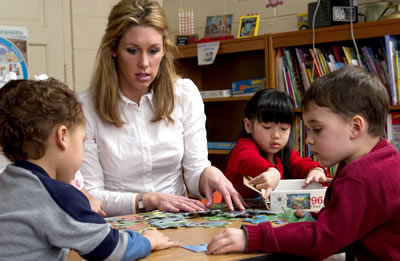 "Parents: Friends for Foes?" will be the topic of an upcoming training for child care professionals on Tuesday, November 15th at 6:00 to 8:30 pm held by Guilford County Cooperative Extension.The training will take place at the Guilford County Extension Office at 3309 Burlington Road, Greensboro. An additional training entitled "How to Get Parents on Your Team" will be offered on November 29th--same time and location. Participants attending both sessions will be eligible to receive .5 Continuing Education Units from North Carolina State University. The cost for the 2.5-hour training is $10. Licensed providers who live or care for children in targeted military-rich communities will be eligible for a sponsorship. To register contact the Guilford County Extension Office at (336) 375-5876. Deadline for registration and payment is November 11th, 2011. For more information, contact Shelia Dalcoe at (336) 375-5876. |
|
Eat Smart, Move More, Weigh Less Online |
 Eat Smart, Move More, Weigh Less is a 15-week, weight management program developed by nutrition and physical activity experts with NC Cooperative Extension at NC State University and the N.C. Division of Public Health. The program has been offered in an in-person format statewide since 2008 through local cooperative extension offices and health departments and continues to be available through this delivery method. In July 2009, grant funding from the NC State Health Plan for Teachers and State Employees (Plan) made it possible to offer the 222 in-person classes to nearly 4,000 Plan members. In early 2011 real-time, online classes became available to Plan members and now the online program is being opened to the public for the first time! "Offering the program online in real time with a live instructor has really proven to be an effective method to get this program to even more people," said Carolyn Dunn, Professor and Nutrition Specialist with NC Cooperative Extension, and the lead author of the program. "The live classes have been successful at helping people lose weight and learn new habits that will help them be healthier throughout their lives; we are pleased that those participating on-line do as well as those who participate in person." The Eat Smart, Move More, Weigh Less program uses strategies based in research that are proven to be effective in helping participants lose weight and improve blood pressure--two factors associated with improving health and reducing chronic disease risk. Each hour-long weekly session empowers and motivates participants to live mindfully as they make choices about healthy eating and physical activity. The program provides opportunities for participants to track their progress and keep a journal of healthy eating and physical activity behaviors. Eat Smart, Move More, Weigh Less is not a diet, but instead encourages small, manageable changes to eating and physical activity patterns that will help participants lose weight and maintain weight loss. Now enrolling for January classes! New classes will start each month! To learn more about Eat Smart, Move More, Weigh Less Online or to enroll in an online class, please visit Weigh Less . If you have questions about Eat Smart, Move More, Weigh Less Online, please contact Kelly Nordby. |
|
Q&A about Head Lice for Parents and School Personnel |
 According to the Centers for Disease Control and Prevention (CDC), "head lice can be a nuisance but they have not been shown to spread disease" yet when they show up in your home or classroom, you want them gone... and fast. Here are some basics on head lice, nits, and treatment for parents and school personnel by Guilford County Department of Public Health. What are lice and nits? Lice are tiny but visible insects. They live in hair and survive on human blood. The eggs of lice are called nits. Nits are extremely tiny and white, and they cling to the hair. The female louse attaches her eggs to the hairs near the scalp. The eggs hatch and leave empty nit shells on the hair. As lice mature, they begin laying more eggs. It takes seven to 10 days for lice to mature. Where do head lice occur? Lice outbreaks occur worldwide. They are common among young children and their close contacts. They are not related to poor hygiene. Routine hair care will not prevent or cure the problem. How are head lice spread? Lice are spread most of the time by head-to-head contact with a person with head lice or by contact with their personal belongings (such as combs, brushes, coats, hats, bed linens or towels) that have live lice or eggs on them. What are the signs of head lice? Lice and nits, although very small, can be seen in the hair and scalp. Nits may resemble dandruff. Itching of the scalp is very common, but with mild cases children may not complain. Irritation of the skin at the hairline and ears due to scratching may be present. Who should be treated? Treatment is recommended for persons with active infestation. All other household members and close contacts should be monitored but not treated unless lice or nits are found. Bedmates of the person with lice or nits should be treated. How is head lice treated? Medication in the form of shampoo or creme rinse is available both over-the-counter or by prescription. It is very important that medication instructions be followed exactly as written. Nit removal is also very important. The best way to remove nits following treatment is to separate hair into small sections and wet comb each section with a fine tooth comb. Clean comb after each section of hair is combed. Nits should be placed in a sealed trash bag. Nits can sometimes live through the treatment, then hatch and re-infest. Children may return to school after treatment with a significant amount (75%) of nits removed, however daily combing needs to be continued to remove ALL nits. If crawling lice are seen after full treatment, consult your health care provider. Retreatment is generally recommended but do not treat an infected person more than 2-3 times with the same medication if it does not does not appear to be working. Also do not mix lice treatments. Other Important notes: -Pregnant women and children under age 2 should check with their health care providers regarding treatment. -Children with asthma and allergies should check with their health care provider regarding treatment. -Excessive use of pesticide products may be harmful. -Itching or redness of the scalp may occur after using lice medication. Avoid contact with eyes. If shampoo gets in the eyes, immediately flush with water. After use, store product out of reach of children. If problem persists, contact your school nurse or health care provider. -No method is 100 percent effective. Remember the most important step in successful treatment is to remove all nits. Prevention and control measures in the classroom: -Hang or store coats and hats separately using assigned or labeled wall hooks, lockers, or cubbies. -Tuck hats and scarves into coat sleeves. -Teach students not to share hats, headgear, combs, brushes, bows, etc. --Avoid "dress-up" time or activities where clothes or hats are shared. Vacuum rugs or carpet daily. -Store sleeping mats or towels in individually student-labeled cubbies or plastic bags. Send these items home frequently for laundering. Store other personal items in plastic or paper bag labeled with students' names. -Clean headphones with damp cloth between students. -Investigate any student scratching his head. -Examine all classroom contacts if head lice have been confirmed. For more information including prevention and control measures at home contact the Guilford County Department of Public Health at (336) 641-7777, or the Centers for Disease Control and Prevention. |
|
New City Farmer Afterschool Drop-Off Program | |
 Tuesday afternoons 3-5pm through November 22nd Tuesday afternoons 3-5pm through November 22nd
Ages: K-5th grade
Cost: $10 per class OR buy a pass good for 11 classes for $100
This hands-on experience is set up to introduce your child to the amazing world of food! We will farm and cook at the Edible Schoolyard. Each week we will play in the garden and make our snack in the kitchen. Each day will be based around whatever is going on in the garden at the time! Greensboro Children's Museum
|
|
AAA School Safety Patrol Program in Your School |  Fall signals back to school for kids across the Carolinas and AAA's School Safety Patrol program helps to make their return a safe one. Fall signals back to school for kids across the Carolinas and AAA's School Safety Patrol program helps to make their return a safe one.
According to the National Highway Traffic Safety Administration in 2008, one in every five children between the ages of 5 and 9 who were killed in a traffic crash was a pedestrian. And a 2007 Safe Kids study shows that after-school hours and dusk remain the most dangerous times for child pedestrians, with 55 percent of fatal incidents occurring between 3 and 7 pm.
That's why traffic safety education is so important, both at school and at home. The AAA School Safety Patrol program educates kids on safety in and around school zones and patrol members learn leadership and organizational skills, responsibility and the importance of being a good role model. Safety supplies, such as belts, badges, flags and more, help to increase traffic safety awareness.
For more information on starting a AAA School Safety Patrol program in your school, to register your school, or to order supplies, visit Safety Patrol or call 866-741-6668. |
|
Sugar Sweetened Beverages |  In North Carolina, 32 percent of children and youth drink sweetened beverages such as soda, sweet tea, fruit punch, Kool-aid, sports drinks or fruit drinks at least once a day. Another 18 percent drink these beverages twice a day, and 19 percent drink them three times a day or more, according to the 2009 Child Health Assessment and Monitoring Program (CHAMP) data. North Carolina is working to make it easier for children to choose more healthful beverages. House Bill 1726 (Improve Child Care Nutrition/Activity Standards), passed in the 2010 Legislative Session, requires the North Carolina Child Care Commission to develop improved nutrition standards for child care facilities and recommends that the standards specifically address sweetened beverages. More information is available at Beverages. |
|
Fitness Comes First In School Pilot Program |  University researchers hope equipping local middle-schoolers with pulse meters, pedometers and other devices will encourage students to maintain fitness plans long after completing health and physical education classes. In June, the National Institutes of Health awarded UNCG a $1.3 million, five-year grant to create and test a new curriculum that bases exercises on health and science concepts learned in the classroom. The pilot project aims to help students better retain their lessons and increase the amount of activity they get in the school year. "This is not a sit-in-class type of curriculum," said Catherine Ennis, a UNCG professor of kinesiology who will oversee the pilot. "This is a curriculum where students will learn principles of healthy living while exercising." Teachers in Guilford County Schools, Surry County Schools, and Thomasville City Schools will start the new lessons in October. Ten Guilford middle schools either will use the new curriculum or be the control group: the Academy at Lincoln, Kernodle, Northern, Jamestown, Mendenhall, Aycock, Johnson Street Global Studies, Southern, Eastern and Welborn Academy of Science and Technology. Students at the schools typically rotate between sitting in health class for weeks at a time and learning fitness and sports-based skills in a gym or on a field. The new curriculum will blend the two for part of the semester: Students might create a fitness plan and then use it as a basis for their exercise for the day. Or they might measure and record their heart rates after different exercises. "Instead of just talking about it, reading about it and looking at pictures about it, they will have the chance to go out and do it," Ennis said. Each school will receive $1,500 a year to purchase devices that students and teachers can use to measure physical activity. And students will wear accelerometers that help the university track motion during the day, Ennis said. Schools will hold activity nights where family members calculate their body mass index or sample nutritious foods. The new curriculum represents a national shift away from physical education that emphasizes sports skills and competition between students to personal fitness. Educators now aim to give students the knowledge they need to take responsibility for their health. "We're trying to teach a lifelong appreciation of fitness," said Amanda Browning, a physical education teacher at Aycock Middle. "Every adult will not want to play soccer or join a basketball team, but they could be more willing to go to a park or gym and walk." Article from the News & Record. Contact Morgan Josey Glover at (336) 373-7078. |
|
Nancy L. Kondracki, MS, RD, LDN
Health & Safety eNewsletter Editor
GCC of PTAs |
|
|
|
|