|
|
Family Network on Disabilities
Back to School TIPS! |
|
|
Ready, Set, Back to School
Don't forget to complete basic tasks-checking to see if your child needs a physical exam, evaluating extra-curricular activities, and more-before school starts.
You've stocked up on crayons and No. 2 pencils, but are you really ready for the new school year? Between trips to the mall and baseball practice, have you forgotten anything? Use these guidelines to make sure you've covered all the bases. Read more:
|
|
|
Stop on Red, Kids Ahead
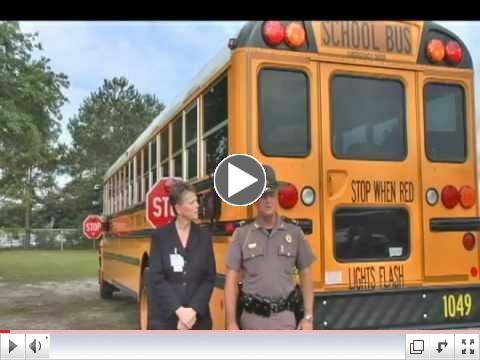 | |
Stop on Red, Kids Ahead
|
School and bus safety are critical, especially during this time of year. When driving to and from school and work, be sure to keep an eye out for students and school buses. Check out this video for information about how drivers, parents and students can stay safe on the road.
This video is courtesy of a joint project between the Florida Department of Education, Florida Department of Highway Safety and Motor Vehicles and the Florida Department of Transportation.
|
Back-to-School Transitions: Tips for Parents Getting a new school year off to a good start can influence children's attitude, confidence, and performance both socially and academically. The transition from August to September can be difficult for both children and parents. Even children who are eager to return to class must adjust to the greater levels of activity, structure, and, for some, pressures associated with school life. The degree of adjustment depends on the child, but parents can help their children (and the rest of the family) manage the increased pace of life by planning ahead, being realistic, and maintaining a positive attitude. Here are a few suggestions to help ease the transition and promote a successful school experience. Read more: |
|
Making the First Day Easier
 Remind your child that there are probably a lot of students who are uneasy about the first day of school. Teachers know that students are anxious and will make an extra effort to make sure everyone feels as comfortable as possible.
Point out the positive aspects of starting school: It will be fun! She'll see old friends and meet new ones. Refresh her positive memories about previous years, when she may have returned home after the first day with high spirits because she had a good time.
Find another child in the neighborhood with whom your youngster can walk to school or ride with on the bus.
If you feel it is appropriate, drive your child (or walk with her) to school and pick her up on the first day. Read more: |
Bullying Bullying is when one child picks on another child repeatedly. Bullying can be physical, verbal, or social. It can happen at school, on the playground, on the school bus, in the neighborhood, or over the Internet. Read more:Before and After School Child Care - During early and middle childhood, youngsters need supervision. A responsible adult should be available to get them ready and off to school in the morning and watch over them after school until you return home from work.
- Children approaching adolescence (11- and 12-year-olds) should not come home to an empty house in the afternoon unless they show unusual maturity for their age.
- If alternate adult supervision is not available, parents should make special efforts to supervise their children from a distance. Children should have a set time when they are expected to arrive at home and should check in with a neighbor or with a parent by telephone
- If you choose a commercial after-school program, inquire about the training of the staff. There should be a high staff-to-child ratio, and the rooms and the playground should be safe. Read more:
Developing Good Homework and Study Habits
- Create an environment that is conducive to doing homework. Youngsters need a permanent work space in their bedroom or another part of the home that is quiet, without distractions, and promotes study.
- Schedule ample time for homework.
- Establish a household rule that the TV set stays off during homework time.
- Supervise computer and Internet use.
- Be available to answer questions and offer assistance, but never do a child's homework for her.
- Take steps to help alleviate eye fatigue, neck fatigue and brain fatigue while studying. It may be helpful to close the books for a few minutes, stretch, and take a break periodically when it will not be too disruptive.
- If your child is struggling with a particular subject, and you aren't able to help her yourself, a tutor can be a good solution. Talk it over with your child's teacher first.
|
Check-Ups and Immunizations It's a good idea to take your child in for a physical and eye exam before school starts. If your child will be participating in a sports activity, your family doctor may have to sign a release form to permit your child to participate. Most schools require your child's immunization shots are up-to-date. Remember that each state has different immunization requirements. Let your healthcare provider know if you have any questions or concerns about the vaccines your child is scheduled to receive. School entry may require documentation of immunization records. Find out what your child's school requires and bring any school forms for your healthcare provider to fill out and sign. Be sure to keep your own copy of any records. Failure to keep immunizations up-to-date could prevent your child from attending school.Read more: Plan Healthy Breakfasts and Lunches As you prepare to send your children back to school, remember that nutrition is an important factor in academic performance. Studies have shown that children who eat healthful, balanced breakfasts and lunches are more alert throughout the school day and earn higher grades than those who have an unhealthy diet. Get tips on healthy eating. |

10. Get your child excited about going back to school by talking with them about it.
9. Go school supply shopping with your child and let them choose the school supplies that they want.....within reason of course!
8. If your child receives transportation, make sure it's arranged in advance and that your child is fully informed so that they are comfortable with it.
7. Start adding more structure to your child's daily routine, such as an earlier bedtime, so that the first week of school isn't so traumatic.
6. Research grade level standards for your state in order to prepare your child for what they will be learning in the new school year. If your child is working on a modified curriculum familiarize yourself with the differences.
5. Read your child's current IEP again and create a list of accommodations and services. Provide a copy of this list to the teacher.
4. Photocopy your child's IEP and hand it to the teacher the first day of school. This is very important because the beginning of the school year is usually quite chaotic and the teacher may not receive a copy from their office for a couple of weeks.
3. If you have an annual IEP to be held early in the school year, make sure an assessment plan is created and signed in a timely manner.
2. Arrange a parent/teacher conference to discuss your child's strengths, disabilities, accommodations, services and personality. Many special education children have idiosyncrasies that the teacher should know about.
1. Create a service log of your child's services so that you can track compliance and periodically ask the School for their logs to double check accuracy.. Always remember that you have a legally binding contract with the School District and if your child does not receive their services, you have a right to ask for replacement hours.
|
|
Back to School for Kids with Special Needs For lots of folks, there's a happy rhythm to the last weeks of summer. Sure, there are still plenty of long, lazy days; but with a new school year around the corner, it's also time for new notebooks, new outfits, and new adventures to come. A fresh start! What could be more exciting? Unless, of course, you're a child with special needs. Whether they're dealing with severe or even mild disabilities, these kids often find life chaotic, challenging, and anxiety provoking-even when they're in familiar surroundings. To them, the "excitement" of a new year is anything but; it can feel like a long list of threats! Fortunately, says Rick Lavoie, M.Ed., author of It's So Hard to Be Your Friend, parents can be a big help. And even if you have a "typically developing" child, don't be surprised if Lavoie's practical tips work just as well. After all, any child can worry about change. The key, he explains, is both simple and complex: to "prepare the situation for the child, and the child for the situation." Here are his five practical tips: Click to read more:
|
 
|
|
|
|
|
|


