Weekly Vegetable Insight -- Cabbage 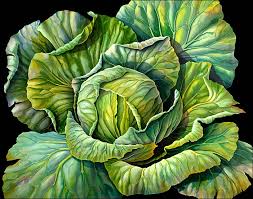 Cabbage is a very old vegetable. Here are some interesting tidbits (from davesgarden.com, wikipedia.com). Cabbage is a very old vegetable. Here are some interesting tidbits (from davesgarden.com, wikipedia.com). -Romans were advised to eat cabbage soaked in vinegar before a night of heavy drinking. Oddly, their hangover remedy was to eat cabbage as well! -Caesar's armies carried cabbages for food and to cover wounds to reduce infection -- modern studies back that idea up...cabbage has antibacterial and anti-inflammatory properties -Danish were probably the originators of coleslaw -- cabbage='kool' and salad = 'sla'. -Over time the vegetable became more humble and was rumored to cause the plague. This didn't stop hungry Irish, Scandanavians, Germans, and French from literally living on the stuff. -Cabbage is a cross cultural crucifer. Sauerkraut and coleslaw originates in Europe. Colcannon in Ireland. Stuffed cabbage in Hungary and Kimchi in Korea. Nutritional info: One serving of cabbage contains: -1/2 of the Vitamin C you need for the day -Lots of Manganese, Iron, and Vitamin B6 -Lots of fiber, low in calories Storage and handling: Keep in your fridge. To keep for a long time (month or so), put into a plastic bag and in the crisper drawer. Or if you have a root cellar, that's a good place too. Preparation: Carefully cut out as much of the stem as you'd like and chop away! Serving suggestions: Boiled, steamed, slaw, sauerkraut, colcannon. Butter and vinegar, yum. Recipe: Norwegian Style Sauerkraut. (Surkål) 1 ½ pounds of cabbage -green or red 1 or 2 apples 2 tsp salt 1 tsp caraway seeds 1 scant cup of water 2 Tb vinegar 1 Tb sugar Shred the cabbage into strips about ¼" wide Cut apples into wedges Place cabbage, apples and seasonings in pan Pour water over. If red cabbage is used, be sure to add vinegar at the start of cooking to retain the bright color. Simmer covered for 30-45 minutes until cabbage is tender. Adding a bit of water if necessary to prevent sticking. The dish should have a tangy sweet/sour taste. Enjoy cabbage. | 


 Fall and wintertime planting strategy is one of the final pieces of the puzzle for completing a successful growing season. Each year I've taken notes on planting dates that work and don't work and things that can handle the harsh and cold winter weather and come out in February or March looking strong. During the next week or so, we'll plant the things that will be harvested before the last CSA distribution. When we plant things with the intention of lasting throughout the winter, we call this overwintering. Most successfully, we've overwintered carrots, lettuce, chard, and sunchokes. Each of these plants goes dormant in an adolescent growth stage and when the daylight increases it begins growing again. Our high tunnel will soon be planted with other winter crops to keep us harvesting throughout the winter. Perhaps if we can master this wintertime planting we could one day continue our CSA through the winter! Until then, we'll work on our fine tuning and when you're really craving your veggies, you can dine at the Hil or the Farmhouse in Serenbe.
