Serenbe Farms

  CSA Newsletter and Recipes (year)6-(week)23


September 27th, 2011
Farm Update


      Five inches of rain!  We had a massive amount of rain on Thursday night this last week.  The gauge at the farm reads 5.0 inches.  What does this mean for us?  Well we really needed some rain.  The water helped get our fall cover crops established, our cucumbers are growing like crazy, and so are the weeds!    

    Other exciting news includes our episode of Growing a Greener World airing on Saturday.  If you missed it on the tube you can view it online at the following address.  www.growingagreenerworld.com  The episode is on young farmers specifically in Georgia.  Jenny Jack farm was featured along with us.  The episode touches on why we all became involved and where the future of the movement is going.  I hope you enjoy it!


Winter Cover Crops    

  We've learned from previous newsletters that cover crops are all around a good thing for the soil.  They deter disease, hold soil in place, add organic matter, and many other things.  At this point in the season we are looking to establish cover crops that will thrive through the winter and be tilled in next spring.  Once tilled next spring these areas will host all of our spring crops.  So this means how good of a job we do cover cropping will effect next year's spring brassicas, squash, and potatoes. We can look for cover crops to increase organic matter, nutrient content, and scavenge for minerals. 
   When choosing a over-wintering cover crop we think of several factors.  One - What will reside in this area next spring?  Two - How early in the spring we need to work the area?  Three - Which grass/legume will work?
   By determining what we will plant there the following year we can tailor the cover crop to provide most specifically what that particular plant needs.   When trying to decide how early we need to work the land we refer to our crop plan.  It seems simple to figure out exactly when to work an area, but doing it in harmony with nature can sometimes prove tough.  We have to work around the weather, soil moisture, and all the other environmental factors.  Also, we take into account when we want the crops to be ready for CSA and try to stagger them to ensure diversity.  
  Figuring out specifically what to cover with is the best part.  In our current arsenal we have oats, rye, vetch, clover, and peas.  We have to determine which of these to use and at what rate.  The selection of which to use is based on the above factors and many times we mix more than one grass/legume in the same area.  The rate at which these seeds are sown is determined by the amount of area to be covered and general recommendations on the seed bag.

   It is a thoughtful process when deciding which cover crop to use.  They do provide more than erosion control which surprises most people and play an integral part in the next seasons crop.    You can cover crop small areas too!  Don't be afraid to use cover crops in your home garden.   


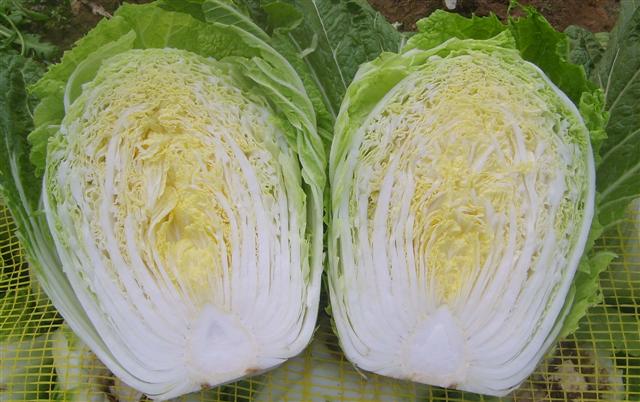
Weekly Vegetable Insight -- Chinese Cabbage/Bok Choy


Chinese cabbage roughly defines a few varieties of green leafy goodness from napa cabbage to the white ribbed choy varieties.  


Storage and handling: Store refrigerated in container or bag. 


Preparation: Raw or cooked these leafy greens are packed with excellent flavor.  Try the salad recipe.


Nutrients: Tons of vitamin A and C


Recipe 


Ingredients:

4 Tbsp apple cider vinegar

1 Tbsp sesame oil

3 Tbsp sugar

1 tsp ginger

1 apple, or canned fruit like mandarin oranges

1 medium head chinese cabbage

1/3 cup golden raisins

minced onion

2 Tbsp chopped fresh cilantro or other herb

1 Tbsp toasted sesame seeds or sliced almonds

sliced radishes


Method:

Combine vinegar, sugar, oil and ginger in large bowl; stir until sugar dissolves.  Stir in fruit.

Add cabbage, raisins, onions, cilantro, and sesame seeds; gently stir until well combined.

This is also a great make-ahead dish: cover, refrigerate overnight, and the cabbage softens slightly and the tangy flavors blend even more.

Be creative and try variations.


This week's share
(this list is subject to change): 


beans!

cucumbers!

Summer squash and/or zucchini!

Chinese Cabbage or bok choi (can be eaten raw or cooked)

1 bunch of radishes or sweet turnips

lettuce or arugula

1 bunch of greens (collards or chard)

Sweet potatoes or winter squash 
 
Garlic


Sweet peppers


Eggplant

And possibly more...we'll see what tomorrow brings!


Become a fan of 

Serenbe Farms on Facebook

Where you can:
-see our recent photos
-learn about events
-share recipes 
Links
www.serenbefarms.com

www.georgiaorganics.org
www.slowfoodatlanta.org
RECIPES are found here: www.serenbefarms.wordpress.com


Submit any favorites for the blog to info@serenbefarms.com.