Things that can be planted now:
Kale-this one is easy to start  from seed and transplants are widely available. Plant spacing is about 1' apart from one another for large leaves and can be grown closer for baby kale. Red Russian and Winterbor are two nice varieties. Red Russian is colorful and has broad leaves while Winterbor grows more upright and has dense, crinkly leaves. Kale needs more nutritious soil to produce nice plants, but it will tolerate some shade. Annual.
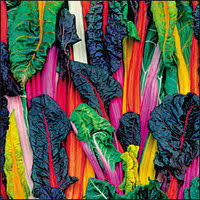 Swiss Chard-easy to start from seed and plants are widely available. For a good, colorful Swiss Chard, I'd recommend Bright Lights or Rainbow Mix. The seeds result in a mix of colored plants, red, orange, yellow, white, etc. Swiss chard can tolerate some shade but also likes ample nitrogen to grow nice leaves. Spacing is similar to the Kale. Annual.
Chives-these take a long time from seed, so I'd recommend buying the plants. Chives make a great border for gardens, helping to deter pests. They form clumps and can be grown as a perennial. They have lovely blooms that taste great in tempura. The full flowers are beautiful as well.
 Creeping Thyme-can be planted from a plant. This plant grows great between stones or pathways creating a low blanket effect (that tastes great!). Can tolerate some shade. Perennial.
Things to plant this winter or spring:
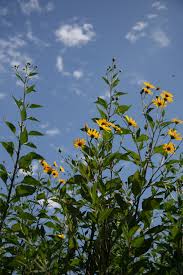 Sunchokes (Jerusalem Artichokes) -place the seed piece (about the size of a very small egg) about 2" deep into the soil. These plants don't need much in the way of soil quality, but they do need a sunny location. They get to be up to 10' in good soil and produce beautiful yellow flowers all over the plant. In the fall, the roots grow and you can dig sunchokes to eat all winter long. They do become slightly invasive if you leave any roots behind (but they're easy to weed). Spacing, about 2'. Annual, but self seeding.
Figs, other fruit or nut trees-Make sure you plant these where you'll want them for a long time. They mostly do well in full sun. Ison's is a great nursery about 1.5 hours South. They have fantastic specimens. Don't forget to prune!
To plant after frost date (April 15th):
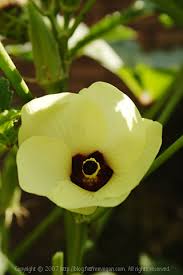 Okra-very easy to grow from seed. Either start indoors or directly seed into your garden. Different varieties of okra grow to different heights. Okra needs full sun and should be spaced about 1.5-2' per plant. Okra is in the hibiscus family and grows beautiful flowers. If you let the pods remain on the stalk, they make a gorgeous dried flower. Try Hill Country Heirloom Red or Red Burgundy for a neat red variety. Annual (seed is very easy to save).

Hot Peppers-plants are widely available. Takes a while to start from seed. Hot peppers definitely need full sun and depending on variety need 8-12" between plants. There are many hot peppers great for ornamental plantings. One of my favorites is the Chinese Five Color Pepper. The peppers go from green to purple to yellow to orange to red. Fish Hot is another neat pepper, it has variegated leaves. Annual.
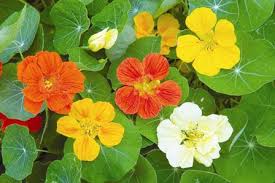 Nasturtiums-a great edible flower and salad green (and a great way to impress your salad eating friends). Nasturtiums do not need much in the way of soil; too much nitrogen will get you a huge plant with no blooms. The trailing varieties can be trellised or put in hanging baskets. The bush varieties can be spaced about 6" from one another to form a nice carpet. Self seeding Annual (and easy to save seed).
Peanuts-peanuts are easy to grow from seed. Wait until the soil is warm (around the first of June) and pop some raw peanuts (or peanut seed) into the ground (without shell, skin ok). Plant seeds about ¾" deep and about a foot from one another. They've got a beautiful green color with yellow flowers and grow in a bush form. I think they're beautiful! In the fall, when they die down, dig up their roots to find a delicious treat. Annual (very easy to save seed).
Good Resources for Organic Gardening:
Websites
www.caes.uga.edu/extension - UGA Extension
www.attra.org - ATTRA (National Sustainable Ag Service)
http://tinyfarmblog.com/ - Small farmer blog
http://www.garden.org/home - National Gardening Association
Books:
The New Organic Grower-Eliot Coleman
Four Season Harvest-Eliot Coleman
Square Foot Gardening-Mel Bartholomew
How to Grow More Vegetables (on less land)-John Jeavons
Seed Starters Handbook-Nancy Bubel
Root Cellaring-Mike and Nancy Bubel
Growing Great Garlic-Ron Engeland



