The Beauty of Heirloom seeds
I've always been interested in plant genetics, origin, and variety. Recently we had a moment to visit our friend at the old Redwine plantation home. While there we got to see some very old pictures from the early 1900's of tractors, fields in cultivation, and the most exciting thing watermelons the size of small livestock. Well they weren't that big but the picture was of a party at the plantation home with about 20 folks in the picture all holding watermelons that were so big they covered up much of their arms and torso when held up. It became my quest to determine [and grow] the variety. After pondering what variety it could be for many months I finally found the answer. While visiting a friend this weekend I ran into someone who used to live near the plantation home. He informed me that the variety was a watermelon called 'Stone Mountain'. It was typically a 30 plus pound fruit and was grown for the commercial market. It was introduced in 1923 by Hastings Seed in Atlanta, GA. It was known for having a thick rind which aided in it being shipped. It's flavor is known for 'being the way watermelon should taste.' The Redwine plantation in particular is known for being 10,000 acres at it's biggest point and well known for watermelons [although another farm held the prize for the earliest each year]. He also told me about a year when the drought was very bad and that many watermelon and turnips were planted in the river bottoms and surprisingly resulted in 50 to 60 lb melons that year. With such a deep history and wonderment I had to see if the seed still was available. The 'Stone Mountain' variety is still available today! And we may decide to grow it next year. But there is a more important back story here that is greater than my amazement at our agriculture history. The most important point is that without diversity and stable genetics in crops our ability to grow food literally forever could be at risk. Also, our ability to grow food that can adapt to it's environment is at risk. It's been evident from the potato famine to the recent rise in organics that healthy seeds and plants are extremely important. Besides the soil and water needed to grow plants the genetics are the most important part and effect everything from taste to yield. Why is it important to grow heirloom seeds? Heirloom seeds have the ability to adapt to the growing conditions and become resistant to diseases and pests that can affect them. This allows next years growing stock to be better, more disease resistant, and more 'primed' for its environment. This is important to us because it keeps the seeds genetics alive. I like to think that we don't just grow the plant for a year but we treat the plant like a living organism and the seed stage is just one of its many lifeforms. This allows us to carry on the life of many plants and ensure that we can feed ourselves for EVER not just the next year. We grow many different heirloom varieties in multiple crops. You may now ask what is the difference between heirloom seeds and hybrid seed. I'm sure you've heard both terms especially in the tomato world. A hybrid seed although it can be saved does not provide a solid backbone of genetics for it's progeny. There are other differences which are important but not for the scope of this article. Of note... The Stone Mountain variety almost became extinct because of the many hybrids in mass-production after the early 1900's but has been saved by a few breeders and is now available online at rareseeds.com. 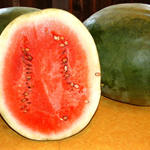
| 


