DAILY DOSE
CoQ10 and Heart Health
Just as we need energy to perform at our best, so do our cells.
One of the keys to keeping our cells full of energy is Coenzyme Q10 (or CoQ10). CoQ10 is "phenomenally important and pretty miraculous stuff," says ABD pharmacist Greg Boucouvalas.
Coenzyme Q10 is a vitamin-like substance produced by the human body. It is found in virtually every cell in the body and is necessary for the production of energy within the cell. It also functions as an antioxidant.
In healthy individuals, normal CoQ10 levels are maintained by intake of CoQ10 in certain foods (such as beef, sardines, and peanuts) and by the body's synthesis of the coenzyme. However, CoQ10 levels decrease with age, certain heart conditions, and chronic diseases such as cancer, autoimmune diseases, and diabetes. Some prescription drugs may also lower levels of CoQ10, and in these instances, supplementation of the coenzyme may help cells maintain proper energy function.
Significantly decreased levels of CoQ10 have been found in studies of a variety of diseases, but most specifically in heart disease.
Additionally, many drugs used to treat heart disease - such as beta blockers and statin drugs, those typically prescribed to lower cholesterol and improve heart health - actually interfere with the body's ability to produce CoQ10.
Taking CoQ10 supplements, however, has proven to help negate CoQ10 deficiency and improve the heart's ability to produce energy.
CLICK HERE
to keep reading the Daily Dose.
These statements have not been evaluated by the Food and Drug Administration.
| |
<NEWS>
Fish oil supplements linked to lower risk of breast cancer
A recent study from the Cancer Research in Seattle found a 32 percent reduced risk of breast cancer in postmenopausal women who took fish oil supplements.
While research has suggested that the omega-3 fatty acids found in fish may be
heart-healthy, this is the first study that suggested a connection between fish oil supplements and reduced
breast cancer risk.
The observational study is the first study to look at a link between fish oil supplements and
breast cancer risk. More studies are under way to look into the impact of omega-3 fatty acids and vitamin D on the risk of cancer, heart
disease and stroke.
Read the full article here.
| |
News from the Shop...

Introducing
The Foggy "Tea" Coast
Escape to the coast with our newest specialty PeRx drink! The Foggy Tea Coast contains the tea of your choice, steamed milk, and a flavor shot. With endless combinations and good-for-you antioxidants, it's a drink worth stopping in for. Start your day off with one or swing by for an afternoon treat. We look forward to serving you!

(Image by prozac1)
| |
Join our
online
Community

|

|
|
|
|
Greetings!
The popularity of our recent event with Dr. Shotz got us thinking about nutritional health and the importance of the what we put into our bodies. It's important to get more of the nutrients our bodies need and less of the chemicals and artificial substances that can hinder health. But accomplishing that goal - and navigating through all the information out there - can be difficult.
This month we offer some insights to help. Read on for tips from Dr. Shotz, info about heart-friendly Coenzyme Q10, a look at the value of organics, and some words of wisdom from our resident pharmacist.
Be well and healthy,
Catherine Cloudman and the Apothecary by Design Team
ccloudman@apothecarybydesign.com
|
Lessons Learned from a Whole New You
|
Tips from Dr. Shotz
Last month, Dr. Frederic Shotz stopped by the store to deliver a talk on how to Reset Your Body's Metabolism to Achieve a Higher State of Wellness and Permanent Weight Loss. We thought it worthwhile to share a few of his insights.

Top 8 Path to a Whole New You Tips:
1. Detoxify your lifestyle, get fresh air and sunshine, exercise regularly, reduce stress, and lose weight healthfully
2. Walk. The body was designed to live a long time with walking and it will help you live well into your 90s.
3. Reduce stress by grounding yourself. More than 80% of all physical illness is caused by stress according to the CDC. Take your shoes off and walk around on the grass to feel the earth daily.
4. Graze your way through the day.
5. Eat organic. Avoid chemicals and artificial ingredients 80% of the time. (See our Organic 101 below.) Also eat grass-fed beef, wild caught fish, and free-range chicken.
6. "There are no good new foods." Work toward a paleolithic diet - eat food that comes from a natural state. Eat more food raw, cooked lightly or steamed.
7. Reduce or eliminate simple carbohydrates (grains, starches, sugars) and eat lots of good fats. (Avoid vegetable oils and try coconut oil - it's good for those with Alzheimer's.)
8. Stay hydrated. Water is the best drink out there!
Dr. Shotz is a Doctor of Naturopathic Medicine and a leading practitioner of Maine Integrative Wellness. He specializes in holistic health and disease prevention.
|
Congratulations to Greg!

|
| This spring, Greg Boucouvalas, RPh, - our Apothecary by Design pharmacist and principal - earned his Masters in Human Nutrition from The Nutrition Institute at the University of Bridgeport. Greg has long specialized in science-based nutritionals and botanical medicines that help maintain health, and his most recent studies helped to further his expertise. In celebration of his new accreditation, we checked in with Greg and gleaned a few nutritional insights.
What did you enjoy most about your Masters experience?
"It's always productive to go back," he says of continuing his education. Greg received his Bachelor of Science in pharmacy from the University of Rhode Island School of Pharmacy in 1983 and as he's continually studying health and nutrition, he welcomed the opportunity to revisit biochemistry and pathophysiology. "The courses are still relevant today, he says. "All the basics still apply to the work I do every day."
What is at the forefront of your mind right now when it comes to nutraceutical news?
"That there is no magic bullet. I think the myths of health solutions have taken over a bit," Greg says. "With a wealth of information and news stories out there, we often hear one thing one day and another the next and it's confusing. Nothing is simple. For example, people often equate bone density with bone quality based on what they have heard and read. But they aren't the same thing. What good do dense bones do if they are still brittle? There are no easy fixes for many health issues. It takes a comprehensive approach to health to fix problems. Prevention and getting to the root cause of an issue is what's most important."
So how can we decipher what we hear?
"I recommend finding someone you can trust who keeps up on the latest research and science," Greg says. "Ask questions. Nutrient depletions and drug interactions are very important in health and treatment, and the more we know, the more we can help. I try to be proactive; sharing my knowledge with patients who are interested. I invite people to ask questions. My philosophy is to just plant seeds of advice with those interested and to encourage patients to look into things further."
What might you suggest as basic nutraceutical and nutrition advice?
"Get your vitamin D levels checked. Add fish oil to your regimen. And take a good multivitamin. Beyond that, I ask each individual patient about health and medical issues and we go from there," he says. "Quality is also key. If you are taking a supplement, it's important to know what's in it. For a multivitamin, you want to avoid anything with dyes and artificial substances in the ingredients. Also, look for a multi that contains vitamin E that is food based rather than synthetic."
(Read consumerlab.com's review of multivitamins here.)
Stop by the pharmacy counter to talk with Greg on your next visit.
|
| Organic 101 - Why buy organic?
"Organic refers to the way agricultural products are grown and processed. It includes a system of production, processing, distribution and sales that assures consumers that the products maintain the organic integrity that begins on the farm."
- The Organic Trade Association (OTA)
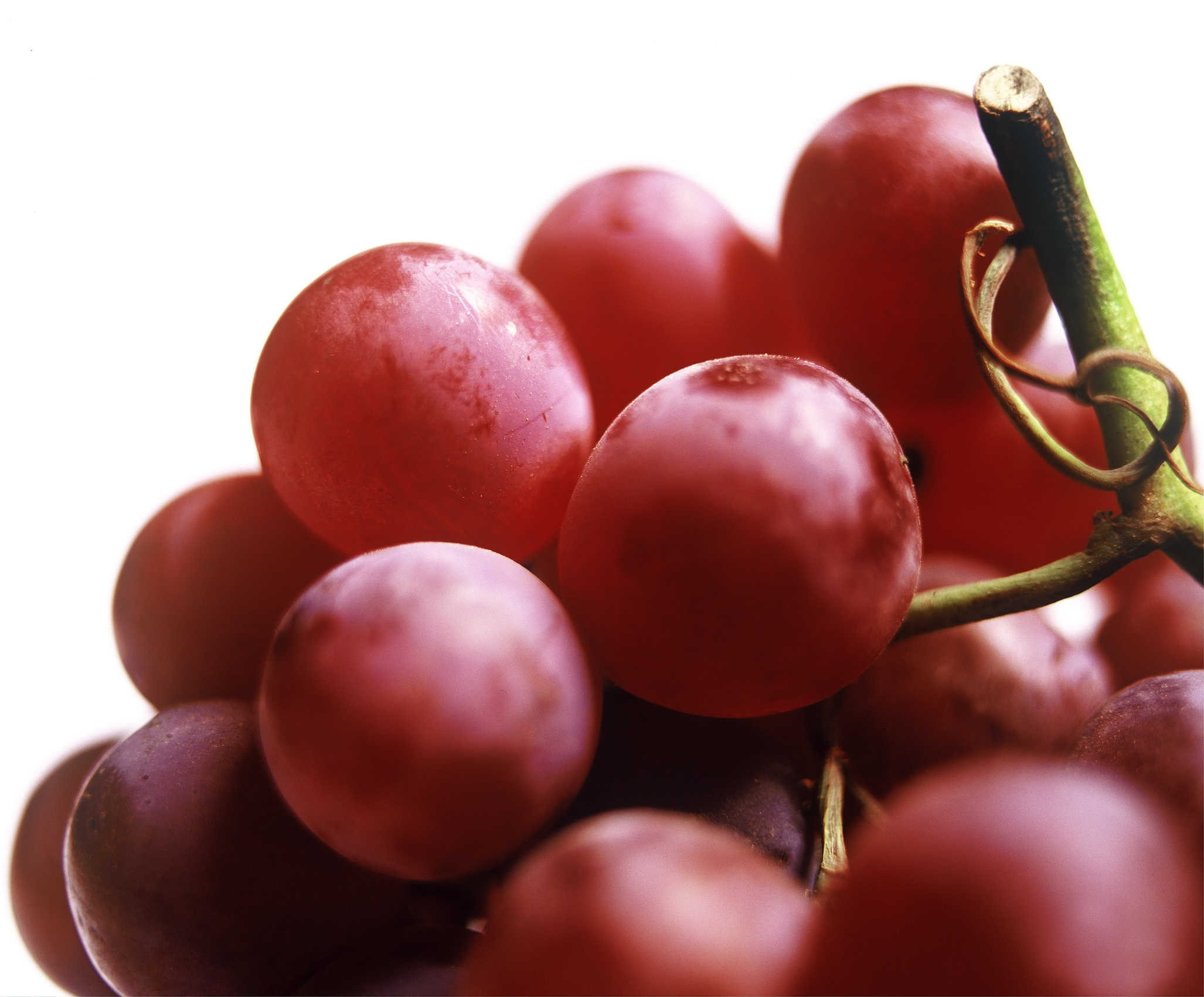 Organic has been at the forefront of the news more than ever recently, with multiple studies linking pesticides to health issues - from ADHD in kids to cancer in adults. Since Dr. Shotz advocated buying organic for your health, we thought we'd take a moment to provide an organic introduction and some resources for you to learn more. Organic means holistic management - producing food in a way that keeps health at the forefront from the minerals in the soil to the care of animals. The health of our food is determined from the soil up: healthy soil = healthy plants = healthy animals = healthy you!Organic means food is grown without hormones and fertilized naturally; pests are controlled without persistent toxic pesticides; farmers focus on animal illness prevention rather than treatment; and animals are given 100% organic feed and pasture and access to the outdoors. It's not just what organic isn't, though; it's what it is that is important. When you buy organic, you can be confident that you are minimizing your exposure to toxins and supporting sustainable agriculture.  Organic standards are strict. All agricultural products labeled "organic" must adhere to rigorous federal regulations, pass detailed inspections, and be verified as meeting all requirements by a third-party USDA-accredited certifier. Food products sold in the U.S. labeled organic must comply with U.S. organic standards. That means, if you see the USDA organic seal, you can rest assured that the product is indeed organic.
(The term "natural", or "all natural", however, is different. Whereas foods bearing the organic label are backed by a set of strict federal production and processing standards clearly defining organic, foods labeled as "natural" undergo no certification process, inspection, or quality assurance verification.)
|
|
|
|
|
|


