|
|
|
|
|
Better Health, Naturally!
|
|
|
|
|
|
Low Testosterone, Andropause, and Male Menopause
By Bernie Noe, ND
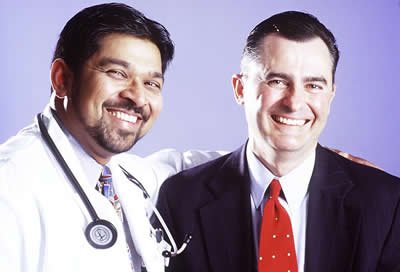 Phil's Story Phil's chief complaint when he first came to my office was severe fatigue, describing his energy level as a 3 on a scale of 1-10. He had no other significant complaints. He had not responded to oral testosterone treatment previously. Subsequent laboratory testing revealed low adrenal function and low testosterone, for which he was prescribed testosterone replacement therapy and an adrenal support formula. When Phil returned 6 weeks later, he reported that his fatigue was resolved with an energy level of 8 out of 10. Low Testosterone Low testosterone, also called "low T," "andropause," or "male menopause," is a common condition estimated to affect 5 million American men. While it is normal for testosterone levels to decrease with aging, some men experience greater declines than others. The most common symptoms of low testosterone are fatigue, depression, weight gain, erectile dysfunction, low libido, and loss of muscle mass. To continue reading, click here |
Cervical Cancer Screening
By Bernie Noe, ND  Each year approximately 12,000 women in the U.S. get cervical cancer. While all women are at risk for cervical cancer, most cervical cancer is caused by the human papillomavirus (HPV). HPV is a common infection passed from person to person during sex. At least one half of w omen who are sexually active will be infected by HPV at some point in their life, but only a small percentage will develop cervical cancer. Cervical cancer generally causes few or no symptoms until it is advanced, which makes regular screening for cervical cancer important. This is done with the PAP smear. A PAP smear is done during a pelvic exam by collecting cells from the cervix which are then analyzed in a laboratory for signs of cervical cancer or pre-cancerous changes that could develop into cancer. It is also possible to do a test at the same time to detect whether a woman has HPV and is thus at higher risk of cervical cancer. Only some types of HPV increase the risk of cervical cancer, and these are the types tested for. To continue reading, click here |
Do I Need to Call the Doctor for a Head Injury?
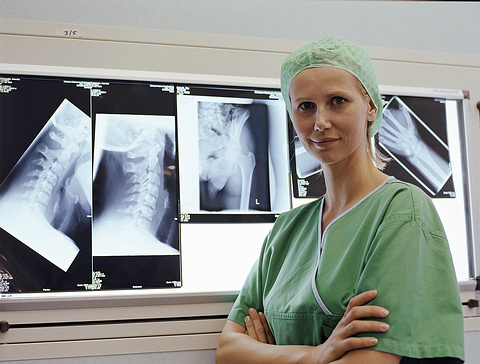 Most bumps on the head are minor and heal as easily as bumps anywhere else. Minor cuts on the head often bleed heavily because the blood vessels of the scalp are close to the skin's surface. In children, blood loss from a scalp injury may be enough to cause symptoms of shock. Head injuries that do not cause visible external bleeding may have caused life threatening bleeding and swelling inside the skull. The more force involved in a head injury, the more likely a serious injury to the brain has occurred. Anyone who has experienced a head injury should be watched for 24 hours for signs of a serious head injury. When to call a health professional - If the person loses consciousness at any time after being injured
To continue reading, click here |
The Research Says...
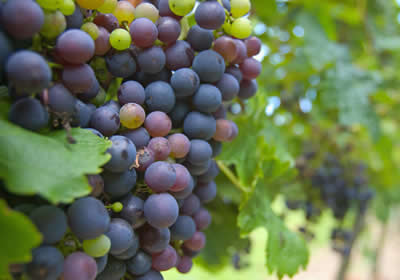 Anthocyanin-Rich Foods Lower Risk of Diabetes Type 2
Scientists have determined that plant compounds known as anthocyanins, and fruits rich in anthocyanins, reduce the risk of developing diabetes type 2. (Anthocyanins are flavonoid pigments that serve as coloring and antioxidants in red-purplish fruits and vegetables, such as blueberries, cherries, raspberries, red and purple grapes, beets, and purple cabbage. Choke berries are extremely rich in anthocyanins, which research has linked with benefits against aging, neurological diseases, inflammation, and cancer. They should not be confused with anthocyanidins, which are sugar-free versions of this antioxidant pigment.) This massive, epidemiological research work included over 200,000 people who were free of diabetes and cardiovascular disease at the start of the study. Compared to those subjects who consumed less than one serving of anthocyanin-rich foods (particularly blueberries) per week, subjects who consumed five or more servings a week showed a 23 percent lower risk of developing diabetes type 2. The overall intake of various types of flavonoids did not affect diabetes 2 risk. This study will be published in a future issue of the American Journal of Clinical Nutrition, but was pre-released on February 22, 2012. It is available online at http://bit.ly/zippLp with subscription or fee. |
Diet Support Group Meets April 10

If you have food allergies, have been prescribed a low glycemic eating plan, or have other dietary restrictions and struggle with your eating this new support group may be just the thing for you. Started by Jane Benoit, a longtime adherent to restricted diets, and sponsored by Green Mountain Natural Health, this group aims to help people on restricted diets be more successful.
Many people on restricted diets struggle with finding the right foods and making the right choices. Support groups can be very effective in helping people to make dietary and lifestyle changes. Join Jane and others to support one another and to share ideas to help conquer your dietary challenges.
The support group meets on the second Tuesday of every month from 12-1 PM at Green Mountain Natural Health. Feel free to bring your lunch!
For information call Jane at 279-3376 or email her at janembenoit@hotmail.com.
|
|
|
|
|
Green Mountain Natural Health
174 Elm St.
Montpelier, Vermont 05602
802-229-2038
www.GreenMountainHealth.com
|
|
|
|
|
|
|



