Our Mission To help adults
with serious
mental illness
live a better life. |
|
About Us
Project Transition is an apartment-based treatment and recovery program for adults with serious mental illness, including personality disorders and dual diagnosis.
|
Contact UsOur admissions team is here to serve you. If you have questions about the admissions process at Project Transition, please contact us at 215-997-9959 or visit our website at projecttransition.com.
|
|
|
As we move into a new season, we reflect upon the many changes that this year has brought. Project Transition continues to grow in significant ways, not only in size but in our commitment to recovery and the services we offer. Recently we celebrated the opening of a new program in Delaware County, renewing our commitment to all that Project Transition (PT) is, including a strong recovery focus, Dialectical Behavior Therapy, and Vocational/Educational Supports.
We are excited about the addition of Peer Specialists at several of our PT sites. Six PT graduates have completed Peer Specialist certification, three of whom have recently joined our staff. This growth in PT's staff model underscores the hope for and achievement of recovery that is central to our core beliefs. Clearly, the best advocates for recovery are those who are living it. Our job is to support, coach and encourage them on the journey. In a similar move to incorporate more member and family involvement, this fall we will be hosting a family programming kickoff event, not only to provide education and support to our members' families, but also to utilize their wisdom and experience to inform us in our future work.
In this newsletter you will see several exciting articles. Sally Gever, Ph.D. outlines our integration of DBT principles and practices into all levels of programming. Trent Tangen reviews our efforts to pro-actively address metabolic syndrome while enhancing the overall wellness of our members. Finally, we are thrilled to announce that PT's President and Co-Founder, Loren Crabtree, MD will receive the 2010 Robert Jones Award from the Philadelphia Psychiatric Society for his life-long efforts to treat and enable the recovery of persons with serious mental illness. 
We are so proud of each member and staff person at PT. Your partnership is central to our commitment to and documentation of the hope for recovery in the lives of our members. Please feel welcome to visit us soon - we are in this journey together.
All the Best,
Paul Keisling
Chief Executive Officer, Project Transition |
|
 Recent Conferences Recent Conferences
June 14th for the US Psychiatric Rehabilitation Association, Boise ID and
August 10th for Delaware County Office of Behavioral Health, Drexel Hill, PA / Trent Tangen, MA, HLC presented "Elements of Healing: Wellness, Personal Medicine, and Recovery"
June 15th for the Pennsylvania Mental Health Consumers Association Conference, Valley Forge PA / Loren Crabtree MD presented "The Tale of the Wooden Spoon: A Metaphor for Recovery" / Julie Collins presented "The Mindful Body: Moving Forward with Wellness-Based Recovery"
July 23rd and 24th for NAMI - Pennsylvania Annual Conference, Camp Hill, PA / Dr Loren Crabtree, MD presented "Validation Skills - An Understanding of a Person's Experience" and Neal Stolar, MD PhD presented "Cognitive Therapy for the Treatment of Schizophrenia/Psychosis"
August 10th for Delaware County Office of Behavioral Health, Drexel Hill, PA / Trent Tangen, MA HLC presented "Elements of Healing: Wellness, Personal Medicine, and Recovery"
August 26th for the United States Veterans Administration, Washington DC
Neal Stolar, MD PhD presented "Cognitive Therapy for the Treatment of Schizophrenia/Psychosis"
September 9th-12th Cape Cod Symposium on Addictive Disorders, Hyannis Massachusetts / Project Transition present at Booth 14 of the exhibit hall Upcoming Events
 September September
September 20th for Delaware County Welcome House / Trent Tangen MS, CHLC presents on "Elements of Healing: Wellness, Recovery, and Personal Medicine."
September 25th for Pennsylvania Recovery Organization - Achieving Community Together, Philadelphia, PA / Project Transition sponsors and participates in the "Recovery Walks" Event hosted by PRO-ACT to celebrate recovery from addiction
 October October
October 4th for NAMI - Southwestern Pennsylvania, Pittsburgh, Pennsylvania / Project Transition sponsors and participates in the Southwestern Pennsylvania NAMI Walk
October 5th for NAMI - Lehigh County, Bethlehem, PA / Loren Crabtree, MD presents "Patterns of Family Caring; Help that Helps - Help that Hurts"
October 16th for American Psychiatric Association, Boston, MA / Neal Stolar, MD PhD presents "Cognitive Therapy for the Treatment of Schizophrenia/Psychosis"
October 22nd for National Association of Social Workers, Pittsburgh, PA / Debbie Hudson, LSW CCDP-D presents "Peace, Joy and Booby Traps"
October 27th for Friends Hospital, Philadelphia PA / Harvey Weiner, DSW presents "Current Understanding of Addictive Disease"
 November November
November 10th for The Consortium / Paul Keisling, MSW presents "Creating Bridges of Belonging For Persons with Mental Illness"
November 18th for Delaware County Suicide Prevention Task Force Symposium, Springfield PA / Project Transition exhibits at Springfield Country Club
November 18th for NAMI-Bucks County, Warminster, PA / Jack Gomberg, MD and Trent Tangen MS, CHLC present "Elements of Healing: Wellness, Recovery, and Personal Medicine."
 January January
January 18th, 2011 for NAMI-Mercer County, Trenton NJ / Loren Crabtree, MD presents "Patterns of Family Caring: Help that Helps - Help that Hurts"
|
Sally Gever, PhD is the Clinical Director for Project Transition and has been with the organization since 1998. She has been intensively trained in Dialectical Behavior Therapy.  | Dialectical Behavioral Therapy - An innovative approach that works
Developed by Marsha Linehan in 1991, Dialectical Behavior Therapy (DBT) is a deeply compassionate, comprehensive form of psychotherapy that is based on a scientifically valid foundation. Essentially, DBT integrates eastern contemplative practices with Cognitive-Behavioral interventions. Originally designed to treat chronically suicidal persons, DBT has evolved over the years to treat individuals with Borderline Personality Disorder and other illnesses that involve difficulties with emotion regulation.
DBT is organized into four stages of treatment, with each stage having its own particular goals. The first stage focuses on decreasing and ultimately eliminating life-threatening behaviors such as suicidality and self-mutilation. Once one achieves a reasonable degree of stability and control, the second stage focuses on dealing with past trauma. The third and fourth stages focus on self-respect, self-trust and ultimately the capacities to sustain joy and live a life worth living. DBT uses four different modes of treatment to achieve these goals: - Weekly individual therapy focused on developing a significant trusting relationship
- Weekly psycho-educational skill groups which teach:
- Mindfulness
- Interpersonal Effectiveness
- Emotional Regulation
- Distress Tolerance
- Unlimited phone consultation by the therapist to coach skills and build relationships
- Weekly consultation meetings of the treatment team to help support their work
Although DBT has many similarities to conventional forms of therapy or counseling, there are some key differences. It was originally designed to specifically treat highly suicidal persons who had failed in other therapies. It differs from Cognitive-Behavioral Therapy in that it places enormous importance on the relationship between the therapist and the member. Perhaps most importantly, it is a treatment of opposites. On one hand DBT encourages validation of the individual, while on the other hand it also promotes acceptance of the need for change. The treatment team strives to validate, understand and accept the person exactly as they are - the underlying assumption being that they are doing the best they can with the skills they have. In other words, if a person had better skills, they would use them. Therefore, an important part of the treatment consists of teaching new skills geared toward improving one's quality of life. To promote the acceptance of change, DBT incorporates Zen and Client-Centered Therapy. To promote skill-building, DBT uses elements that resemble Aaron Beck's Cognitive-Behavioral Therapy. Combined, they form Dialectical Behavioral Therapy.
Many aspects of DBT, such as radical acceptance and the importance of relationships, have always been part of PT's guiding principles. We have long embraced interventions focused on refining social skills, understanding one's illness and learning ways to tolerate stress. Adapting the principles and structure of DBT into daily clinical practice has greatly enhanced our ability to reach these goals. Our staff receives intensive training and participate in weekly DBT consultation meetings to ensure that they can apply DBT, both to each other and to our members.
DBT works! Not only is it scientifically validated by research, its effectiveness is experienced almost daily by our members. Studies have shown that DBT is more effective than standard treatment of individuals with Borderline Personality Disorder, with or without co-occurring substance abuse. Clients receiving DBT instead of standard treatments were significantly less likely to drop out of therapy and less likely to engage in self-harmful behaviors. Furthermore, clients receiving DBT were less likely to be hospitalized, spent fewer days in the hospital, and had higher levels of functioning and social adjustment. All of these outcomes are consistent with PT's goal of helping people live the best life possible despite their struggles with serious mental illness.
|
A Peer Specialist's Reflections on Working at Project Transition
"Being a Peer Specialist at Project Transition has offered me the opportunity to provide hope, which I truly believe is one of the most important things in recovery and life in general. I'm also grateful for all of my lived experience which has given me greater purpose. To be able to give back and possibly have an impact on even one person's life has made the journey all worth it!"
-Cara N, Certified Peer Specialist
|
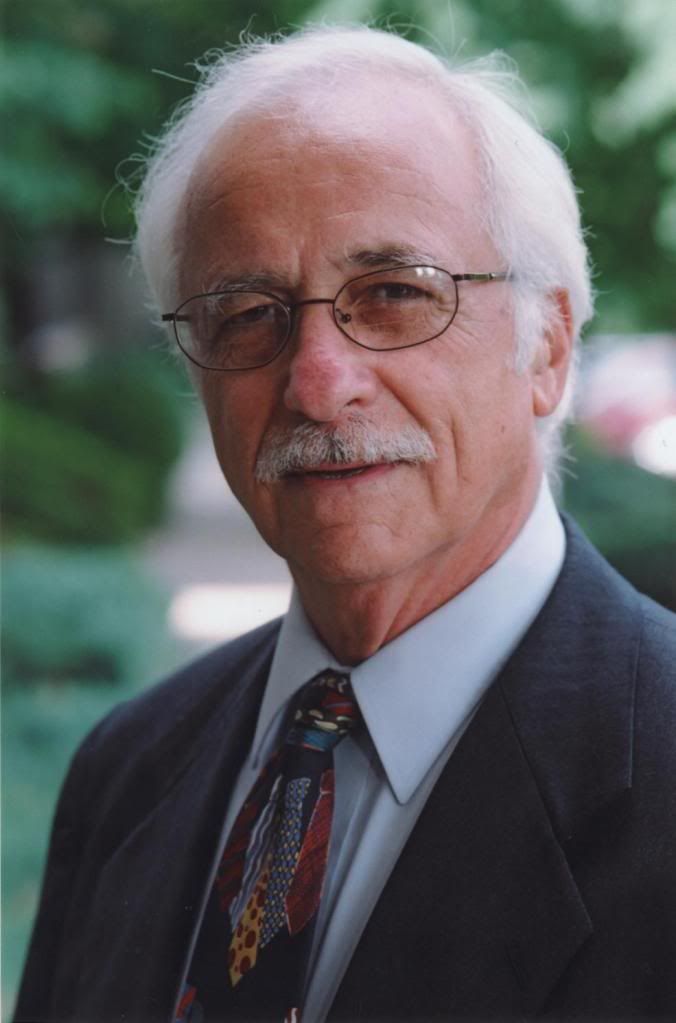 Loren Crabtree, MD to receive the Robert Jones Award Loren Crabtree, MD to receive the Robert Jones Award
Dr. Loren Crabtree has dedicated the past forty-five years to bettering the lives of those with serious mental illness. In recognition of this dedication, Dr Crabtree has been chosen to receive the Philadelphia Psychiatric Society's Robert Jones Award, bestowed annually upon one of its members for commitment and service to the chronically mentally ill. While many have hailed him as a visionary in the field of psychiatry, he thoughtfully reflects on his professional journey, "I have spent my career attempting to create communities of hope and acceptance for persons with serious mental illness."
Since beginning his career in 1967 as Director of the Adolescent Treatment Center at the Institute of Pennsylvania Hospital, Dr. Crabtree, a self-admitted perfectionist, has spent his life searching for new ideas, techniques, and technologies to help those with serious mental illness live satisfying lives. This journey led to in the co-founding of Project Transition, a unique program that enables individuals with serious mental illness to live successfully in the greater community.
Since its founding in 1982, Project Transition has grown from a single site with two members to eight therapeutic villages serving over two hundred individuals recovering from a wide array of psychiatric illnesses and co-occurring disorders. Not only has Project Transition grown, but it has been shaped and reshaped over the years, integrating various therapeutic disciplines and approaches to serve the ever changing needs of its members. According to Paul Keisling, co-founder of Project Transition, Dr. Crabtree has been a driving force behind these successive program refinements, "From him, we learned not to be satisfied with status quo, but rather to dream the big dream, to have hope that things can be better, and to keep trying until those things do get better." Longtime colleague and Chief Medical Officer of Project Transition, Jack Gomberg, MD states, "Dr Crabtree exemplifies through his efforts the ideals and leadership that afford the seriously mentally ill not only the right to competent treatment, but to treatment with dignity, respect, compassion and loving kindness."
On November 6, 2010, Dr. Crabtree will accept the Robert Jones Award in the presence of colleagues and friends at the Philadelphia Psychiatric Society's Benjamin Rush Awards Dinner. Reflecting on receiving this award, he states, "I am honored, grateful and blessed. This award for work with the seriously mentally ill validates our core value at PT - Never give up on anyone"
|
Project Transition Opens New Community in Delaware County
On June 1st, in response to a desire to transition some of our members closer to home, Project Transition opened its eighth therapeutic village located in Delaware County, PA. Affectionately called "Parkway," our new program provides psychiatric rehabilitation as well as Dialectical Behavioral Therapy (DBT), and Cognitive Behavioral Therapy (CBT).
We are also proud to provide vocational rehabilitation via a certified psychiatric rehabilitation specialist trained through Boston University's year-long certificate program.
An Open House event was held on July 29th to introduce our newest location. Nearly 50 people representing 24 organizations were in attendance. Senior Director Debbie Hudson stated, "It's exciting to see this program grow as we welcome in new members and navigate relationships with each other. Each day moves us closer to cohesion as a group, as we live out our mission to be a supportive community within the larger community."
For more information on our programs, contact our Community Relations and Marketing Department at (215) 997 9959 or by email at Tim.Philpot@projecttransition.com
|
Trent Tangen is the Wellness Coordinator for Project Transition and recently presented at the United States Psychosocial Rehabilitation Association (USPRA) conference in Boise, Idaho on "Elements of Healing; Wellness, Personal Medicine, and Recovery"  | Using Wellness to Improve Body, Mind and Spirit
By Trent Tangen, MA HLC
Trent Tangen is the Wellness Coordinator for Project Transition and recently presented at the United States Psychosocial Rehabilitation Association conference in Boise, Idaho on "Elements of Healing; Wellness, Personal Medicine, and Recovery"
Project Transition has always believed strongly in the interconnectedness of body and brain, embracing the fact that challenges affecting one can significantly impact the other. For example, poor nutrition can affect anxiety levels, and depression can be exacerbated by an unhealthy sleep cycle. As we work with adults recovering from a mental illness, its clear we cannot simply focus on psychiatric symptoms or physical wellness alone. We must address both simultaneously.
Through an extensive Wellness program, Project Transition provides an array of services to our members. Each of our eight programs employs a highly trained Wellness Specialist who works closely with members and the treatment team, creating multiple opportunities throughout the week for one on one coaching, workshops and hands on skill building. Our weekly "Wellness Workshop" provides a variety of topical discussions and experiential activities. Preparing a grocery shopping list, cooking demonstrations, aroma therapy and "Laughter as Medicine" are some examples. For those members identified to be at increased risk for cardiovascular disease, we offer L.I.F.E. (Lifestyle, Intelligence, Fun, and Energy) group. This group educates our members on the causes, management and prevention of cardiovascular disease. Additional wellness offerings include exercise, culinary workshops, relaxation groups, smoking cessation and/or pet therapy
Wellness Components Frequently Addressed
Nutrition/cooking/meal planning Exercise Stress management Relaxation/breath work Smoking cessation Sleeping patterns Diabetes education Hypertension Weight loss/weight gain Metabolic Syndrome Digestive health Vitamins Hydration/caffeine consumption  |
We believe that it is imperative to take the physical health of our members very seriously. To that end we monitor body weight, abdominal measurement, blood pressure and pulse on a monthly basis. In addition, our psychiatrists prescribe quarterly lab work to measure levels of Triglycerides, Cholesterol, Glucose, and HgA1c (long-term glucose measure). This data is reviewed by the Wellness Specialist and Psychiatrist, is explained to the member and when appropriate, is shared with the member's primary care physician via a wellness report card.
It is exciting to see the positive impact that our Wellness program has on our members. Bernice D. recently shared her experience: "Wellness has helped me to learn how to use food to control my type 2 diabetes. It has helped me to become more aware of what is going into my body and how that may affect my blood sugar and my overall health." Its feedback like this that encourages us to continue working with our members to take small steps that can lead to real results.
For more information on Wellness at PT, please contact Trent Tangen at (215) 548-5493 or by email at ttangen@proejcttransition.com
|
|
|
Thank you for taking the time to read about the news and events at Project Transition.
| |
|


