Week 1

Greetings!


Greeting from your soggy farm. We're enjoying some much needed precipitation; a lovely, gentle rain perfect for our tender young plants. We're off to a great start with some much needed equipment added and a terrific crew in place. We have a new Field Supervisor who, besides growing up on a farm, brings 8 years of organic vegetable farming experience. He can also fix any piece of equipment and what can't be fixed or found, well, he just makes it.   


The newest member of the crew is our 1959 International Harvester Farmall 140 cultivating tractor.


These tractors have an offset seat which allows the driver to drive over the rows of plants and make sure the cultivation pieces (which remove most of the weeds) aren't damaging the plants. Now that we have all of the fields spaced consistently we can use the 140 on most of our fields. What was taking a crew of 4 or 5 people about 5 hours to do the tractor does in 3 minutes. Bliss.


We were hoping to have rhubarb and strawberries in the first box but the weather didn't cooperate. Unless we have really extreme weather situation we should have both of these items for you next week. We ask our members to think of their share like a bell curve; peaking from late July through mid September. So far the crops look great and almost everything is in the ground. We'll be starting our second plantings of carrots and beets next week. A few more transplanted crops to go including our last round of heirloom tomatoes. We had a challenging tomato season in 2010 so we've prepped ourselves for this year by adding a special blend of minerals to the soil, which should help the plants with the inevitable blight that seems to get stronger and more widespread every year.


Red Sails Lettuce 

We have a stunning Red Sails lettuce in the share this week. Two of our crew came up with great descriptors; "regal" and "majestic". Generally lettuce doesn't like hot weather and will "bolt" which means the plant stops leaf growth and switches it's energy to producing flowers and seeds. Our lettuce made it through the hot spell and we have gigantic, freshly harvested heads for you this week.   


Here are a few storage tips for lettuce and other greens:  


  • Avoid storing lettuce with apples, pears or bananas. These fruits release ethylene gas, a natural ripening agent, that will cause the lettuce to develop brown spots and decay quickly. Toss lettuce that looks slimy or has black spots.
  • Rinse lettuce just before serving in very cold water. Pat dry with a clean towel. Limp leaves can be revived by immersing in ice water for a few minutes. 
  • Dry leaves before serving. Salad dressing will cling to dry lettuce leaves instead of sinking to the bottom of the salad bowl. Toss with your favorite dressing just before serving (or serve dressing on the side) Lettuce leaves covered with dressing will quickly wilt.

This is our favorite all purpose dressing:


Harvest Moon Farm's All Purpose Dressing   

8 TBS Extra Virgin Olive Oil 

4 tsp Red Wine or Apple Cider Vinegar

1 tsp black pepper

1 tsp sugar  

1 tsp sea salt


Combine in a jar and shake until emulsified. It will keep in the fridge for a month. Remove from the fridge about 30 minutes before using.

* You can use any combination of oil and vinegar. Try peanut oil or rice wine vinegar for an Asian take.  


Herb Packs 

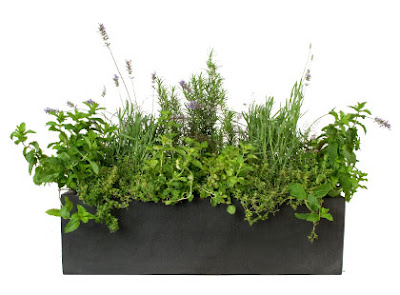
We borrowed this idea form our friends at Harmony Valley Farm. It's challenging to harvest and pack most herbs for the weekly boxes. Most are small and tend to get lost or damaged during transport and/or require extra packaging. Solution? Give you 6 of our favorite herbs at the beginning of the season for you to use all season. Each share will receive a six-pack of plants with the following; oregano, sage, chives, marjoram, thyme, and summer savory. We'll be working these herbs in to our recipes. Unless you live in a cave you should be able to keep your herbs growing well in to the winter. A sunny windowsill, balcony, or spot in the yard will do. We suggest you transplant to larger pots. One large planter will work as well. If you travel pass them on to a neighbor or bring them to your office. A little water is all they require. Be sure to trim regularly for more robust plants.


Garlic Scapes

One of our favorite early season treats. The scape is the seed pod of the garlic plant. The spring out in early June, swooping and curling elegantly in the middle of the plant. We remove them to send more energy in to the bulb production but they're also delicious and versatile. We even use them in flower arrangements. They store fantastically as well and will keep in your fridge for weeks. They can also be pureed with a little olive oil and frozen in ziplock bags or ice cube trays.


Garlic Scape Soup
1 c chopped garlic scape
˝ c onion minced
1 tsp fresh thyme
1 TBS butter
˝ c white wine
2 c low sodium vegetable or chicken stock
1 c cream
4 TBS sour cream
Salt and pepper to taste
 

Heat butter in soup pot until it starts to brown, add the onion and cook for 4 minutes then add the garlic scape and lower heat and cook for 5 minutes or until bright green and soft.  Add the thyme and wine and cook down until the pan is dry.  Add the stock and cream and simmer for 10 minutes until well combined.   With an immersion blender puree the soup until smooth-adjust seasoning and serve-garnish with sour cream.

Serves 4

Recipe courtesy of Chef Bradley Borchardt


Swiss Chard
 

Chard comes in many colors, even rainbow. Baby chard can be colorful addition to salads. Mature leaves taste similar to spinach when cooked.

Swiss Chard is very low in calories and fats. Like spinach, chard, is a store house of many phytonutrients that have health promotional and disease prevention properties. Chard is an excellent source of anti-oxidant vitamin C, K, and A. It is also rich in minerals like copper, calcium, potassium, iron and phosphorus.   


Storage:  

Chard is extremely perishable. Wrap chard in a damp cloth and place them in plastic bag. Store in the refrigerator and preferably in the crisper drawer with a high humidity level.  


Red Chard Risotto

5 cups vegetable or chicken broth
2 TBS olive oil
1 medium onion, chopped
1 1/2 cups arborio rice or medium-grain white rice
1 bunch Red Swiss chard, chopped
1/2 cup dry white wine
1/2 cup freshly grated Parmesan cheese
Salt and Pepper to taste
Additional grated Parmesan cheese


Bring broth to simmer in medium saucepan. Cover and keep warm. Heat oil in heavy large Dutch oven over medium heat. Add onion and sauté until translucent, about 5 minutes. Add rice and chard and stir until chard begins to wilt, about 3 minutes. Add wine and simmer until absorbed, stirring occasionally, about 2 minutes. Add 4 1/2 cups hot broth. Simmer until rice is just tender and risotto is creamy, stirring frequently and adding remaining 1/2 cup broth by 1/4 cupfuls if mixture is dry, about 20 minutes. Mix in 1/2 cup Parmesan cheese; season to taste with salt and pepper. Transfer risotto to medium bowl. Serve, passing additional Parmesan separately.

Recipe adapted from Gourmet 

Red Russian Kale

Kale is a good source of Potassium, Iron, Folate, Vitamin A, C, and K. Red Russian Kale is a great addition to salads.   


Store kale similar to the chard. Wrap in damp cloth, place in a plastic bag and store it in the refrigerator, preferably in the crisper drawer.  Wash kale in cold water. Remove the hard stem from the middle prior to cooking.  


Here is a very quick and simple recipe for a Mediterranean Dressing for a delicious kale salad.  


Kale Salad 

1 bunch Kale
2 tsp. lemon juice
1 medium clove garlic (or garlic scapes)

1 TBS extra virgin olive oil
salt and pepper to taste


Chop garlic (or garlic scapes) and let it sit for 5 minutes to enhance its health-promoting properties. Fill bottom of steamer with 2 inches of water and bring to boil. While water is coming to a boil, chop kale leaves into 1/2-inch slices, and cut again crosswise. Cut stems into 1/4-inch slices. When water comes to a boil, add kale to the steamer basket and cover. Steam for 5 minutes.


Transfer to a bowl and toss with  dressing ingredients. The dressing does not have to be made separately. For the best flavor, toss with dressing while kale is still hot. We like to add sunflower seeds and crumbled feta cheese on top but is completely optional.  

Recipe courtesy of Harvest Moon Farms


Asparagus


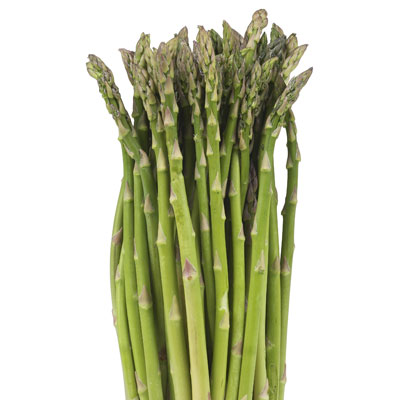
Asparagus should be used as soon as possible after harvesting. Otherwise it lose flavor as most its sugar will be converted to starch.


Asparagus is a perennial succulent. Asparagus is an excellent source of vitamin K, B vitamin, vitamin C and A. It is also rich in minerals potassium and zinc. Asparagus is a very low calorie vegetable. 


The asparagus spears are actually the shoots from an underground crown. It takes 2-3 years to get the first harvest of Asparagus.    


Cooking Tips

Serve asparagus hot or cold, it is not necessary to peel the asparagus, just slice the fibrous base prior to serving/cooking. Remove with a knife the bottommost part of the spear; you should feel where it begins to get a bit tough.


Steam asparagus with a light lemon vinaigrette for a refreshing salad. Or toss cooked pasta with asparagus with a little olive oil or your favorite sauce.


Storage Tips

Wrap asparagus in a damp cloth and store in the hydrator drawer in the refrigerator. An alternate storage technique to retain vitality is to bundle spears with a rubber band and place upright in a container with an inch of water.

Refrigerate as soon as possible.  


Use Asparagus within a day or two to enjoy the best flavor. Also be sure to keep in a dark place away from light, since folate is destroyed by exposure to air, heat or light.


Asparagus Guacamole

2 cups chopped, cooked Asparagus

2 tablespoons sour cream or plain yogurt

2 tablespoons fresh lemon juice

2 tablespoons minced green onion

4 tablespoons tomato salsa

2 tablespoon minced cilantro

1 teaspoon minced garlic

1/2 teaspoon cumin

salt and pepper to taste

Puree asparagus, sour cream (or yogurt), and lemon juice in food processor or blender. Stir in remaining ingredients. Serve with tortilla chips or crackers, or as a sandwich spread. 

Recipe courtesy of Harvest Moon Farms


Asparagus with hollandaise

A bit tricky but one of the all time great dishes-just sublime  

4 egg yolks

12 fluid oz of melted unsalted butter

1 T lemon juice

salt, pepper, lemon juice, Tabasco to taste

1 lb asparagus-trimmed

minced fresh herbs like chives, parsley, tarragon to taste


Set up your workstation; get a saucepan and stainless steel bowl that fits into the saucepan.  Put 2" water in the saucepan and bring to a simmer.  Put the egg yolks and 1T lemon juice into the stainless bowl. (The bowl, when put on top of the saucepot, should rest about 1-2" above the simmering water.).  Start to whisk the egg yolks until they double in volume-make sure the water does not boil too hard or the egg yolks get too hot because they will scramble.  Keep whisking until they double in volume and are pale yellow in color.  Remove bowl from saucepot and put on a towel on the counter top to prevent slipping.  Gently start to drizzle in the melted butter to form an emulsion-much like making a mayonnaise.  Do not add the butter too fast or the sauce will break.   Once all the butter has been added and the mixture is thick, taste and adjust the seasoning with more lemon juice, salt and pepper-cover with plastic wrap and keep in a warm place until you are ready to serve (no longer than 15 or 20 minutes).  


For the asparagus-bring a large pot of water to the boil, add salt and blanch the asparagus for 2-3 minutes or until just soft.  Shock the asparagus in ice water to stop the cooking-drain and arrange on a serving platter.  Top the asparagus with the hollandaise and fresh herbs.  For insane indulgence you could garnish with caviar or smoked salmon.  

Recipe courtesy of Chef Bradley Borchardt


Useful Kitchen Utensils  


 We thought we'd suggest some kitchen tools and items that will come in handy this season. We've decided that a decent mandoline slicer is an absolute must. You can get a deluxe model from Williams Sonoma or Sur la Table or a more basic version from Bed Bath and Beyond or Target. We have a basic version and it works fine. There are 3 blades; 2 slicers and a julienne.We also rely heavily on our immersion blender. Again, deluxe and basic versions available. They are great for whipping up a quick soup or sauce and less hassle then firing up the blender or food processor. Other key tools are a good peeler, shredder, salad spinner, mini prep food processor, microplane grater, zester, and a juicer.


Enjoy your first delivery!


Thanks,

Bob, Jen & The Harvest Moon Crew

In your share:
Red Sails Lettuce
Herb Packs
Garlic Scapes
Swiss Chard
Red Russian Kale
Asparagus
  Find us on Facebook  Follow us on Twitter


Quick Links