|
Texas Poison Center Network eNewsletter |
Issue 5, November 2010
|
|
Greetings!
Read on for quick tips for a safe holiday season.
Calls to poison centers across the country increase during the holiday season. We've taken a look at the situations that we get the most calls about and listed some ideas for avoiding them in the articles below.
We hope that you don't need to call us during this busy season, but if you do - don't hesitate. Dial 1-800-222-1222 to be connected with your local poison center 24-7, even Thanksgiving and Christmas. The call is always private and always free.
Why not save the number in your phone now?
|
| QUICK LINKS | |

|
|
| Fun Fact | |
According to the U.S. Census Bureau, there are three places in the United States named after Thanksgiving's traditional main course. Turkey, Texas, was the most populous in 2009, with 445 residents, followed by Turkey Creek, La. (362) and Turkey, N.C. (272). There are also nine townships around the country named Turkey, three in Kansas.
|
|
|
| Giving Thanks for a Safe Thanksgiving |
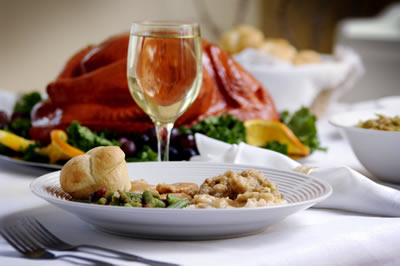 You've spent hours on the turkey, just barely avoided botching the gravy and successfully kept the pie crust from burning. You've spent hours on the turkey, just barely avoided botching the gravy and successfully kept the pie crust from burning.
Your Thanksgiving meal will be delicious. And by taking a few extra steps, the only discomfort afterwards will be from full stomachs.
Here are a few tips from the Texas Poison Center Network to keep that most unwelcome Thanksgiving guest - food poisoning - from messing up your perfect holiday meal.
· Handle food carefully. Food poisoning usually happens because of poor food handling practices. Symptoms can include fever, headache, diarrhea, abdominal discomfort and vomiting. The guilty party in all food poisonings is bacteria, which enters our bodies through contaminated food. Wash hands, dishes, utensils, kitchen equipment and work surfaces before and after handling. Be particularly careful around knives, washing them thoroughly after each use. And remember, even frozen food can contain bacteria.
· Cook food carefully. Salmonella is a common cause of food poisoning and while it's normally not fatal, it is widespread. It is typically found in raw meats, poultry, eggs, milk, fish and their bi-products. Salmonella can only be destroyed by cooking food thoroughly and with temperatures above 140 degrees.
· It's okay to thaw turkey in its original plastic for one to two days. After that, move the turkey to plastic wrap or foil. Don't keep it in its original wrapping for more than two days.
· Thaw turkey or poultry inside the fridge, rather than elsewhere in your kitchen.
· Don't stuff the turkey in advance and then refrigerate it. The core of the turkey is a perfect place for bacteria to grow. Remove all stuffing before refrigerating leftover meats. Keep the stuffing, gravy or broth in a separate container.
· Be careful around alcohol. Adults, obviously, should always drink responsibly, but in large gatherings, it's important to be mindful of small children - particularly those who aren't afraid to pick up discarded cups left behind by adults. Even a small amount of alcohol can poison a child.
· Also be wary of choking hazards. Peanuts, raisins, hard candies, cocktail sausages and other hors d'oeuvres are tasty additions to any holiday meal, but they can be choking hazards for the littlest partiers. And many pediatricians advise that children under the age of one year avoid nuts, because of the risk of allergies. Keep these foods out of the reach of very young children to prevent a choking incident.
If you have questions about food safety, call your local poison center at 1-800-222-1222. Poison centers are open 24 hours a day, seven days a week and all calls are free and confidential. Don't guess-be sure! |
| Making a Merry Holiday Season Safe |

A well known Christmas carol says the holiday season is "the most wonderful time of the year," and that can certainly be true. By taking a few precautions, you can focus on family and fun this holiday season - and ideally avoid some of the perennial holiday hazards.
A few tips, courtesy of the Texas Poison Center Network, to keep the holidays merry, peaceful and safe:
· Though they're not the fatal poisons that they were once believed to be, poinsettias, if consumed, can cause some gastrointestinal discomfort, including vomiting. Keep small children and pets away from poinsettias to keep the plant pretty and the kids and pets comfortable.
· Keep small children and animals away from other seasonal plants, including Mistletoe berries, Holly berries, the fruit of Jerusalem Cherry, the leaves and twigs of Boxwood and all parts of Yew plants.
· Christmas tree preservatives are usually not toxic. Still, check the label for special ingredients and warnings. As for the trees themselves: pines, spruces and junipers can cause stomach discomfort if large amounts are ingested. In other words: Don't eat the Christmas tree.
· The prettiest old ornaments might have hidden hazards. Beware of cuts from broken glass and be aware that some older ornaments may be decorated with harmful lead paints.
· Lead is also a hazard in some tree light wires. Wash hands before and after handling tree lights.
· Be mindful of "icicles" or tinsel. Both can out be a choking hazard if swallowed.
· Angel hair is finely spun glass which can cause cuts or irritation when handled or swallowed.
· If relatives come to stay through the holidays, be sure their medications are put away.
· Lock medicines in a suitcase, or, if in a purse, place it out of reach. And NEVER leave medications on the nightstand. A child might wander into the room at any time, and what clearly appears to be medication to you can look like candy to them.
· Designate a locked room where relatives and guests can place coats and purses that may contain medications.
· Empty ash trays often, and when the party is over, clean them. Ingesting as few as six cigarette butts can send a child to the hospital.
· Make sure small button batteries are not available to children. One swallowed battery can make a child very sick.
For questions about poisons on Christmas and any other day of the year, call your local poison center at 1-800-222-1222. |
| Resolve to Ring in 2011 Safely | |

Now that the holidays are over, it's time for that last blast of partying - New Year's Eve. Sure, there's plenty of advice available on how to avoid a New Year's Day hangover, but it's a little harder to find tips on avoiding the emergency room.
Here's a little advice on safe celebrating. from the American Association of Poison Control Centers. Happy 2011!
· Remember, all drinks are not created equal. Many people believe that a 12-ounce can of beer, a five-ounce glass of wine, a 12-ounce wine cooler and an ounce-and-a-half of liquor contain the same amount of alcohol. That's not necessarily the case. In fact, some beers can be nine to 10 percent alcohol when people may be accustomed to drinking so-called "light" beers, which are around four to five percent alcohol. Liqueurs can easily be 40 to 50 percent alcohol, and don't taste like alcohol. Remember when reading labels on alcoholic products that the proof number is half of the alcoholic content.
· Carbonated mixers including club soda or tonic water may cause alcohol to be absorbed into a person's system more quickly.
· Keep an eye on the children. Children are great at helping themselves to food and drink, and abandoned drink glasses left within reach could contain enough alcohol to seriously impair a child.
· Watch out for dogs and birds, too. Both are notorious for helping themselves. Some foods can be highly toxic for pets. Chocolate and caffeine, for example, can be highly dangerous for dogs and birds.
· Jell-O shots, or vodka-spiked Jell-O bites, can be fun for adults but inappropriate for child-friendly parties. It's possible that a child could mistake this adult product for something they're used to eating with extremely dangerous results.
· Candles and oil lamps can set the festive mood, but they're also attractive for small children. If a youngster gulps scented, brightly colored lamp oil and chokes, it can end up in the lungs, with potentially fatal outcomes. Lamp oil on the skin or in the eyes can also cause extreme discomfort.
· In some parts of the country, New Year's fireworks displays are part of the fun, and in colder climates, it's tempting to sit in a running vehicle to stay warm. If you do so, make sure there's no risk of carbon monoxide poisoning from leaking or blocked exhaust systems. Keep windows cracked for fresh air, and if anyone starts to feel ill, immediately open the windows fully and turn the engine off.
· In warm climates, partiers often celebrate on boats. Remember: Exhaust from a running boat engine can also produce toxic levels of carbon monoxide.
· Finally, fireplaces, kerosene or propane heaters can also be a source of carbon monoxide poisoning. Make sure there are carbon monoxide alarms AND smoke alarms in your home, and replace their batteries to ring in the New Year safely.
The six poison centers of the Texas Poison Center Network offer free and confidential services 24 hours a day, seven days a week. If you have a question about poisons, call your local poison center at 1-800-222-1222.
|
| A Hunting We Will Go | |
 Fall is here, and that means hunting season, too. So we're taking aim at some of the poison areas that can be troublesome for the hunter and his family. Fall is here, and that means hunting season, too. So we're taking aim at some of the poison areas that can be troublesome for the hunter and his family.
Let's start with the substances used to keep firearms in good shape. Gun bluing protects a gun from rust and corrosion. But it doesn't protect the curious, thirsty child who may mistake this liquid for a soft drink. Gun bluing contains a variety of acids and other chemicals which can cause serious burns and damage to several of the body's organs. If it is accidentally ingested by a child, immediately call your Poison Center at 1-800-222-1222 for specific instructions.
Another poison target is gun powder solvents and gun lubricants because they contain alcohols and petroleum products, which are also dangerous substances if swallowed by a young child.
We're Game If You Are
After killing your game, read more... |
|
What would you do if someone accidentally swallowed something dangerous? 
Anytime something that might be dangerous is swallowed, gets on the skin, or in the eye - call your local poison center right away. Whether you have a poisoning emergency or just a question, don't guess---be sure. Call your local poison center at 1-800-222-1222. A medical professional will answer your call right away.
The call is free...peace of mind is priceless. |
|
|
|
|
|
|