
Which common cosmetic practice is associated with an increased risk of skin cancer, remains unregulated in many states (including Massachusetts) and is used regularly by women and girls between the ages of 16 and 29?
If you guessed indoor tanning, you're right.
The rising popularity of indoor tanning among teens and adults is causing health experts around the world to take a closer look at the practice and to educate the public about the risks. Not surprisingly, the news is not good.
According to the Indoor Tanning Fact Sheet of the American Academy of Dermatology (AAD), studies have found a 75 percent increase in the risk of melanoma in those who have been exposed to UV radiation from indoor tanning. Moreover, a Harvard Medical School study released in March found that women who used tanning beds at least four times a year between high school and age 36 were 15 percent more likely than nonusers to develop basal cell carcinoma.
Skin cancer is not the only negative side effect from indoor tanning. Exposure to UV radiation from sunlamps and tanning booths also damages the DNA in the skin cells and can lead to premature skin aging, immune suppression, and eye damage, including cataracts and cancer (ocular melanoma).
Despite the growing evidence of indoor tanning's risks, the use of indoor tanning equipment continues to rise. On an average day, more than one million Americans use tanning salons. Of the nearly 30 million people who tan indoors in the US annually, 2.3 million are teens.
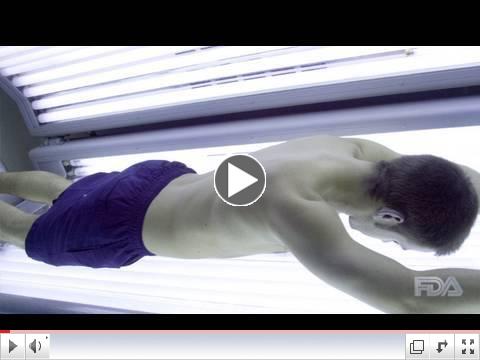 |
| Indoor Tanning: The Risks of Ultraviolet Rays (Consumer Update) |
When speaking with SSDP patients about why they tan, I receive many different answers. Some people want to get a "base tan" before a vacation. Others tan to give them a bronzed appearance for a prom or special occasion. Some teens believe indoor tanning helps to reduce acne. Some people feel an emotional lift after exposure to UV light.
The truth about indoor tanning is not so simple. What some feel is a protective "base tan," or pre-prom glow is actually the skin's reaction to exposure to UV rays and evidence of skin damage. Tanning and freckling are signs of injury to the skin. Over time, the damage leads to prematurely aged, leathery, lined skin, and in some cases, skin cancer.
While some people may experience improvement in their acne from UV radiation, certain acne medications increase one's sensitivity to UV rays and increase the risk of burning and skin damage. A pilot study at the University of Texas Southwestern Medical Center found the emotional lift experienced after tanning may in fact be the result of a physiological response similar to addiction.
For these reasons (and many others), SSDP recommends no use of tanning equipment by teenagers, and supports the AAD's position statement on indoor tanning which says:
- The American Academy of Dermatology Association (AADA) opposes indoor tanning and supports a ban on the production and sale of indoor tanning equipment for non-medical purposes.
- The American Academy of Dermatology supports the World Health Organization recommendation that minors should not use indoor tanning equipment because indoor tanning devices emit UVA and UVB radiation and overexposure to UV radiation can lead to the development of skin cancer.
- Unless and until the Food and Drug Administration bans the sale and use of indoor tanning equipment for non-medical purposes, the Academy supports restrictions for indoor tanning facilities, including:
- No person or facility should advertise the use of any UVA or UVB tanning device using wording such as "safe," "safe tanning," "no harmful rays," "no adverse effect," or similar wording or concepts.
Remember, the only healthy tan is a sunless tan.
Learn more on the SSDP website at www.southshorederm.com



