|
|
Pennypack Pickings
| July 24, 2010
Volume 8, Issue 16
|
|
Weekly Harvest
|
Squash/Zucchini
Lettuce
Carrots
Basil
Cucumber
Onions
Celery
Fennel
U-pickCherry Tomatoes
Green BeansRaspberriesBlackberries
 |
Storage Tips
for Tomatoes | 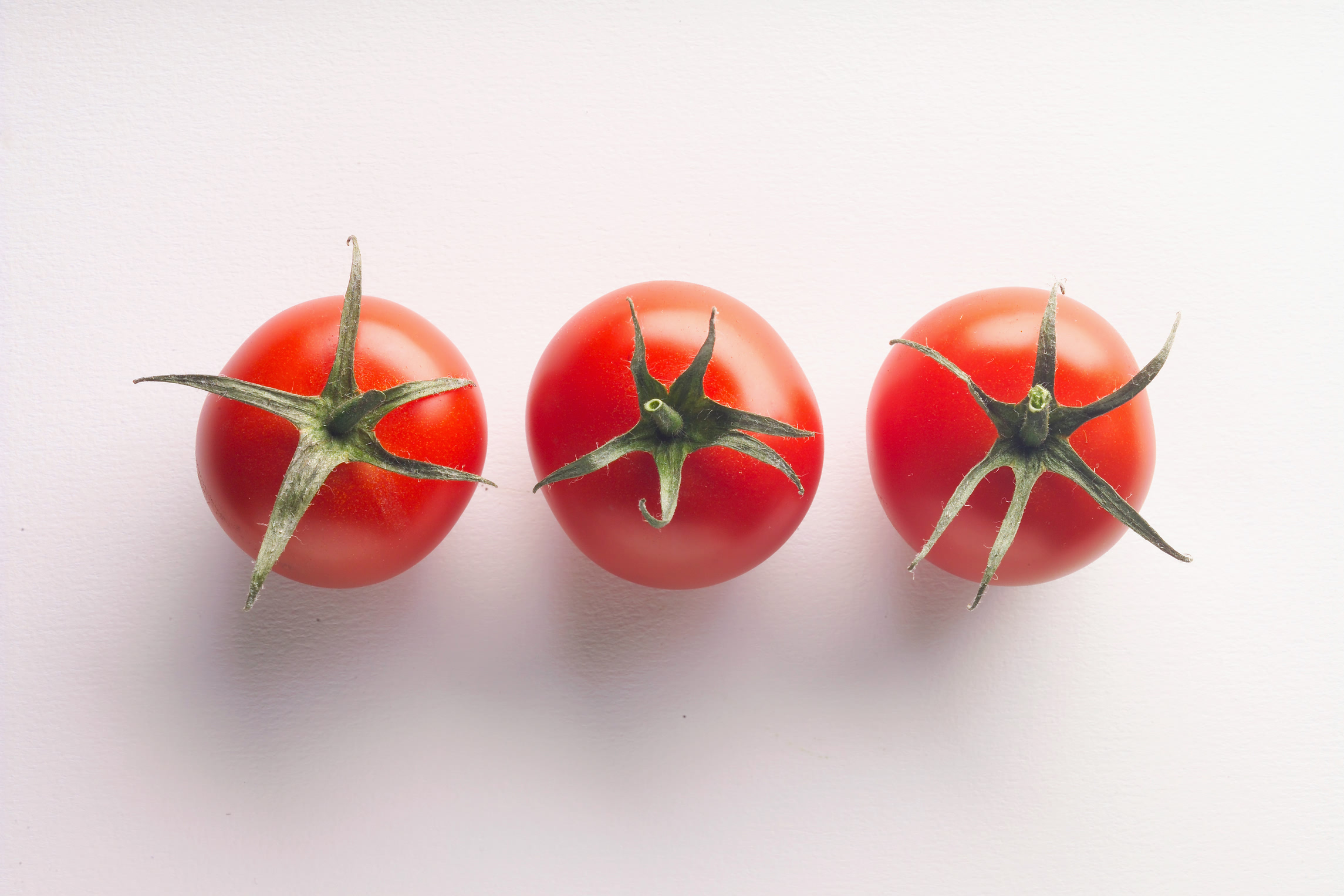
You can freeze your Tomatoes whole. Core them and place on a
cookie sheet in the freezer. When they are frozen solid place them in a
zip-lock freezer bag and store them in the freezer. Use your tomatoes as
needed. The thawed tomatoes work great for purees or other cooked dishes.
-adapted from
"From Asparagus to Zucchini - a guide to
cooking farm fresh seasonal produce"
|
|
Berries, Beans, Tomatoes, Oh My!
Now that our weekly pick-ups include more U-picks, we'd like to take this opportunity to remind everyone about "U-pick Etiquette".
To begin, please understand that our farmers limit the quantity for each family, so that farm members who arrive later in the day have enough for their families.
Please pick the right size container. If you are unsure which container is a pint versus a quart please ask the greeters in the harvest house.
The allowed quantities are always posted on the board in the harvest house. If you forget how much a unit is for a particular crop, ask someone in the fields. Chances are, they'll know and it's a great way to meet some fellow farm members
Enjoy a sample. We encourage kids to join in the u-pick, and we also invite you and the kids taste the produce (after all, harvesting food is the best way for kids to learn where their food comes from), but please understand that what you pick and eat is part of your share. U-pick is not an all you can eat buffet. Please include what you sample in the total amount of your unit.
U-pick is an honor system - please keep in mind that there are many other families "sharing" in our farm, and don't exceed your share-amount.
If you ever have questions, the farm staff and the volunteer greeters will be happy to answer them for you.
We'll see you in the fields! |
Another Unusual Growing Season
You probably remember last spring and summer. It rarely stopped raining, stayed cool right through the end of May and we only had a handful of days in the 90s. Somehow, we managed to grow vegetables amidst all the sogginess and muck.
Now this season seems even more unusual. Record snowfalls covered the ground right until early March, which made the ground very cold and wet well into the spring. This was the likely culprit of about half of our garlic crop turning to mold within a week or two. April and May were almost perfect for growing vegetables (perhaps a touch too hot at times) with warm temperatures and moderate rainfall. This set the stage for a great start to the harvest season - record quantities of broccoli, early strawberries, beautiful kale, asian greens, turnips, mache and more. Then the drought set in with 90 plus temperatures every day and no measurable rain for a month. Despite that we had our irrigation system running nearly 24 hours a day, many crops suffered heat stress that has delayed (and perhaps stunted) their production levels. Many tomato flowers dropped or turned brown and tomato fruit production is below normal with small and unattractive fruits. Peppers and eggplants seem to be stunted, also with slower and smaller than average fruit production.
Even with the high temperatures, we are hoping that with more moisture and some fertilization - we're doing all we can for these plants - that this situation will improve soon and we will be into more normal production levels. Until then, we are harvesting these smaller amounts and dividing them up as best we can. For example some days will see peppers early (230 to 330), the next week in the middle (330 to 5) and the next week late (5 to 730). If you are not seeing one of these vegetables on a particular day, rest assured that they are being rotated and offered at different times and that we are expecting to see higher production levels in the near future.
Despite these strange weather conditions, it is still shaping up to be a good growing season! Right now we have a good diversity of crops and lots of them. Lots of possibilities for cooking and enjoying vegetables this summer!
happy eating,
Andy
|
Notes from the Edible Classroom
July is just about over and the garden is transforming. The
kids have dug up the potato patch and directly seeded broccoli, carrots and
turnips for the fall. The blackberries are coming in full force, and the grapes
are starting to ripen. You'll even see tiny ears of corn developing. Drop in
and water the garden beds if you have a chance!
|
|
|
|
The Dirt on Education
For information on all upcoming classes for children and adults click here.
 Tomato Canning with
Christina Pirello Tomato Canning with
Christina Pirello
Saturday, July 31st
11:30am - 1:30pm
During this 2-hour demonstration, Christina will demystify
tomato canning while making you laugh with her personal stories of food,
travel, and health. After the program you will go home feeling confident about
canning your own summer harvest! Participants will have an opportunity to take
home a can of tomatoes preserved during the program.
Details and registration available here.
 Hunt for Wild
Blackberries Hunt for Wild
Blackberries
with Wildman Steve Brill
Tuesday, August 3rd
5:00pm - 7:00pm
Back by popular demand "Wildman" Steve Brill will lead one
of his world-famous foraging tours, at Pennypack Farm & Education Center.
Join us for a 2-hour walk around the farm where wild foods grow side-by-side
with food crops. We will be foraging for berries, greens, medicinal herbs, and
seeds.
Details and registration available here.
|
Hosted by the College Settlement of Philadelphia

|
|
|


