ALOHA!

In conjunction with the recent Muslim World Music Day, this week's issue features music from South and Southeast Asia. In a previous issue (MSAP # 55), we published the music of East and Central Asia and highlighted some famous artists from that region. In this issue, we proudly present more prominent works of ethomusicology scholars and artists in the field. We also highlight particular types of music and musical instruments that are popular among Muslim communities in South Asia (India, Pakistan) and Southeast Asia (Philippines, Malaysia).
We would also like to take a moment to ask for your suggestions on themes, topics, and fields of interest that we might feature in future editions of this newsletter. We urge your participation in making this a truly reader-directed information resource. All feedbacks and suggestions can be sent to us at msap@hawaii.edu.
Mahalo,
Program Coordinators
Muslim Societies in Asia and the Pacific
|
|
Music Scholars
Dr. Anis Nor:
Pioneer on Zapin Studies
 Mohd Anis Md Nor is Professor of Ethnochoreology and Ethnomusicology at the Cultural Center (School of Performing Arts), University of Malaya. Anis has pioneered the study of Zapin dance and music in Southeast Asia and has published widely on the topic. He was appointed as the Advisory Committee of the Islamic World Arts Initiative (IWAI) supported by the Doris Duke Foundation for Islamic Art for the period of 2004-2005. His recent published article is "Malay-Islamic Zapin: Dance and Soundscapes from the Straits of Malacca". He is a 2011 Visiting Professor at the University of Michigan sponsored by the School of Music, Dance and Theatre, Center for Southeast Asian Studies and Center for World Performance Studies. Mohd Anis Md Nor is Professor of Ethnochoreology and Ethnomusicology at the Cultural Center (School of Performing Arts), University of Malaya. Anis has pioneered the study of Zapin dance and music in Southeast Asia and has published widely on the topic. He was appointed as the Advisory Committee of the Islamic World Arts Initiative (IWAI) supported by the Doris Duke Foundation for Islamic Art for the period of 2004-2005. His recent published article is "Malay-Islamic Zapin: Dance and Soundscapes from the Straits of Malacca". He is a 2011 Visiting Professor at the University of Michigan sponsored by the School of Music, Dance and Theatre, Center for Southeast Asian Studies and Center for World Performance Studies.
Citation: Posted picture retrieved here
Dr. Razia Sultanova:
Expert on Gender and Music
 Razia Sultanova is the Director of the Centre for Central Asian music at University of Cambridge, and also a Fellow at Cambridge Central Asia Forum, University of Cambridge. Her primary areas of research are Central Asian and Middle Eastern music, Islam and music, and gender and music. Her recent publications concern the musical traditions of the Islamic world, at present produced by I.B. Tauris as a monograph "From Shamanism to Sufism: Women and Islam in Central Asian Culture". Razia Sultanova has edited the book "Sacred Knowledge: Schools or Revelations. Master-Apprentice Music Training in the Turkic Speaking World" published in October 2009 by Lambert Academic Publishing, Germany. Dr. Usopay Cadar: Maranao Muslim Music Scholar
 Usopay H. Cadar is the Project Director and Master Performer of the Mindanao Kulintang Ensemble. He has taught music of Southeast Asia, with a focus on the Maranao music (from a predominantly Muslim region in the southern Philippines), at the University of Washington, Queen's University of Belfast, and Mindanao State University. Cadar is a talented performer who has introduced traditional Fililpino gong music to both the academic and the community environs of the West, and has directed and performed this music, including kulintang, in various concerts. He has published many articles on Maranao music , including "Kolintang's Uniquely American Success" (forthcoming, part of a volume pblished by the National Museum of Ethnology, Osaka, Japan), "The Maranao Kolintang Music and Its Journey in America" and "The Role of Kolintang Music in Maranao Society". Usopay H. Cadar is the Project Director and Master Performer of the Mindanao Kulintang Ensemble. He has taught music of Southeast Asia, with a focus on the Maranao music (from a predominantly Muslim region in the southern Philippines), at the University of Washington, Queen's University of Belfast, and Mindanao State University. Cadar is a talented performer who has introduced traditional Fililpino gong music to both the academic and the community environs of the West, and has directed and performed this music, including kulintang, in various concerts. He has published many articles on Maranao music , including "Kolintang's Uniquely American Success" (forthcoming, part of a volume pblished by the National Museum of Ethnology, Osaka, Japan), "The Maranao Kolintang Music and Its Journey in America" and "The Role of Kolintang Music in Maranao Society".
|
|
Musics with Islamic Influence
Queen of Sufi Music: Abida Perveen 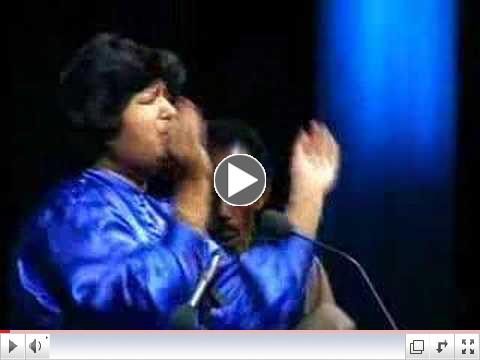 | |
Abida Parveen: Sufi Poetry Singer
(with English Subtitle) |
 Abida Perveen is a rarity in the world of Sufi music, a female lead performer from Pakistan. She is a singer of Sindhi descent and one of the foremost exponents of Sufi music (Sufiana kalaam). She also is the finest singer of ghazal, geet and sindhi, seraiki and punjabi kafees. Abida Parveen sings in Urdu, Sindhi, Seraiki, Punjabi and Persian, and together with Nusrat Fateh Ali Khan is considered one of the finest Sufi vocalists of the modern era. She performed in New York last year. Malay-Islamic Zapin: Musical Dance Revival by Anis Nor
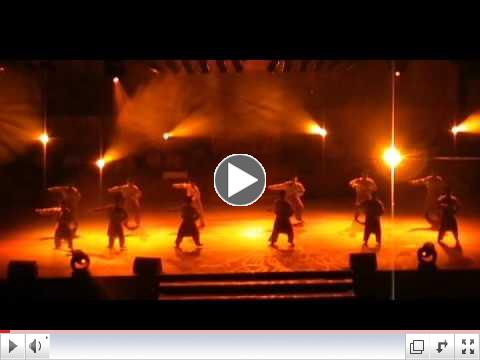 | |
Malay-Islamic Zapin
(Yayasan Warisan Johor, Malaysia) |
The dance is called Zapin Tenglu, one of the many types of zapin dances in Malaysia. This type of zapin dance originated from the state of Johor and among the most popular Malay folk dance in Malaysia. The dancers are among professional zapin dancers from Johor's Heritage Foundation funded by the State of Johor Government (Yayasan Warisan Johor) where, Dr. Anis Nor has been responsible in the Zapin revival program in Johor since 1994. The syncretic combination of Arab and Malay performance elements seen in this dance with the extensive use of dance and music notations. Voice and Soul of Uzbekistan by Razia Sultanova 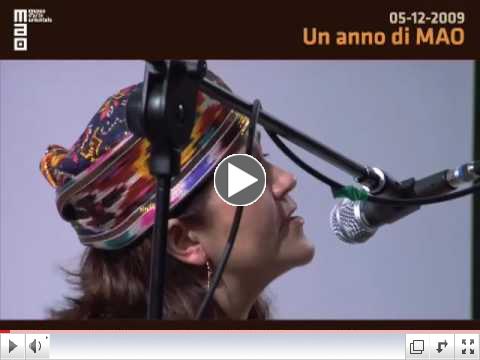 | |
Razia Sultanova: An Academician who Promotes Sufi Heritage from Central Asia |
A clip on Dr. Razia Sultanova, an academician on Central Asia music who occasionally perform to promote Sufi heritage from Central Asia. In this clip she sung a short 16 century song by Uzbek Sufi's poet Mashrab. She also organized Nouruz Ensemble in 2005. The aim of the group Nouruz, is to share with their audiences the atmosphere of celebrations and festivities, from Central Asia. Performed on authentic folk instruments, Nouruz's programme combines classical music, folk music and dances, wedding songs, meditative munajats, 19th century compositions, and women's ritual music from Central Asia. Mindanao Kulintang Ensemble
with Usopay Cadar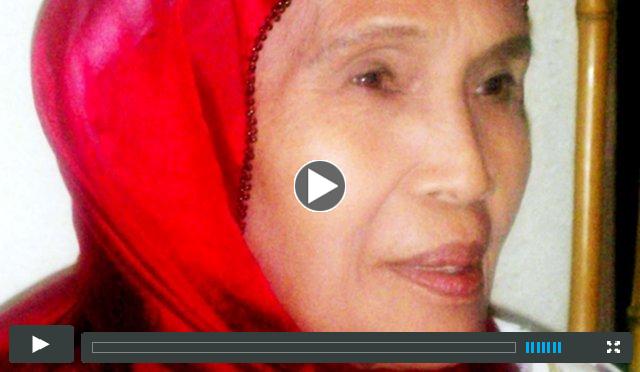 | |
Usopay Cadar with Mindanao Kulintang Ensemble |
In this video, the Mindanao Kulintang Ensemble accompanies Maimona, Dr. Usopay Cadar's sister, as she plays the kulintang. Kolintang (the Maranao spelling of "kulintang") is a term used to describe the centerpiece melody instrument of horizontally laid kettle gongs and the ensemble made up of the kolintang, large hanging gongs (agong), drum (dabakan) and other instruments. Dr. Cadar is noted as a pioneer in Maranao kolintang to academia and various communities nationally and internationally. |
New Online Resources
Muslim World Music Collection
Muslim World Music Day is an online effort to identify and catalog all the recordings of Muslim music in the world. It will be a step towards making this culturally significant body of work readily available to people around the globe for study and enjoyment. Sufi Music Page TheSufi.com presents the largest and best free collection of sufi music across the globe, including: Kaafi/ Ka'afi (folk sufi music) from Pakistan, Ney sufi music from Turkey, Persia (Iran), Egypt and Middle East and Qawali style sufi music from the Sub Continent. In addition, this website also includes Na'at, Sufi Chants, Sufi poetry recitations, and modern sufi music fusions. Pakistan Classical Music Sadarang Archives was formed in 2000, with the primary aim of safeguarding the musical and cultural heritage of Pakistan. The concept of Sadarang Archives arose as a result of the concerns of a few individuals worried about the dilapidated condition of Pakistan`s classical music scene. The organization has undertaken preliminary steps in their aims, by setting up an archive and arranging seminars, concerts, lectures and demonstrations by leading exponents of classical music. Mindanao Music
Asian musical cultures come together in the Southern Philippines or Mindanao. On these islands, old Malay music and a later form of India/Muslim music coexist. Unaccompanied singing and the use of bamboo ideocords and bamboo flutes are indicative of practices common in Malaysia. The chanting of long, melismatic melodies are reminiscent of Indian and Islamic music; while gong playing with basses evokes practices similarly observed in Indonesia, Laos, Thailand, and Burma.
Kulintang Music Among many Magindanao instrumental music forms, kulintang is the most frequently performed. The Magindanao is one of the major Muslim ethonoliguistic groups in the Southern Philippines(the Maranao as mentioned above is another). Kulintang is a set of eight small bossed gongs in graduated sizes, horizontally laid on a rack called antangan (from antang, "to arrange"). Kulintang also refers to the ensemble in which this instrument is accompanied by four other instruments. Musical Malaysia This is a landmark, original website covering ALL aspects of Malaysian music. It is a one-stop site for information on music in Malaysia based on musical context, genre and region. In addition, it lists numerous researches done on Malaysian musical tradition. Nasyid: Muslim Religious Song Nasyid For Us has been compiling resources and songs on nasyid. Nasyid is a form of Muslim religious song, sung in harmony to the accompaniment of local and Middle Eastern frame drums played in interlocking rhythms.
|
|
Call for Participation
Call for Class Registration:
Sociology of Muslim Societies Class
Looking for interesting class to take this summer at the University of Hawai'i at Manoa? Register for "Sociology of Muslim Societies" for Summer II 2011. The course is listed under "Sociology of Religion" by Sociology and Religion Departments. The details to register for Religion credit are:
CRN#: 92066
Course: REL 452
Section: 701
Instructor: A Faizunnisa
Class: KUY 306
Dates: 07/05-08/12 (Summer II)
The class is also listed in Sociology courses under SOC455 (CRN 92088). Check registration dateline here or email azeema@hawaii.edu for further information.
Call for Papers: Muslim Religious Authority in Contemporary Asia Workshop
Asia Research Institute at the National University of Singapore invites those who are interested in participating in the workshop to submit original paper proposals. This workshop will develop a nuanced assessment of the developing roles of Muslim religious leaders (ulama) in modern Asia, pursued through contextualized studies of social, legal and political dynamics of Islamic religious leadership in diverse Asian contexts. Deadline for submission: 1 July 2011 Call for Panels: Sacred Precincts: Non-Muslim Sites in Islamic Societies This panel on sacred architecture invites papers which examine structures and spaces created by and for non-Muslims in predominantly Muslim societies from the emergence of Islam in the 7th century to the present day. Papers may focus on a single monument, a building type, a particular city or region, a faith other than Islam, or any other topic relevant to the historical presence of non-Muslim sacred architecture in Islamic cultures. Deadline for submission: 1 June 2011 |
Special Lecture
Retreating Borders:
Musical Islam in an Uncoverted Land
Presenter:
Julia Byl,
Asian Studies and Music ACM-Mellon Post-Doctoral Fellow, St. Olaf College
Date: April 18, 2011 (Monday)
Time: 12:00p.m - 1:30p.m
Place: Center for Korean Studies Auditorium,
Manoa Campus
The Toba Batak ethnic group is often described as one of the most Christian groups in one of the most Muslim nations in the world. This presentation shows how a Toba Muslim musicality is recovered and asserted in various places: in the borders between Sumatran regions and religions; in the realm of Contemporary Indonesian cultural politics; and in a place that spans both of these: the urban palm wine stands where Toba men gather to play their guitars and discuss their beliefs. Event Sponsor: Asian Studies Program, School of Pacific & Asian Studies, Manoa Campus More Infomation: Tess Constantino, 956-6085, t.constantino@hawaii.edu http://www.hawaii.edu/shaps
|
Articles
Singing Islamic Modernity:
Recreating Nasyid in Malaysia
by
Tan Sooi Beng
This paper examines the development of pop nasyid, a type of Islamic popular music which engages performers and audiences in a dialogue about Islamic modernity in Malaysia. Pop nasyid appeals to younger Muslims by projecting a non-western Malaysian modernity even as it adapts global trends in popular music and uses new technology, media, and marketing strategies. The musicians also identify with a global Islamic movement through musical texts, musical elements, video imagery, and costumes. At the same time, they recreate modern local interpretations of Islam and include local Malaysian musical elements in their songs.
Full Article available here
'Dance Drills, Faith Spills':
Islam, Body Politics, and Popular Music in Post-Suharto Indonesia
by
Andrew N. Weintraub
In February 2003, a woman's body became the focal point for public debates about religious authority, freedom of expression, women's rights, and the future of Indonesia's political leadership. At the center of these debates was Inul Daratista, a popular music singer/dancer from East Java, whose dancing was described as 'pornographic' and therefore haram, forbidden by Islam. In this essay, I describe how and why Inul's dancing body became a central symbol in debates about religion, culture and politics in the years following the fall of Indonesian ex-president Suharto in 1998.
Full Article available here
From Rebel Songs to Moro Songs: Popular Music and
Muslim Filipino Protest
by
Mary Talusan
Rank-and-file supporters of the Bangsamoro rebellion (1972-1977) articulated their personal sentiments about the war in a genre called "rebel songs." The lyrics reveal that fighters' personal aspirations often diverged from the official aims of separatist leaders. This article examines how rebel songs transitioned into "Moro songs" in the post-martial law era and why they came to more narrowly reflect the movement's official goals of Moro unity and Islamic renewal.
Full article available at here |
Events
Featured Inside Islam: What a Billion Muslims Really Think  15 April 2011 Art Auditorium, University of Hawaii at Manoa 10 Condition of Love17 April 2011  (7:30p.m) Reading Room, Hale Manoa, East West Center, Honolulu. Organized by MSAP, please email msap@hawaii.edu by April 16 to arrange for access to the screening place. Musical Islam in Uncoverted Land (Lecture) 18 April 2011 (12:00p.m - 1:30p.m) Center for Korean Studies Auditorium, University of Hawai'i at Manoa Religious Pluralism and Muslims in the USby Imam Feisal Abdul Rauf 25 April 2011 Hilton Chicago, 720 South Michigan Avenue, Chicago, IL 60605 One World 2011Beginning June 2011 Seattle, WA
|
|
Employment Opportunities
Academic
Assistant Professor, Lecturer, Instructor in Islamic Studies (Visiting Appointment)
University of Illinois Urbana-Champaign, Illinois
Last day to apply: 22 April 2011
Assistant Professor, Associate Professor, Full Professor, Islamic History / Studies (all ranks)
Mardin Artuklu University, Turkey
Last day to apply: 30 April 2011
Assistant Professor, Islamic or Buddhist or Confucian Religious Thought/Philosophy
Syracuse University, New York
Last day to apply: 1 May 2011
Assistant Professor (tenure-track), South Asian Religions
University of Georgia, Georgia
Last day to apply: 8 May 2011
Assistant Professor (tenure-track), East Asian Religions,
University of Saskatchewan, Canada
Last day to apply: 15 May 2011
Community
Course Director
Secondary Teacher Education Program
Institute of Ismaili Studies,
United Kingdom
Closing Date: 1 May 2011
|
|
Conferences
International Conference on Imam Shafi'i: Reformation of Islamic Thought
1 to 2 November 2011
Bandar Sri Begawan, Brunei Darussalam
Abstract Dateline: 18 April 2011
2012 International Conference on Religion and Spirituality in Society
20 to 22 February 2012
Vancouver, Canada
Abstract Dateline: 5 May 2011
World Congress for Islamic History and Civilization
10 to 11 October 2011
Kuala Lumpur, Malaysia
Abstract Dateline: 30 June 2011
2nd International Conference on Islamic Education 2011 (ICIEd2011)
12 to 14 December 2011
Bangi-Putrajaya, Malaysia
Full Paper Submission: 5 October 2011
10th East-West Philosophers' Conference
16 to 24 May 2011
University of Hawaii - East West Center, USA
4th International Indonesia Forum Conference: 2nd Call for Papers
28 to 29 June 2011
Yogyakarta State University, Indonesia
IIUM International Accounting Conference V
12 to 13 July 2011
Kuala Lumpur, Malaysia
Islamic Tourism Conference & Travel Mart 2011
13 to 14 October 2011
Kuala Lumpur, Malaysia
Law and Religious Pluralism in Contemporary Asia
17 to 18 November 2011
National University of Singapore
|
|
Fellowships
Student Scholarships for ANU Asia Pacific Week
Application deadline: 21 April 2011
2012 Monbukagakusho Research Scholarship
Application deadline: 21 April, 2011
King's India Institute PhD Studentship
Application deadline: 30 April 2011
PhD Scholarship Opportunity
Applications deadline: 31 May 2011
|
|






