Greetings!
Vaccinations are an essential part of preventative health. This year the flu vaccine contains the standard flu and the H1N1 varieties, so only one injection is required. The pneumonia vaccine is highly recommended for many of our patients, including: all adults aged 65 and older, and all persons over age 2 with chronic medical conditions such as lung disease and asthma, heart disease, liver disease, kidney disease, sickle cell disease, diabetes, or alcoholism, immuno-compromising conditions such as lymphoma or leukemia, persons with no spleen, and those undergoing treatments with steroids or radiation. Also included are patients with HIV or AIDS, those living in environments with increased risk such as in nursing homes, those with cochlear implants or leaks of cerebrospinal fluid, and smokers. Click here for the full adult immunization schedule as recommended by the Centers for Disease Control and Prevention. |
| Laboratory Confusion Resolved |
 There has been unexpected confusion surrounding the billing practices of one of the labs we are using, Genova Lab. We have been using them because they are one of the leaders in their field and overall are the most affordable. They are contracted with Medicare and TriWest and bill secondary insurances with a few exceptions. For most PPO insurance plans they offer the "pay assured" program. Patients pre-pay a certain amount, and the lab agrees to bill the insurance company and accept whatever is paid, even if it is nothing. Patients are guaranteed that cost no matter what the insurance pays, but accept that they will receive no insurance reimbursement for the lab being performed. The amount they are paying is much below true retail price for these services as charged by other labs. As an out-of-network lab they can bill the insurance company any amount they wish, though the insurance companies rarely pay more than a small fraction of their charge. Because of this, patients occasionally receive EOB's showing large, unpaid bills and worry that they will be charged that amount. Under the "pay-assured" program that will not occur. Patients never receive any bills. Occasionally, the insurance does pay, and the check is sent to the patient. When that occurs, Genova Lab sends a bill to the patient for that amount. That money belongs to the lab and must be paid to them. If you receive the payment for the lab services, you can sign the check over to the lab, deposit it and send them a check for that exact amount, or wait for their bill. It is not money you can keep. We are investigating other labs, so that our patients have more options at the best cost. Our entire focus is on finding the highest quality labs at the lowest prices. None of the money goes to us, since we are just the middle-men in the process. Hopefully this has helped clarify the laboratory billing situation. Please let us know if you have questions on this or any other issue. |
| Diabetes in the News |
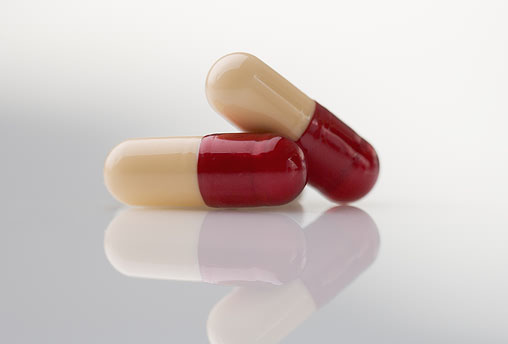 Two new studies concerning diabetes management were recently published. The first study, the Translating Research into Action for Diabetes (TRIAD) trial, reviewed a type of diabetes pharmaceutical known as thiazolidinedione (TZD). Two drugs were involved - rosiglitazone (Avandia) and pioglitazone (Actos) - with both being associated with a 71% increased risk of fracture in postmenopausal women with type 2 diabetes. Senior author Dr. William Herman of the University of Michigan Ann Arbor said, "Physicians should be aware of this risk and weigh the benefits and risks of therapy when they initially prescribe or renew prescriptions for TZDs." If you are currently taking either of these medications, please call to schedule an appointment with Alison Gracom, our endocrine specialist PA, to discuss whether or not you should continue to take them. The other study, funded by the American Diabetes Association, revealed that in elderly adults with diabetes, one or more hypoglycemic events occurred despite elevated hemoglobin A1c's. This means that when overall glucose levels remain abnormally high in elderly diabetic patients, there are still frequent episodes of hypoglycemia. Although the average glucose level is high, there are still many occasions when blood sugar drops dangerously low. In this study, the nocturnal episodes of hypoglycemia lasted for an average of 2.5 hours. Lead author Dr. Munshi noted, "The duration of episodes was quite concerning." If you are in your 70's or older and have diabetes, you should be aware of this risk of hypoglycemia. If you are unsure how to be prepared to manage this issue, please come in to see Alison Gracom. |
| Evening Seminar Series in October |
Please join us for either or both of these exciting seminars being presented in September. Be sure to invite your friends and family, too. All interested persons are invited to attend, and, as always, they are completely free. The seminars are held in our office reception area, commencing at 6:00 PM and lasting until 7:00 or 7:30 PM. Please call 949-753-7475 to reserve your seats. "Diabetes - The Dangerous Epidemic Amongst Us" with Alison Gracom, Endocrine Specialist PA on Tuesday October 13, 2010. Diabetes is a disease growing into epidemic proportions due to the typical American diet now consumed and the low level of physical activity engaged in by most of us. The key is to discover this horrifying condition in its earliest stages, to reverse it and halt its deadly progression. Come to this very important seminar to learn how you can defeat diabetes.  Second in the Sex Series: "How to Make Sex Better!" with Dr. Felice Gersh on Monday, October 26, 2010. Sex is a natural, normal part of life. Unfortunately, for many reasons, at many stages of life, sex may become less satisfying or more difficult. There are safe and effective ways to make sexual responses more powerful and enjoyable. Join us for a girls-only evening where there is nothing that can't be discussed. |
| Hormone Use in Menopause May Protect Against Cerebral Aneurysms |
 There has long been a hypothesis that physiologic decreases in estrogen levels are associated with the development of cerebral aneurysms in menopausal women. The results of a retrospective, case controlled study were presented recently at the annual meeting of the Society of Neurointerventional Surgery, and the results support this hypothesis. The study was initiated in response to the results of two large brain aneurysm trials which found that 70% of aneurysms occur in postmenopausal women. This new, retrospective study discovered that the women who used hormones in the menopause had a statistically lower rate of both ruptured and unruptured aneurysms. This finding is very important for all women and the lead study author, Michael Chen, MD, assistant professor of neurology, neurosurgery, and radiology at Rush University in Chicago stated, "We might consider putting women with an unruptured aneurysm on some sort of estrogen modifying agent, particularly at menopause...it may be protective." As time goes by, more and more data in favor of the use of estrogen in the menopause is being accumulated. We will continue to update you as new information arrives. |
| Cosmetic Specials for October! |
 * BotoxCosmetic Deal! * BotoxCosmetic Deal!Enjoy the benefits of BotoxCosmetic by taking advantage of our great price of only $11 a unit, with a 30-unit minimum purchase. Botox can smooth out those unwanted lines that appear around the eyes, on the forehead, and between the eyebrows. The best way to find out how Botox can enhance your appearance is to set up an appointment with Dr. Christine Nguyen.
* Laser Specials Begin your rejuvenation plans with the magic of lasers. For the month of October we are offering our best deals - 50% off all laser packages. Choose from the wonderful Intense Pulsed Light Laser, the fabulous FRAXEL, or the top-of-the line laser hair removal laser. With these lasers we can reduce brown spots, wrinkles, redness, little blood vessels, and unwanted hair. You will rejoice when you look in the mirror.
* Dermal Fillers This month's promotion is exceptionally special! Buy any 2 syringes of dermal fillers and get half off a third syringe costing the same or less. Dermal fillers are amazingly effective at creating instant changes in your appearance. In just 30 minutes you can look years younger!
* Skin treatments by Kris We are still offering facials for the shockingly low price of $30 for any of our hour-long treatments! This offer includes all of the totally organic facials we now offer. This is well below our cost but we are so excited with these treatments that we just don't want price to prove a barrier for anyone. Call for your appointment today! |
| Magnesium - Our Hero in the Fight against Type 2 Diabetes |
 There is much observational data showing that magnesium is beneficial for preventing Type 2 Diabetes. The Nurses' Health Study, for example, followed more than 85,000 women for 18 years. Those who consumed the most magnesium had a 27% lower incidence of diabetes compared to those who consumed the least. Several other studies showed a similar association. In addition to lowering levels of fasting insulin and reducing the risk of diabetes, higher levels of magnesium resulted in lower levels of high-sensitivity C-Reactive Protein, an inflammatory marker associated with cardiovascular risk, and other signs of chronic low-level inflammation. It is currently believed that inflammation is a contributing factor in the development of Type 2 Diabetes, which in part explains the association between obesity and diabetes, since obesity can cause chronic inflammation. Some of the foods which are high in magnesium include nuts, halibut, soybeans, yogurt, and pumpkin seeds. Women should get at least 520 mg of magnesium daily, while men should get 420 mg. If your diet is deficient in magnesium, add a supplement, the best form of which is chelated magnesium. |
| Quick Medical Takes for Up-to-Date Patients |
 Protein is For Building Muscle Protein is For Building MuscleIf you want to get the most out of your weight lifting sessions, eat protein instead of carbs beforehand. This information comes from "Medicine and Science in Sports and Exercise." Those who ate 18 grams of protein before their workouts burned more calories the next day compared to the carb eaters. As protein helps repair muscle damage by using a lot of energy, consuming more protein results in more repair and burns more calories. More Evidence on the Importance of Vitamin DA new study has discovered that women with low levels of Vitamin D have extra fat in their muscles. This information was published in "The Journal of Clinical Endocrinology and Metabolism," and shows that these women have less lean muscle and therefore less strength. Be sure to get your Vitamin D level checked and get on a supplement if you aren't on one at this time. Vary Your Diet to Maximize Nutritional IntakeOften people eat the same vegetables over and over, forgetting to browse and sample from nature's vast pantry. Here are some simple switches for you to consider doing from time to time. Try kale instead of spinach - you will get more than seven times the amount of lutein, a nutrient important for eye health. Try raspberries instead of strawberries - you will get three times more ellagic acid, a nutrient which may help prevent cancer. Trade sweet potatoes for carrots - you will double your intake of beta-carotene, a known enhancer of the immune system. Swap papaya for oranges - get five and a half times more beta-cryptoxanthin. This nutrient may reduce your risk of inflammatory conditions such as arthritis. |
| Enhancing Fertility with Botanicals |
Infertility affects as many as 15% of all heterosexual couples in America, causing much heartache, suffering, and expense. Ovulatory dysfunction is the cause of 45% of female infertility and is often treated successfully with conventional medications. Not all women, however, are successful and many seek other treatment pathways. There are a large number of herbal and nutritional therapies which have enjoyed a long history of safety when used for infertility, and many have scientific studies supporting their efficacy. As always, it is prudent to check on drug/herb interactions and to use an organized and methodical approach to the treatment of infertility. The goal is to find the best therapeutic approach, whether conventional, nutritional/botanical, or a concurrent use of both. Here are a few of the many alternative options available: Vitamin E can assist in achieving and maintaining pregnancy in women with habitual miscarriages. In fact, just taking a multivitamin/mineral supplement has been shown to increase female fertility. Arginine is an amino acid that has been shown to improve fertilization rates in women who had previously failed in vitro fertilization.  PABA PABA supplementation resulted in pregnancies in 12 of 16 infertile women in one study. Chaste Tree Berry (Vitex) modulates the secretion of prolactin and progesterone levels and can promote ovulation. Black Cohosh has been shown to stimulate pituitary secretion of LH, leading to ovulation. Black cohosh may be especially valuable for women in their 40's with rising FSH levels due to ovarian aging. Rhodiola may also enhance fertility through several mechanisms. It is believed to promote thyroid function and egg maturation, restoring normal menses in 25 of 40 women in one study. This is just a sampling of the many nutritional and botanical substances found to enhance female fertility. If you have an interest in incorporating this approach, please make an appointment to discuss your situation with Dr. Gersh. |
| Pharmaceuticals and Your Nutritional Status |
Pharmaceuticals can be extremely effective in treating disease states, but they may also have significant side effects. In some cases, that includes depleting the body of essential nutrients. In previous newsletters we have mentioned the negative nutritional effects of several medications, such as Metformin on Vitamin B12, Proton Pump Inhibitors (Nexium, Prilosec, etc.) on minerals, including calcium, B12, and Statins (Lipitor, Zocor, Crestor, etc.) on CoQ10. Here are a few other pharmaceuticals and their effects on nutritional status.
Diuretics (Hydrochlorthiazide, Diuril, Hygroton) - This group can lower levels of magnesium, potassium, zinc, CoQ10, and sodium.
Non-Statin Cholesterol Lowering Medications (Colestid, Questran) - These medications can lower vitamins A, B12, E, D, K, beta-carotene, folic acid, iron.
Oral Contraceptives - They can lower vitamins B2, B3, B6, B12, C, folic acid, magnesium, selenium, zinc.
Aspirin - This common agent can lower vitamin C, folic acid, iron, potassium.
If you are using these medications, please be aware of these issues. We recommend that you take a high quality multivitamin/mineral supplement and see Denise, our expert nutritionist, to learn how to modify your diet to maintain optimal health. |
|
We hope you've found this issue of our email newsletter informative and enjoyable. We look forward to bringing you more news about opportunities to live better and healthier in the future.
If you would like to learn more about the many services provided by WMGI, please visit our Web site at www.wmgi.org.
Sincerely,
The Healthcare Professionals at
Women's Medical Group of Irvine | |
|
|
|
| The Doctor Is In |
As a woman who is getting older, a physician, and an advocate for natural, organic products, I am faced with a dilemma. How do I reconcile all of these factors when I look into the mirror and see wrinkles and sagging skin developing? Most women want to look young for their entire lives, while at the same time wanting to be comfortable with the concept of growing old naturally and comfortably within their own skins. They want to use only natural and organic products, while the aesthetic world provides wonderfully effective rejuvenating substances which are not naturally found in their bodies.
I certainly do not have all of the answers, but I can share my own personal way of dealing with the reality of aging and the options available to counter its effects on beauty. I have settled on a kind of comfortable compromise, deciding to pursue "youth" by utilizing the least invasive and safest products and procedures as a first line approach. I undergo microdermabrasions, organic facials,and cosmetic peels, all of which are actually quite compatible with a natural approach. With microdermabrasions the skin is superficially "sanded" down then naturally repairs itself. With peels, a layer of skin is lightly burned with a natural, mild acid, followed by healing, while organic facials utilize only safe, unadulterated skin products. I also utilize lasers which allow the body's own healing processes to regenerate collagen and correct discolorations without any pharmaceutical toxins.
Probably the items I struggle with the most are the dermal fillers and BotoxCosmetic. Clearly injecting a foreign substance into the body is more challenging to justify for an "all natural" female like myself. The truth is that, like all people, I live with some inconsistencies and compromises, and realize that sometimes it is all right to trade very small risks for potentially significant benefits, just as we do when we prescribe and take pharmaceuticals. The dermal fillers are a man-made hyaluronic acid, the same substance found in collagen which gives our skin a fuller look, while Botox has been used many millions of times with virtually no serious, permanent harm when used for simple cosmetic purposes.
Life does involve some risk. I ski, river raft, kayak, climb mountains, bicycle, drive a car, and so on. Some of those activities give me joy and others help me accomplish what needs to be done. We live in a complex society and we are complex beings. I accept that I, too, make decisions based on many factors which include safety, personal happiness, the greater good, and cost. I am comfortable espousing an all natural, organic approach to life while still using all of these services and products.
Wanting to look one's best is not a crime. It shows a healthy amount of self-esteem and a forward view towards life. No woman or man would undergo aesthetic procedures unless they looked into the future, saw themselves both ways, and chose the younger look. Growing old can involve just putting moisturizer on one's face, using lasers, dermal fillers, peels, or even surgery. I can live with all of these possibilities and still feel comfortable with my views towards aging and natural substances. It is for every woman and man to think through these issues and come to terms with her/his own personal take on this. I would welcome comments as to what you think about the potential conflicts involving this subject.
Felice Gersh, M.D. |
| Quick Links |
|
(949) 753-7475 |
|
|


