| Greetings!
We are sad to report that one of our massage therapists has moved on, leaving to pursue other career goals. We wish her well.
Our fantastic therapist, Cherie, however, remains to sooth away your aches and stresses, employing a variety of therapies to treat a huge array of problems. Her Lava Shell Massage, for example, is fantastic for patients with fibromyalgia - utilizing deep heat and only light pressure. The feedback we receive is universally great.
For those of you who have never experienced a treatment with Cherie, we enthusiastically recommend her to you. As for those of you who have already experienced her magic hands, we'd like to encourage you to get another treatment soon. Consequently, to welcome new and returning patients, we are offering a significant discount on any massage treatment of an hour or longer. Simply bring a copy of this newsletter article to your appointment, and you will receive a $40 discount off any 90-minute treatment or a $20 discount off any hour massage therapy! This is the biggest discount we have ever offered, but we really want all of you to get the treatment you deserve.
Remember, as this is a medical office, there are never any costly tips to give, which makes our massage treatments even more affordable than the alternatives. Call for our prices and treatment options today! |
| Cancer Benefits of Vitamin K2 | |
 Research reported in March of this year in the Journal of Clinical Nutrition revealed the enormous health benefits of Vitamin K2. While previous research had found tremendous benefits of Vitamin K2 in cardiovascular and bone health, results of the just-released EPIC study (the European Prospective Investigation into Cancer and Nutrition) now suggest that the highest intakes of Vitamin K2 are associated with a significant reduction in both the occurrence and mortality of cancer. In fact, high intakes of Vitamin K2 correlate with a 30% reduction in cancer mortality rates. There are two forms of Vitamin K, and both are important. Vitamin K1 makes up 90% of the Vitamin K found in the Western diet and is most prevalent in green leafy vegetables like broccoli, lettuce, and spinach. Vitamin K2 is vital to proper blood clotting mechanisms. Most of the Vitamin K2 we have in our bodies is actually synthesized in our gut by the bacteria which reside there, though it is unclear if that K2 is actually used by our cells or if it remains solely within the bacteria themselves. The main food source of K2 is both hard and soft cheese, while egg yolks and grass-fed beef also have some K2. As optimal levels of K2 are hard to obtain from the diet, it may be best to take extra K2 as a supplement. Research into the benefits of Vitamin K2 is rapidly progressing, and we will be providing updates as it becomes available. |
| Reduce Your Risk of Getting Breast Cancer | |
 While a great deal of attention has been paid recently to the appropriate frequency of mammograms to detect breast cancer at an early stage in women, we feel it is equally important that women take all available steps to avoid getting breast cancer in the first place. Though early detection is great; avoidance is even better. So what can a woman actually do to reduce her chances of getting breast cancer? Here we present a rundown of real steps you can take to avoid that dreaded diagnosis. Each recommendation is supported by compelling scientific data. 1. Exercise for 30 minutes each day. 2. Reduce your exposure to pesticides, industrial pollutants, and exogenous hormone residues in dairy products, chicken, and meat. That translates into buying the best food you can - organic produce; organic dairy products and milk; cage-free and grass-fed organic eggs, chicken, and meat; limiting the use of pesticides in your home; avoiding the use of toxic chemicals in your home; and getting a water purifier or charcoal purifier for your drinking water. 3. Consume certain food items which are associated with a lowered breast cancer risk. These include flax seeds and flax meal (2 tbsp. daily); 1 serving daily of organic, unprocessed soy (milk, tofu, soy beans, or miso); olive oil (1-2 tbsp. daily); Omega 3 fish oils (1 gram daily); wild salmon and sardines (3 servings per week); a handful of walnuts frequently; and 8-10 servings of organic fresh fruits and vegetables daily. Organic fruits and vegetables are best, not only because they are not enveloped in those awful pesticides, but because they have a greater supply of cancer fighting phytonutrients. Plants which have to fend off nasty bugs develop greater supplies of these natural fight-for-survival chemicals. When we consume them, our bodies can fight off unwanted invaders, such as cancer cells, better. Of special significance are cruciferous vegetables - kale, Brussels sprouts, cabbage, broccoli, and cauliflower. These contain a substance called "indole 3 carbinol" which has specific anti-breast cancer functions. Be sure to eat a lightly steamed serving of these daily, since they have a mild anti-thyroid effect when eaten raw. 4. Lose weight if you need too. Obese women have an increased risk of many cancers, including breast cancer. We convert our naturally occurring androgens, such as testosterone, into the more dangerous form of estrogen in our biologically active fat tissues. The less fat; the less conversion occurs. 5. Limit alcohol consumption to a maximum of one small serving per 24 hours. Less is better. Alcohol pushes our estrogen metabolism in the liver down the "bad pathway" which leads to the production of carcinogens. 6. Take a good multivitamin daily - it is reasonable insurance against missing a few key nutrients on some days. We recommend that women also take extra B vitamins if they are on hormones (whether birth control pills or menopausal hormone therapy), since these hormones break down B vitamins in the liver. We often recommend that our patients take a methylated folate supplement, because 40% of people are unable to add the methyl group onto folic acid due to a genetic dysfunction. This hinders estrogen metabolism, resulting in an increased breast cancer risk. This issue is circumvented when the folic acid enters the body with the methyl group already attached. 7. Be sure to get some iodine in your diet. Three tissues in the body concentrate iodine - the thyroid gland, the ovaries, and breast tissue - and there is now data suggesting that low iodine in the diet can increase one's breast cancer risk. Japanese women consume lots of seaweed which contains lots of iodine. We now encourage our patients to eat seaweed regularly and we are looking into the use of iodine supplementation, so stay tuned! For many people these lifestyle changes will seem to be annoyingly inconvenient. None of them, however, compares to the emotional and physical inconvenience of having breast cancer. If you have concerns about breast cancer, breast tenderness, or fibrocystic breast disease, please set up an appointment with Dr. Gersh or Dr. Meric to review your special situation, and we will make appropriate recommendations. |
| Evening Seminar Series in June | |
Please join us for either or both of these exciting seminars being presented in June. Be sure to invite your friends and family, too. All interested persons are invited to attend, and, as always, they are completely free. The seminars are held in our office reception area, commencing at 6:00 PM and lasting until 7:00 or 7:30 PM. Please call 949-753-7475 to reserve your seats.  "A Hair-Raising Tale of Hair Loss in Women!" with Dr. Felice Gersh on Thursday, June 10, 2010. Due to the great interest expressed in our seminar on hair loss in women in May and the fact that many disappointed women were unable to attend, we are repeating our discussion of this topic. Now is your chance to hear all about this worrisome problem, and what you can do to slow the process down or stop it altogether. "Is Stress Ruining Your Health?" with Dr. Janel Meric on Monday, June 21, 2010. While we all experience moments of stress in our daily lives, there are those who take "fight or flight" to extreme levels. Come hear our newest doctor, gynecologist and women's health specialist Janel Meric, M.D. speak on the mind-body connection, and how you can regain control of your health. If you've ever felt "stressed-out," this evening seminar will provide both information and relief. |
| Update on Strokes | |
 Strokes Increase in Patients Under 45 Strokes Increase in Patients Under 45Not only is the average age of stroke patients getting significantly younger, but the proportion of young stroke patients (those younger than 45 years), is going up significantly. This finding was reported in a population-based study of more than one million people followed over a twelve year period. The percentage of stroke patients younger than 45 years rose from 4.5% in 1993-1994 to 5.5% in 1999 and shot up to an astounding 7.3% in 2005. Of note was that more than half of all stroke victims were women. The reason for the increase in stroke is thought to be the increased incidence of both diabetes and coronary heart disease. Both of these conditions significantly increased in those aged 20-44 during the decade from 1995 to 2005. There were similar trends for hypertension and high cholesterol during those years, though not as significant. Better Drug Found to Reduce Recurrence of StrokesA recent study demonstrated that the drug Cilostazol reduced the risk of strokes in those who had already had a stroke, surpassing aspirin's ability to prevent a recurrence by more than 25%. The brand name for Cilostazol is Pletal, a drug originally approved for treating intermittent claudication (leg pain with activity.) The study was performed in Japan and supported by two pharmaceutical companies. If you have any risk factors for stroke, we urge you to come in and be evaluated. We will perform the appropriate lab tests and get an ultrasound of your carotid arteries if indicated. Our first approach is always through non-pharmacologic means and lifestyle alterations. Of course, we will prescribe necessary pharmaceuticals as indicated in at-risk individuals. |
| Cosmetic Specials for June! | |
To get you all off to an amazing summer, we are now offering our best deals ever. We also want to let you know that Dr. Gersh now joins Dr. Nguyen in being fully trained in the ultimate uses of BotoxCosmetic, along with the dermal fillers. When you schedule, let us know if you have a preference, and we will do our best to comply with your wishes.
 * Botox Bonanza for the Novice and Experienced Patient * Botox Bonanza for the Novice and Experienced PatientFor those of you who have been thinking about Botox, but just haven't tried it yet, now is your chance. We have never offered this unbelievable price before, but we want everyone interested in giving it a try to be able to afford it. Now ONLY $9 a unit, with a minimum purchase of 20 units - the typical amount to treat the forehead and area between the eyebrows. For repeat customers, we are offering the same deal at only $10 a unit! Usually the effects last about 3 months, longer or shorter for some.
* Skin Treatment Giveaway! Yes, as hard as it may seem to believe, we will give away micro-dermabrasion facials and skin peels in the month of June. If you can persuade a friend to come in and give us a try by getting any micro-dermabrasion, facial, or skin peel treatment, we will give you a procedure of your choice, of the same or lesser value, absolutely free! Of course, you are welcome to split the savings with your pal, but that is up to you. We can assure you that your friend will get a wonderful experience and will thank you for your referral. Our micro-dermabrasion treatments are truly amazing, being much more elaborate than the same procedure elsewhere and including many features of a facial as well.
* Laser Love-Affair Yes, we do love our lasers. They perform many "miracles" on our skin-removing unwanted hair, red and brown spots, fine lines, and the general effects of aging and sun exposure. We will give any patient a coupon for 50% off any laser package during the month of June with the purchase of $100 or more of any skin care products or supplements. Since you all need those items anyway, this is a deal you just can't beat!
* Dermal Filler Deals Nothing turns back the clock faster than those amazing dermal fillers. They are now being used to fill in the entire face, rebuilding chins, nasal folds, sinking cheeks, mouth-lines, lips, frown lines, and basically everything except the skin just beneath the eyes (a no-no spot). It is a "wow" experience to see the transformation that can occur in minutes. To show you just how great these products are, we are letting you have 4 syringes of any combination of fillers for the price of 3! (Free syringe must be the filler of the lowest price category purchased.)
* Free Skin Block for Summer Outings Protect your skin and get beautiful at the same time by taking advantage of this great offer. With the purchase of $150 of any skin care products, we will give you a free, full-sized tube of the number one rated sun block-Anthelios. This is a value of over $30! We carry an extensive line of fabulous skin products, all carefully selected by our superb aesthetician, Kris. She will be happy to guide you in your purchases so that you are thrilled with the ultimate results. And you never have to worry, as we offer an absolutely unconditional, money-back guarantee with the purchase of all of our products. That's how confident we are that you will be happy.
* Discounted Skin Treatment Bonus with every Physical and Annual Check-up As a special summertime bonus, we are offering micro-dermabrasions, facials, and Cosmetic skin peels for only $25, if booked following the visit and scheduled within 30 days of the medical visit. We want all of our patients to enjoy the benefits of healthy, radiant, skin. This is an unbelievable savings of close to $100, depending on the service you choose. This special promotion will be in effect until Labor Day and will be valid with physicals and annual exams performed by any of our physicians, our new Physician Assistant, or our Nurse Practitioner. |
| Pelvic Floor "Rehabilitation" Vital for Proper Bladder Function | |
 The muscles of the pelvic floor are crucial to the maintenance of pelvic organ support, as well as bladder and bowel continence. Pelvic organ support is provided by the physiologically complex interaction between the vagina, the pelvic muscles, the fascial covering, the ligaments within the pelvis, and the pelvic nerves. Deterioration of neuromuscular functions can occur due to the effects of aging and pelvic damage due to childbirth - the number of deliveries being the single greatest risk factor for the development of pelvic prolapse (organs falling down) and urinary and fecal incontinence. Pelvic floor strengthening is a key component in the treatment of these pelvic floor disorders. Rehabilitative treatment regimens include pelvic floor exercises (commonly known as Kegel exercises), certain devices to assist in exercising the appropriate pelvic muscles, biofeedback, and electrical stimulation devices. Biofeedback utilizes a sensor that measures the level of muscle activity generated by voluntary pelvic floor contraction. The muscle activity is then transmitted to a computerized device that provides a visual display, showing the patient the muscle contractions as they occur and allowing the patient to instantly get feedback on how she is doing. Contractions involving the abdominal muscles are also measured and displayed on the computer, informing the patient if she is using the "wrong" set of muscles. Electrical stimulation allows a passive strengthening of the pelvic floor muscles through the use of a device that delivers current to the pudendal nerve (pelvic nerve) through a vaginally placed probe. This technique serves as an excellent adjunctive treatment to the pelvic floor biofeedback. All of these techniques have been shown to have a very beneficial effect on the pelvic musculature and by using these methods consistently over several months, most women get significant improvement of their symptoms. Many women will be able to avoid surgical interventions for incontinence, and, even if surgery is performed, use of these pelvic floor therapies will likely improve the ultimate outcomes. At WMGI we have brand new, "state of the art" biofeedback treatments and offer the very best ancillary exercise devices and electrical stimulation probes to our patients. If you suffer from urinary incontinence, urinary urgency, or fecal incontinence, please call for an appointment with Dr. Gersh. |
| Pharmaceuticals in the News (again!) |
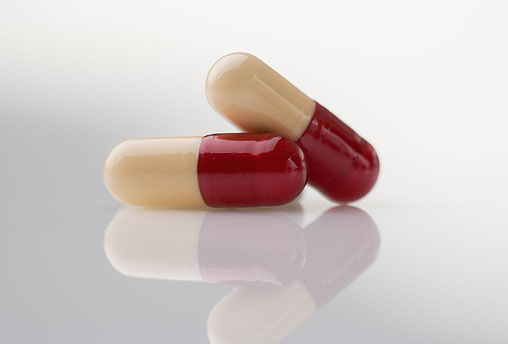 Those commonly prescribed Proton Pump Inhibitors (PPI's) have made the headlines again. You know them as the drugs Nexium, Protonix, Prilosec, and Previcid. A new study showed that they significantly increase the incidence of fractures and more than double the risk of contracting a potentially dangerous bacterium known as Clostridium difficile. Fractures of the spine increased 47% in women using these pharmaceutical agents! These problems occurred because the sharply reduced levels of acid in the stomach and intestinal tract caused by these medications creates a more favorable environment for the growth of nasty bacteria and impairs the absorption of calcium and other vitamins and minerals essential for bone health. While acid can cause esophageal inflammation, it is also essential to the proper health and function of the gastrointestinal tract. Additionally, these drugs were found to have increased the incidence of pneumonia. There are patients for whom these medications can be extremely beneficial, but the use of these powerful drugs has exploded and many people are inappropriately and unnecessarily using them for very prolonged periods of time. To ascertain whether you should be weaned off of these drugs, we recommend you see Dr.Nguyen to discuss your unique situation. We do not recommend you just stop taking these medications, as you may be one of those patients who should remain on them. Even if you should discontinue their use, we recommend that the discontinuation process be done under medical supervision as the withdrawal of PPI's can cause symptoms of heartburn! Call for your appointment to receive close observation and therapy during this process. |
| Vitamin Deficiencies Common and Serious Following Gastric Bypass Surgery | |
 With the explosive increase in the incidence of morbid obesity and the growing popularity of gastric bypass surgery as a treatment, studies are now revealing that severe nutritional deficiencies can occur in a large percentage of this patient population, even if appropriate supplementation occurs. A study out of the Ochsner Clinic Foundation in New Orleans reported that malnutrition, neurological compromise, and vitamin deficiencies are some of the many complications associated with these surgeries. It is vital that this group of patients be aware of the severe vitamin and nutritional deficiencies which commonly occur and that life-long, vigilant monitoring of this high risk group be maintained. If you or a loved one has had or is contemplating gastric bypass surgery, please come in for an appointment. We will review the situation, perform appropriate testing, and provide the most advanced nutritional advice on the subject. |
| Get a "Green Home" Now | |
 Although we can individually have only limited impact on global environmental problems, we can each have a huge impact on the micro-environments of our own homes. This month we present five suggestions on how to reduce exposures to toxins within your home - the health effects of which cannot be minimized! 1. Drink Safer WaterIn order to reduce your exposure to harmful chemicals such as chlorine, perchlorate, and lead, use a reverse osmosis system or carbon filter pitcher. Don't drink bottled water which is more expensive and not necessarily better. When you are on the go, place your water into a metal, glass, or BPA-free plastic container. If you use infant formula, mix with fluoride free water. For more information on safe drinking water, get the Safe Drinking Water Guide from the Environmental Working Group. 2. Don't Use Air FreshenersThese harmless looking devices usually contain a number of toxic chemicals which contaminate the air you breathe. 3. Choose Shower Curtains WiselyDo not buy vinyl shower curtains. When you do buy a new shower curtain, whatever the material, hang it outside for a few days prior to placing it in the bathroom. Steam from hot water can release toxic chemicals known as poly-vinyl chlorides (PVC's) from vinyl curtains into the air. 4. Check-Out Your Outdoor WoodIf you have a wood deck, wood playground set, or wood picnic table made before 2005, it very likely contains toxic amounts of arsenic. You can have it tested to confirm this or you can have the wood sealed to reduce your exposure. The safest choice is to just replace it, and accept the cost as a necessary safety issue. 5. Think Before Using Citrus and Pine CleansersAvoid using these cleaners, especially on smoggy days. The ingredients can combine with ozone to create cancer-causing formaldehyde. |
| Someone Just Couldn't Wait! | |
 With a surprise arrival a month early, beautiful baby Dana made her appearance. Needless to say, Dr. Gersh is the happiest, proudest new grandma around. Her plans - fly up to San Francisco every few weeks for a weekend of baby bliss. Thanks to all who already heard and gave their congratulations! |
| "Metabolically Healthy" Obesity Is...Unhealthy | |
Men who are obese, but technically fit the definition of "metabolically healthy" based on lab test results, have no protection against developing type 2 diabetes according to a recent large longitudinal study out of Sweden. Compared with men of normal weight, men who have a body mass index (BMI) of 30 (thereby meeting the definition of obese) at age 50 were 10 times as likely to develop type 2 diabetes within 10 years. After 20 years, the incidence of diabetes was 15 times greater among these "healthy" obese men compared with normal weight men. This increased risk of obese men developing diabetes was unrelated to their meeting the criteria for metabolic syndrome or insulin resistance at the beginning of the study. The conclusion from this study is that so-called metabolically healthy obesity is not very healthy at all.
Even among the overweight (BMI of 25-29), not obese, men there was a significant increased risk of developing diabetes. After 10 years, the risk increased 3-fold and after 20 years the risk for over-weight men increased 4 times above the risk for normal weight men.
Clearly, there is no such thing as being overweight or obese and still being "healthy." Overweight men are not metabolically normal and have a high incidence of developing diabetes. Achieving a healthy weight is a goal all people must work hard to achieve. Your future health depends on it. |
|
We hope you've found this issue of our email newsletter informative and enjoyable. We look forward to bringing you more news about opportunities to live better and healthier in the future.
If you would like to learn more about the many services provided by WMGI, please visit our Web site at www.wmgi.org.
Sincerely,
The Healthcare Professionals at
Women's Medical Group of Irvine | |
|
|
|
| The Doctor Is In | What does it mean when the majority of physicians do one thing in their personal lives, yet recommend the exact opposite behavior to their patients? This is exactly the situation reported recently in the Wall Street Journal. The story revealed that nearly two-thirds of women OB/GYNs who are menopausal take estrogen themselves, while three-quarters of the menopausal wives of male OB/GYNs take hormone therapy. Interestingly, only 18 percent of those same physicians recommend the use of hormones to their menopausal patients! If you are like me, you find this outrageous and totally inexcusable.
How does something like this happen?
Eight years ago when the Women's Health Initiative (WHI) was abruptly ended due to "negative health outcomes," the official recommendations for menopausal women stated that they should avoid the use of hormones, if possible, and use them only when deemed absolutely necessary. Also, hormones should be used in the smallest dose and for the shortest amount of time possible.
Based on absurd and inaccurate conclusions - most of which have long since been refuted or retracted as erroneous statistical interpretations - these recommendations led huge numbers of women to abruptly discontinue their use of hormones. What I find most distressing about this is that many of the leading physicians in the world of menopause research and education, as well as the majority of practicing OB/GYNs, did not then and do not now agree with those conclusions. Yet they clearly and conveniently found it easier to remain silent, and simply go along with the "official" published opinion.
In private, of course, they did what their hearts and brains told them was right - they made sure that the ones they really cared about got the proper treatment. The vast majority of women OB/GYNs, the wives of male OB/GYNs, and the mothers of both NEVER stopped using hormones.
Infuriating, isn't it?
It wasn't necessary to abandon ethical behavior to avoid the legal liability issue of practicing contrary to the "official" professional position. Some of us did not cave in, and instead took the novel track of simply being honest with our patients.
I have always shared the fact that I take hormones - bioidentical ones - and, barring new data, probably always will. I have noted to my patients that the official governmental and medical organization positions have been quite hostile to hormones, though they have softened a bit of late. I explained that the conclusions of the WHI made no sense to me, and that I felt the pendulum would swing back in favor of the use of hormones when sanity returned.
I told each of my patients what options were available to her and then confided that the ultimate decision was hers. Some of my patients continued on hormones, some stopped and later resumed, while others discontinued hormones permanently.
The fundamental thing about all of this is the issue of integrity and honesty. I think it abhorrent that the vast majority of physicians treat themselves differently from what they recommend to their patients. Honest discussion on this complex subject should be the rule, not the exception.
It occurs to me that this behavior is a profound breach of trust in the doctor-patient relationship. I would love to hear from you, our patients, on this subject. As you can see, it really struck a raw nerve with me. Felice Gersh, M.D. |
| Quick Links |
|
(949) 753-7475 |
|
|


