Teflon Coated Cookware
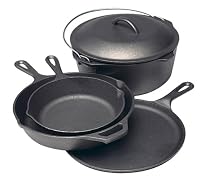 Fumes
from overheated Teflon-coated cookware have been known to kill caged
birds. Studies conducted by the Environmental Working Group have shown
overheated nonstick pans emit a toxic mixture of chemicals that may
cause cancer, birth defects, immune system suppression and increased
risk of heart attack and stroke. The chemical culprits are fluorine
compounds, which are used in water-and stain-repellent coatings on
carpets, clothing, ironing boards, ovens and pots and pans.
What should you cook with? Keep reading. Fumes
from overheated Teflon-coated cookware have been known to kill caged
birds. Studies conducted by the Environmental Working Group have shown
overheated nonstick pans emit a toxic mixture of chemicals that may
cause cancer, birth defects, immune system suppression and increased
risk of heart attack and stroke. The chemical culprits are fluorine
compounds, which are used in water-and stain-repellent coatings on
carpets, clothing, ironing boards, ovens and pots and pans.
What should you cook with? Keep reading. |
Aluminum Pots & Pans
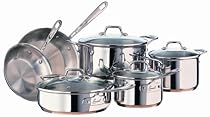 You
just ruled out Teflon, now you need to get rid of any aluminum pots and
pans because that aluminum has been linked to Alzheimer's disease.
These pans are light, often cheap and are reactive. Storing salty or
acidic food in an aluminum pot will pit the surface of the metal and
contaminate the food with aluminum. Instead, use clay, stainless steel,
ceramic, glass, porcelain or cast-iron cookware. One of the advantages
of cast-iron is that it can actually provide small amounts of iron, a
necessary nutrient.
You
just ruled out Teflon, now you need to get rid of any aluminum pots and
pans because that aluminum has been linked to Alzheimer's disease.
These pans are light, often cheap and are reactive. Storing salty or
acidic food in an aluminum pot will pit the surface of the metal and
contaminate the food with aluminum. Instead, use clay, stainless steel,
ceramic, glass, porcelain or cast-iron cookware. One of the advantages
of cast-iron is that it can actually provide small amounts of iron, a
necessary nutrient.
|
Plastic Utensils
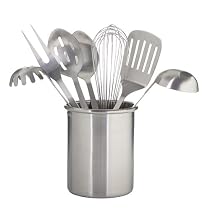 Get
rid of anything plastic in your kitchen. It melts when it gets hot,
and, well... cooking often involves heat! Get
rid of anything plastic in your kitchen. It melts when it gets hot,
and, well... cooking often involves heat!
A hot frying pan is an
unsuitable location for a plastic spoon or spatula. Instead use stainless-steel spatulas, wooden spatulas, bamboo spatulas, wooden spoons,
stainless-steel spoons, stainless-steel ladles, and glass or metal measuring cups.
|
Plastic Containers
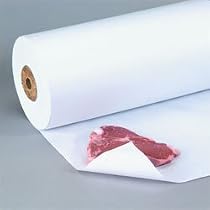 Many
plastics start to break down as they age and when they are heated,
scrubbed or subjected to harsh detergents. Bisphenol A is the main
ingredient in polycarbonate plastic, which is commonly used to make
baby bottles, reusable milk bottles and reusable water bottles.
Bisphenol upsets natural hormone levels and causes genetic damage and
miscarriages in lab mice. To minimize your exposure to the chemicals
found in plastics, when you bring groceries home, remove the plastic
packaging and wrap all your cheeses and meats in freezer paper or waxed paper before putting them in a plastic bag or container.
Many
plastics start to break down as they age and when they are heated,
scrubbed or subjected to harsh detergents. Bisphenol A is the main
ingredient in polycarbonate plastic, which is commonly used to make
baby bottles, reusable milk bottles and reusable water bottles.
Bisphenol upsets natural hormone levels and causes genetic damage and
miscarriages in lab mice. To minimize your exposure to the chemicals
found in plastics, when you bring groceries home, remove the plastic
packaging and wrap all your cheeses and meats in freezer paper or waxed paper before putting them in a plastic bag or container.
|
Raw Meats
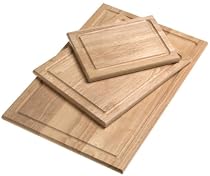 Diners
who eat raw or undercooked meat, fish, shellfish, or poultry can end up
with tapeworms, toxoplasmosis or trichinosis. Avoid cross-contamination
by using different cutting boards for meat and produce, preparing your
produce before you prep meat and laundering all dishtowels you use
after cooking. Also try this homemade spray system: Take two spray bottles and fill one with distilled white vinegar and the other with
hydrogen peroxide. After washing meats and produce, spray vinegar first
and then the peroxide on your countertops - no need to rinse.
Diners
who eat raw or undercooked meat, fish, shellfish, or poultry can end up
with tapeworms, toxoplasmosis or trichinosis. Avoid cross-contamination
by using different cutting boards for meat and produce, preparing your
produce before you prep meat and laundering all dishtowels you use
after cooking. Also try this homemade spray system: Take two spray bottles and fill one with distilled white vinegar and the other with
hydrogen peroxide. After washing meats and produce, spray vinegar first
and then the peroxide on your countertops - no need to rinse.
|
Metal Containers
 Acidic
foods such as tomatoes, sauerkraut, fruit, lemonade, fruit punches,
carbonated beverages, tea and wine can react with metal in containers
and become poisonous. Avoid these and use glass instead: Zinc: Galvanized metal containers may leach toxic amounts of zinc into the food.
Copper or brass: Makes lemonade, wine, tea, coffee and tomato sauce toxic.
Lead: Traditional pewter contains 25% lead and 75% tin. Many
antique ceramics have lead glazes. Avoid using them for serving food.
Also be wary of lead crystal.
Acidic
foods such as tomatoes, sauerkraut, fruit, lemonade, fruit punches,
carbonated beverages, tea and wine can react with metal in containers
and become poisonous. Avoid these and use glass instead: Zinc: Galvanized metal containers may leach toxic amounts of zinc into the food.
Copper or brass: Makes lemonade, wine, tea, coffee and tomato sauce toxic.
Lead: Traditional pewter contains 25% lead and 75% tin. Many
antique ceramics have lead glazes. Avoid using them for serving food.
Also be wary of lead crystal.
|
|