|
|
|
Hello!
We appreciate you reading our newsletter and we encourage you to do so monthly. For instant updates, find us on Facebook or follow us on Twitter.
Sincerely,
Prime America Logistics, Inc.
11231 Jersey Blvd. #101
Rancho Cucamonga, CA 91730
Phone: (800) 424-7746 | Fax: (800) 230-3724 | www.primeamerica.biz
Have you visited our Website recently? The site is now friendlier than ever! You can request a quote, track a shipment, or even see past newsletters that you may have missed. Visit Our Website Now!
|
|
|
|
|
BEING SAFE WHILE AT THE PUMP: SERVICE STATION
SAFETY TIPS
| |

Gas stations can be used safely so long as you follow some basic safety rules. With Americans filling up their gas tanks billions of times a year, the vast majority of visits go incident free and understanding the risks can make sure your visit goes safely. Smoking and overfilling your gas tank are obvious actions to avoid, but hidden dangers such as static electricity given off by cell phones or your clothing could also trigger an explosion.
No Smoking
The most important thing to not do while filling up your automobile with gasoline is to smoke. The sparks from your cigarette combined with gas vapors could cause a fatal explosion. Do not smoke in the vicinity of a gas station.
Static Electricity
A less visible risk is static electricity, which is the primary reason why the use of cell phones is banned at filling stations. A static electricity spark emitted from the phone could spark an explosion of gas vapors. Don't get in or out of your car while refueling. The friction between your clothes and the cloth on your car seats can cause static electricity. If you must get into your car, touch something metal inside the car to dissipate the static electricity. Engines left running can also produce sparks, so always turn your car engine off before filling up.
Being Aware of Adults and Children Not in Cars
Adults and children moving to and from a car and the station building are another risk, so be aware when driving in and out of the gas station that people could appear from behind pumps and cars. Some gas stations have attendants. Don't drive too close to them and never interrupt them while they are filling a car as this could distract them from their job.
Stepping Over the Nozzle Hose
Avoid stepping over the nozzle hose while filling up. You could trip over the hose and pull it out of the car, causing gas to spray everywhere.
If a fire starts while you're refueling, don't remove the nozzle from the vehicle or try to stop the flow of gasoline. Leave the area immediately and call for help.
|
| BEAT THE HEAT OF HOT SUMMER WORK |
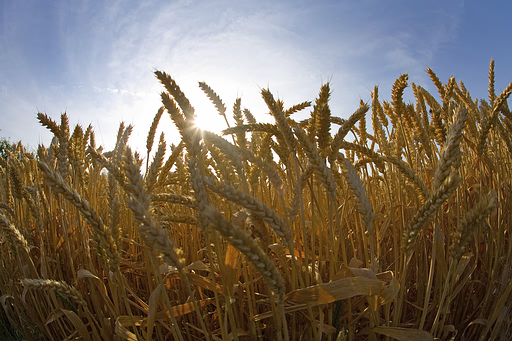
Rest, water, and shade are the code words for summer outdoor
workers. Does that include you? In 2010, 4190 workers suffered heat-related illness on the job, and 40 workers died as a result. Keep an eye on your coworkers. You may spot the early signs of heat illness before the victim recognizes a problem: headache, profuse sweating, dizziness, cramps. Although outdoor workers in a variety of industries are susceptible to heat illness, those in construction and agriculture are the most vulnerable.
|
|
WHAT TO DO IF YOUR BRAKES FAIL
|
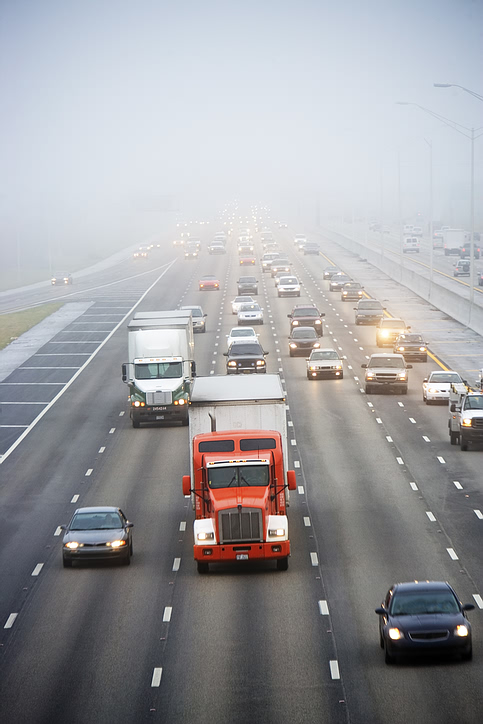
Having your brakes fail while you are driving is a dangerous and horrifying experience, especially when you are traveling on an interstate highway or other high-speed roadway. The National Safety Council has these tips for coping with brake failure:
At the first sign of trouble, try not to panic. Instead, work your vehicle into the right lane and then toward the shoulder or, if possible, toward an exit. If it is necessary to change lanes, do so smoothly and carefully, watching your mirrors and the traffic around you very closely. Remember to use your directional signal to indicate your intentions to other drivers. When you reach the right lane turn on your emergency hazard lights.
Let the car slow down gradually by taking your foot off the gas pedal. Simply steer as your vehicle slows and shift the car into a lower gear to let the engine help slow the car. Once off the traveled roadway, shift into neutral and gradually apply the hand brake until the vehicle stops. If that brake has also failed, direct the car onto a soft shoulder or rub the wheel against a curb, which will help you to slow down. Get the car off the roadway and to a safe place to avoid stopping traffic or being involved in a rear-end collision.
When safely off the road, put out reflective triangles beside and behind your vehicle to alert other drivers; keep your emergency flashers going. You will need professional assistance. Raise your hood and tie something white to the radio antenna or hang it out the window so police officers or tow truck operators will know you need help. Don't stand behind or next to your vehicle; if possible, stay away from the vehicle and wait for help to arrive.
All interstate highways and major roads are patrolled regularly. Also, some highways have special "call-for-help" phones and, of course, if you have a CB radio or cell phone you can call from your vehicle. It is inadvisable to walk on an interstate. However, if you can see a source of help and are able to reach it on foot, try the direct approach by walking but keep as far from traffic as possible.
|
|
|
|
| ABOUT US |
Prime America is a nationally renowned (TL) Truckload, (LTL) Less than Truckload, (3PL) Third Party Logistics, and Expedited Freight carrier. Our long history of success in the highly competitive logistics industry is based on our uncompromising commitment to meet every client's unique needs through a complete suite of transportation services. We have the resources and capacity to handle the needs of each customer in a flexible, custom tailored, and professional manner.
Visit Our Website to Request an Express Quote Today!
|
|
If you would like to contribute or subscribe to future newsletters, please contact:
|
|
|





