|
Low vision is a medical eye condition that is often not clearly understood. It is not a "vision" problem - myopia (nearsightedness), hyperopia (farsightedness) or the natural aging process of presbyopia (loss of focusing ability). It is also not blindness; a person with low vision still retains some useful vision.
Low vision is defined as a level of visual acuity at 20/70 or less that glasses can not fully correct. "Normal" visual acuity is 20/20 - meaning that a person can see at 20 feet away what is normally seen at 20 feet away; 20/70 means that a person can see at 20 feet away what would normally be seen at 70 feet away. Legal blindness - which, unlike total blindness, can be considered low vision - is visual acuity of 20/200 or less. person can see at 20 feet away what would normally be seen at 70 feet away. Legal blindness - which, unlike total blindness, can be considered low vision - is visual acuity of 20/200 or less.
Low vision is also not restricted to the elderly as it can occur at any stage of life. It is not part of natural aging. However it does primarily affect the elderly because it is commonly caused by eye diseases such as macular degeneration, glaucoma and diabetic retinopathy (watch for more on diabetic eye diseases in our November newsletter this year!).
Low vision interferes with daily activities such as reading, driving, shopping, watching TV - even crossing the street. It can be a frustrating, frightening thing - as we mentioned in our February newsletter, Americans fear losing their sight more than any other sense1. This is so closely related to our fear of losing our independence. However, there is certainly hope!
Regular Eye Exams
First and foremost, have regular eye exams! This can not be stressed enough. An eye doctor can detect and  diagnose eye diseases (or the signs of them) and initiate treatment; in so many cases this is the key to preventing vision loss. When low vision is already present the doctor can start you or your loved one on vision rehabilitation. As we have mentioned before, knowing your family history helps - if someone in your family has or had an eye disease, chances increase that you may develop the same disease. diagnose eye diseases (or the signs of them) and initiate treatment; in so many cases this is the key to preventing vision loss. When low vision is already present the doctor can start you or your loved one on vision rehabilitation. As we have mentioned before, knowing your family history helps - if someone in your family has or had an eye disease, chances increase that you may develop the same disease.
Vision Rehabilitation
Vision rehabilitation can help someone with low vision learn new ways to accomplish everyday tasks and to use techniques and devices to live life independently despite vision loss.
Vision rehabilitation usually includes cooperative care between ophthalmologists, optometrists/low vision specialists (low vision specialists are typically optometrists, though not all optometrists specialize in low vision!), occupational therapists and perhaps other specialists or counselors.
Low Vision Aids
There are a variety of aids and tools available to help those with low vision cope - be sure to only purchase those aids that will help your individual situation, as advised by your doctor or other vision rehabilitation specialist. These aids include special magnifiers, special glasses, large-print reading materials, large-number clocks and telephones, talking watches and computer aids and much more. Simple life changes like better lighting and glare control can also help. that will help your individual situation, as advised by your doctor or other vision rehabilitation specialist. These aids include special magnifiers, special glasses, large-print reading materials, large-number clocks and telephones, talking watches and computer aids and much more. Simple life changes like better lighting and glare control can also help.
Low Vision Resources
Following are some great resources for low vision. You can also call your doctor for a recommendation to a low vision specialist in your area - we have a great list of resources here are Wilkinson Eye, just call us and your doctor (Drs. Wilkinson, Dhaliwal, Saxe or Schmitz) will refer you.
Socialize
If you or a loved one has Low Vision, we strongly encourage you to not only keep up with eye exams and pursue vision rehabilitation, but to find others with Low Vision for mutual support, encouragement and education. Wilkinson Eye Center recently learned a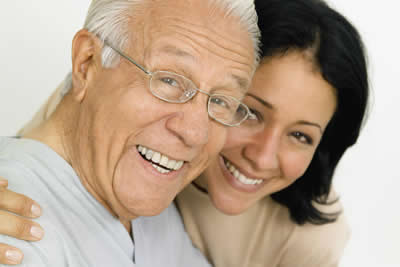 bout the local chapter of the Michigan Council of the Blind and Visually Impaired, the MCBVI North Oakland County. This is a brand new group just forming, and they are focused on peer support among the local Low Vision community. While available for resources on education and research, MCBVI's main focus is on peer support and socialization - travelling, picnics and more. For more information please visit their webpage at www.samobile.net/users/concierge, or contact Phyllis Slater at concierge@samobile.net or 248-681-9872. bout the local chapter of the Michigan Council of the Blind and Visually Impaired, the MCBVI North Oakland County. This is a brand new group just forming, and they are focused on peer support among the local Low Vision community. While available for resources on education and research, MCBVI's main focus is on peer support and socialization - travelling, picnics and more. For more information please visit their webpage at www.samobile.net/users/concierge, or contact Phyllis Slater at concierge@samobile.net or 248-681-9872.
1American Macular Degeneration Foundation. Retrieved February 4, 2010 from the AMDF website: http://www.macular.org/.
Informational resources:
| 




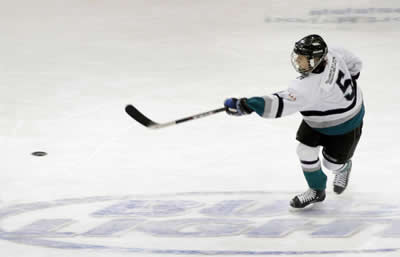 racquet sports) but protecting your eyes is important no matter what activities you favor.
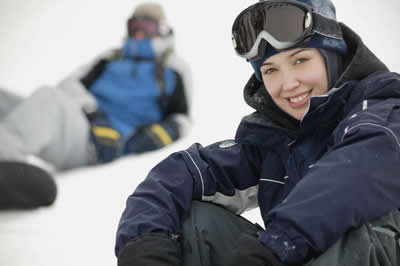 above. If you aren't sure what's recommended for your sport, ask your eye doctor.