|
Greetings!
Welcome to the summer e-newsletter. The American College of Wellness has been busy increasing our online education and securing upcoming wellness summits and meetings. We have also been working to increase the awareness of the impact of obesity on the United States. We continue to link with many other national associations to alert our government officials. Sincerely,
Amy Blansit
American College of Wellness |
|
Childhood Obesity 
American Heart Association
Fri 7/9/2010 1:38 PM
Today, 1 in 3 children in the United States are considered obese.
The Child Nutrition Act could provide a much needed boost for healthier school lunch programs and physical education programs to fight childhood obesity.
But Congress is dragging its feet on passing this legislation that would prioritize the health of our kids.
Will you take a picture of yourself or your kids, grandkids or friends holding a sign with a clear message to Congress: "Please give me [or my child or grandchild] healthy options. Pass the Child Nutrition Act."?
Click here to print a sign and then email your picture to us at amheartadvocacy@yahoo.com by July 16. |
|
NRPA Awarded $1.1 Million for Prevention and Wellness by HHS 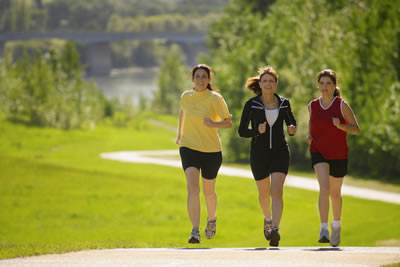
Ashburn, VA (Vocus) July 12, 2010
The National Recreation and Park Association (NRPA) was awarded $1.1 million on Wednesday, July 7, 2010, by the U.S. Department of Health and Human Services (HHS) as part of the HHS Communities Putting Prevention to Work (CPPW) initiative, a comprehensive prevention and wellness initiative funded under the American Recovery and Reinvestment Act of 2009. NRPA is one of 10 national non-profit organizations competitively selected to support public health efforts to reduce tobacco use and reduce obesity through increased physical activity and improved nutrition.
NRPA's award will support activities over a 24-month period that will promote policies, systems and environmental change strategies to advance the nation's efforts to prevent chronic diseases and related risk factors. NRPA will work in partnership with local communities to provide expert guidance and implement strategies that positively impact policies, systems and environments. NRPA's activities have long included health and wellness programs that support its organizational mission.
For more information visit www.nrpa.org |
|
Behavioral Health 
The American Journal of Health Promotion is recognizing the scope and complexity of all the factors that impact health. The AJHP is suggesting that people think in terms of optimal health and the factors that impact optimal health. Bill Hettler, MD, co-founder and board member of National Wellness Institute has helped define optimal health as "a balance of physical, emotional, social, spiritual, environmental, vocational and intellectual health." Rather than strive for excellence in any one area, the Wellness Wheel can be utilized to help people achieve a state of health by striving to achieve balance in all areas. |
Development and Implementation of Obesity Treatment Protocol
The seventh annual 'F' as in Fat: How Obesity Threatens America's Future 2010 conference was held in Washington, D.C. June 29, 2010. The annual report from the Trust for America's Health (TFAH) and the Robert Wood Johnson Foundation (RWJF) was released at this conference. The report provides details regarding each state's adult obesity rate. For example, Missouri's adult population is 29.3 percent obese, and men are more obese than women at 29.9 percent. (In 1991, no state had an obesity rate above 20 percent.)
If national obesity rates continue to increase it is predicted health care costs will increase to $344 billion by 2018. Every health and wellness facility must be proactive in developing and implementing a plan for an increase in this patient/client population. Proactive management will lead to better care for these patients and clients while abiding by stewardship values.
This population has unique needs and a myriad of other issues related to skin, nutrition, drug therapy, respiratory considerations, exercise/physical activity and mobility issues. These issues are important to address since Medicare has changed its reimbursement strategy for hospital acquired conditions, including pressure ulcers, infections, and blood clots. Decreased mobility, decreased perfusion, and coexisting illness all play a role in the development of these complications and increase the length of hospital stay of this population.
To provide the highest quality of care to obese patients, interdisciplinary committees need to be created to formulate and implement a comprehensive protocol. Members of the committee should include representatives from each specialty area of your business. (For example: nursing, physical therapy, exercise physiology, pharmacy, social services, nutrition, respiratory therapy, infection control, wound care, surgery, and imaging services.) Each representative should conduct and provide evidence-based best practice recommendations within their specialties. If available, physician champions should be actively engaged in the ongoing process to facilitate implementation of the protocol.
The goal of implementing a comprehensive protocol for obese clients and patients is to provide high-quality care grounded in evidence-based practice. In the future, outcome measurements including length of stay, infections, and hospital-acquired pressure ulcers, should be collected and analyzed to improve the quality of care, education, and ability for reimbursement. If you are not directly involved in medical care and reimbursement, your success rate and patient satisfaction will be greatly increased by working with a professional referral base.
Recommendations:
-
Upon initial consult, automatically ordered/educated: skin care, physical and occupational therapy (with development of needs assessment tool), respiratory therapy, social service, and nutrition services.
-
Use of appropriate equipment like blood pressure cuffs and furniture in order to facilitate mobility and prevent injury. All future purchases of equipment/furniture should be rated for a minimum of 500 lb. (suggest up to 700lb)
-
Education on care of the patient or client. Obesity sensitivity training for all personnel and yearly competency training of existing staff.
-
Notification of other departments of patient weight and mobility status prior to transfer including ancillary testing departments (MRI, CT scan, etc).
Formulating an obesity protocol and participation in an interdisciplinary committee require research into current protocols and assessments. Including professionals with expertise in each area of develop will help increase the rate of implementation. |
American College of Wellness
Certified Obesity Management Specialist
Wellness Economics
Thank your for your support of The American College of Wellness and our health and wellness programs. You are a valuable member and we appreicate you.
|
|