Staff meetings are an important part of keeping a group working smoothly together, yet in so many cases, they aren't very effective. It seems like the problems being discussed have all been talked about before, there is no clear direction of what the next steps are, and the same issues keep coming up with no resolution. Instead of the meetings creating forward momentum, they feel more like a spin cycle.
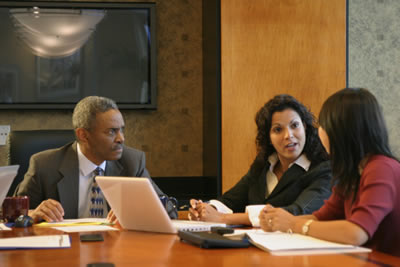
If you are one of the staff members of this type of meeting, it is difficult to take on the role of being a facilitator. However, applying a few facilitation tools can be very effective at getting staff meetings out of the rut of non productivity. The first tool is to have a discussion about how the group should communicate together. In the facilitation world, these are called groundrules. However, this word can sound too formal for a staff meeting, so you can initiate this conversation with the group by asking a few quick questions. For example, "should we agree to end by 11:00 today?" or "how should we decide on topics with decisions; thumbs up, thumbs down?"
Next, an agenda is crucial for successful staff meetings, no matter how small. Attendees need to know what topics are being covered, and if they are just sharing information or if they are making a decision. Don't wait for someone to take this on, start the ball rolling by creating the first one with the group. Ask at the very beginning of the meeting what topics attendees would like to cover today. Then ask if it needs a decision, or if it is just information sharing, and approximately how much time the group would like to spend on it. If you have agreed on an end time, as I suggested in the groundrules, then remind everyone of this as they determine their input. Chances are high that even having a rough agenda will be much appreciated. Ask at the end of the meeting how the group would like to create an agenda for the next meeting, with a suggestion that it might be nice to have the agenda created ahead of time!
My final suggestion that I consider essential is to have some documentation of what action items and decisions were agreed on, and to start each meeting by reviewing this. This tool will not only prevent the same topics from being discussed over and over, but will allow the group to recognize their progress. Remember, no matter if you are a manager, one of the staff, or even an intern, you can make a difference in the success of staff meetings.

--Karen