In
This
Issue!
|
|
|
Read on Below for Great Tips and Information from Women's Soccer Club & WCI
|
|
WSC CARES ABOUT YOU!! READ BELOW!!
DUI or TEXTing while driving, which is worse?
 In a car, you are a danger to not only yourself but to those around you
and that is the biggest point being proven in the latest study by Car and Drive Magazine
on the subject. Here, two people who work for Car and Driver Magazine
(people who you'd assume know a thing or two about driving) are tasked
with extrapolating the inherent dangers in not focusing on the road and
in particular, technology use. In a car, you are a danger to not only yourself but to those around you
and that is the biggest point being proven in the latest study by Car and Drive Magazine
on the subject. Here, two people who work for Car and Driver Magazine
(people who you'd assume know a thing or two about driving) are tasked
with extrapolating the inherent dangers in not focusing on the road and
in particular, technology use.
In this experiment these two people are
given the task of observing a red light at both 35, and 70 mph speeds.
Then, things are "kicked up a notch" as the two drivers are observed in
modified situations while typing a text, reading e-mail and under the
influence of alcohol. You'd be surprised by the results. One
driver nearly tripled his reaction time to the red light while reading
an e-mail at a mere 35 mph. At 70 mph, a reaction time was more than
doubled while typing and sending a text.
In all instances, the extra
distance traveled was far above the norm which speaks volumes to the
many "rush hour" accidents that are experienced from gridlock on a
highway.
In a study by the Virginia Tech Transportation Institute and the National Highway Traffic Safety Administration (NHTSA) the top ten distractions while driving are: are:
1. Using a wireless device, such as a cell phone
2. Talking to and interacting with passengers
3. Reaching for CDs, food, falling objects, or other internal distractions
4. Programming radio stations or tinkering with dashboard controls
5. Using an electric razor, applying makeup, or other personal hygiene-related actions
6. Unwrapping a burger, opening a can, or other movements when eating at the wheel
7. External distractions such as pointing out a funny billboard or pedestrian
8. Talking or singing to yourself
9. Smoking
10. Daydreaming
Please save your phone use for when you are in a safe and uninterrupted environment.
|
|
Scholarship Opportunity
Submit Your Resume Today!
 Interested in a College Internship?
Women's
Charities, Inc. is now accepting resumes for 2 Internship opportunities.
1. Marketing/Business Administration Internship
2. Business to Business Sales Internship
As
these are new programs, selected candidates will have the opportunity
to help develop the program and gain valuable experience along the
way! College credits will vary depending on university requirements
and job timeframe.
Submit resumes via email in a WORD document or PDF file to info@womenssoccerclub.com
info@womenssoccerclub.com
|
Women's Soccer Club
Now on Facebook

Join our page on facebook! Enter info, share with friends, submit pictures to the admin group!!
You can even BECOME A FAN of WSC!!
|
|
Session #3 Outdoor
All Fees Due by August 11th

Session 3 is fast approaching. Please let Ginny or
Shannon know if your team plans to play during the session starting August
25th. If you need help with your roster,
or if you have summer players looking for a new home team, please contact
Shannon Jenik at sjenik@womenssoccerclub.com.
All fees are due August 11th!!
|
Easy Layered Taco Pie

1 pkg.
(1-1/4 oz.) Taco Seasoning Mix
4
flour tortillas (6 inch), cut into quarters
1 cup Shredded Cheddar Jack Cheese
1/4 cup
Sour Cream
CRUMBLE meat into microwaveable (plastic)
colander; place over microwaveable bowl. Microwave on HIGH 8 min.,
stirring every 2 min. to break up meat. Discard fat. Transfer meat to
9-inch microwaveable pie plate. Stir in seasoning mix and water.
Microwave 5 min., stirring after 3 min.
REMOVE half
of meat mixture; set aside. Cover remaining meat mixture in pie plate
with half of the tortilla quarters. Repeat layers of meat mixture and
tortillas; top with salsa and cheese. Microwave 4 min.
TOP with remaining ingredients. Cut into wedges to serve.
|
|
|
Ankle
Injuries in Soccer
Ankle sprains are the most common injury in
soccer. In fact most serious soccer
players have had multiple "ankle sprains" in the past. Also women who have hyper flexibility or poor
balance may be at an increased risk of ankle sprains. Though we use the generic term "ankle sprain"
for all types of ankle sprains it is important to understand basic ankle
anatomy and some of the most common types of ankle sprains.
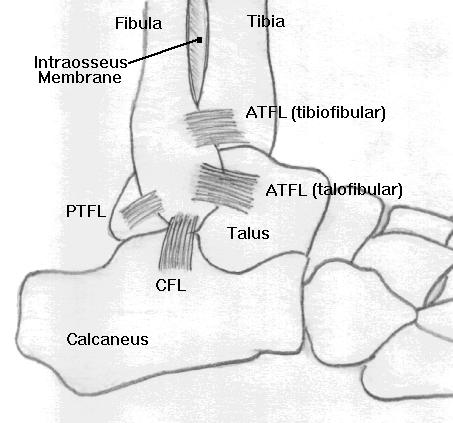 Figure1 from www.hawaii.edu Figure1 from www.hawaii.edu 
Figure 2 from www.fightt.imes.com
A sprain is an injury to the
ligaments or structures in the body which connect bone to bone. The most common type of ankle sprain is a
lateral ankle sprain which is most often caused by turning the foot inward and stretching
one or all of the 3 major ligaments on the outside of the ankle (see Figure
1-ATFL, CFL and PTFL ligaments). Often
the area around the bump on the outside of your ankle will swell and or bruise
and you may feel soreness and an inability to run and cut. In soccer this type of injury is often caused
by landing on uneven ground or someone's foot causing your ankle to roll.
A second type of ankle sprain
is a medial ankle sprain which is an injury to the large ligament group on the
inside of the ankle called the deltoid ligament (see figure 2), often the bump
on the inside of your ankle is painful and swollen or bruised with this type of
injury. It may be caused by the ankle
being forcefully pushed or turned outward and it often takes a bit longer to
heal than a lateral ankle sprain.
The third and least common though
often most serious type of ankle sprain is a high ankle sprain in which the
foot in jammed upward spreading the two shin bones and causing an injury to the
intraosseus membrane (see Figure1). This
is often caused by kicking a 50/50 ball or stopping a ball kicked with great
force in soccer.
Treatment of a sprained ankle
should begin with an evaluation by an Licensed Athletic Trainer to determine
severity and need for an x-ray and or Orthopedic Physician visit. Strength can also be tested to determine
immediate need for bracing or taping. If
you are not able to return to play, you should begin icing 20 minutes on and 20
minutes off as often as possible, until you see a physician. If you are unable to bear weight on your
ankle without pain and or limping, you should use crutches to remove weight
from the injured ankle until you can get into the doctor. In most cases, once the physician sees you he
may recommend anywhere from one to six weeks of physical therapy to help you
return to soccer with the least chance of reinjury provided you do not have a
fracture. It is important to remember
that if balance, dynamic strength and flexibility are not restored you are at a
much higher risk of reinjury.
"For a Free
injury evaluation or help finding a doctor or ankle brace, feel free to call me
at
414-559-6702"
Troy R. Gauger LAT, CEAS
Licensed Athletic Trainer Women's Soccer Club
Director of Sports Medicine
ATI Physical Therapy
|
Tips for Healthy Flying
 Here
are some tips that will help you arrive at your summer vacation
destination happy and healthy.
Here
are some tips that will help you arrive at your summer vacation
destination happy and healthy.
One
of the risks associated with high altitude flying is DVT, or deep vein
thrombosis. Because of the cramped quarters and lack of movement while you are
in the cabin, it is possible to develop a blood clot in the leg. To reduce
your risk for DVT, it is a good idea to get up and move around the cabin if
possible. There are also some exercises you can do while seated to keep
your blood pumping. These include ankle circles, toe crunches, heel-toe
rocking, reaching overhead, and torso twist.
Stay
hydrated. The recommended water intake to prevent dehydration is to drink one
cup of water for every hour that you are flying because of low humidity levels.
While coffee and soda may taste good and have stimulating properties,
these beverages both have dehydrating effects by increasing urine output.
Try to drink more water, juice or milk than you do coffee or soda.
 When your
travel takes you across time zones, there are some things you can do to
minimize jet lag. The most natural way to help your body adjust to a new time
zone is to get into sunlight with exposed skin immediately upon arriving, as
this will help your body feel mentally and physically refreshed. You should
also join in the local routine of eating and sleeping schedules to coordinate
your bodily systems. Using either sleep aides or a stimulant such as
caffeine in a timely manner has been shown to help your sleep schedule become
synchronized with the local clock. When your
travel takes you across time zones, there are some things you can do to
minimize jet lag. The most natural way to help your body adjust to a new time
zone is to get into sunlight with exposed skin immediately upon arriving, as
this will help your body feel mentally and physically refreshed. You should
also join in the local routine of eating and sleeping schedules to coordinate
your bodily systems. Using either sleep aides or a stimulant such as
caffeine in a timely manner has been shown to help your sleep schedule become
synchronized with the local clock.
For
more information, see Dr. Emily's book Wellness Guide for
Pilots, available at Tri-Motion
Rehab. Dr. Emily and her staff provide
physical therapy, pregnancy, pre and post-partum care, sport-specific training,
personal training, pilates and more....We help you set your Life
in Motion.
Dr. Emily Wolkomir PT, DPT, CSCS
Tri-Motion Rehab LLC
262.754.1650 W
262.754.0877 F
262.751.8109 C
www.tri-motionrehab.com
21140 W Capitol Dr Ste 4
Brookfield WI 53072
|
|
VOLUNTEER and Just Plain FUN Opportunities
Women's
Charities, Inc.
5K Evening Fun Run & Walk
Friday, August 21, 2009
*Kids Fun run at 6:00pm
*5k for Adults at 6:30 pm
Oakwood Park
Menomonee Falls, WI
Registration form, volunteer opportunities and race course available online.
www.womenssoccerclub.com |
Travel Update from the Associated Press: FREE HOTELS!

Some 50 hotels across the country are giving away a night to guests who can prove they completed at least eight (8) hours of community service from July 1 to December 20th. To qualify, you must provide a letter on the nonprofit organization's letterhead proving that you've completed the volunteer work at a 501c3 organization [such as Women's Charities, Inc.]. The hotels, all managed by Sage Hospitality, include the Residence Inn Milwaukee Downtown, and The Blackstone in Chicago. The room must be reserved at least 48 hours before arrival. Guests must pay taxes for the room. Blackout dates apply, and there are a limited number of rooms available at each hotel. For more info, go to www.sagehospitality.com/specials
Thank you to Kyla (co-captain from Falcons) for the head's up on this article.
|
|
|
|
|


