|
Pet Sitters Info Sheet
|
We have made your vacation planning one step easier; print & fill out our Pet Sitter's Information Sheet to ensure your pets' comfort & safety while you are away.
Pet Sitter's Info Sheet
You can find this anytime on our
AAH website "Forms" page.
|
2009 Readers Choice Awards
Best Veterinary Hospital
&
Gold Regional Favorite
|


|
PRIVATE mailing list!
ONLY for Ashland Animal Hospital

|
|
|
Hello Pet-lovers,
Happy Spring! In this newsletter, we will cover topics relating to seasonal issues concerning your pet's health and well being.
We welcome your comments or questions for future newsletters.
|
|
Poisons and Toxins
 American Bittersweet is toxic to: dogs, cats & horses.
Spring brings sunshine and flowers, as well as potential
dangers to our pets. As pet owners, you
can limit their exposure to harm and prevent disaster through informed
choices
about what is put in your garden.
Some common plants and materials found in our yards & gardens have
the potential to harm our dogs & cats.
Some clinical signs to look for are vomiting, depression, diarrhea, abdominal pain, hypersalivation,
anorexia, tremors, anorexia, tremors, change in urine color, weakness, convulsions, etc.
Amaryllis is toxic to:
dogs, cats & horses.
Please see the following websites to ensure that all of your plants are pet-friendly.
Toxic and Non-Toxic Plants
A searchable database for choosing safe flora.
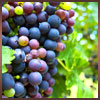 Common table grapes can be toxic to dogs.
Animal Poison Control FAQ
Common questions that can save your pet's life.
|
Toxicity Alert!
Cocoa Mulch

Cocoa Mulch
is made from dried Cocoa beans which naturally contain an ingredient called
'Theobromine' that is potentially lethal to dogs and cats.
Theobromine is a compound that is in all chocolate, but occurs in higher quantities in dark or baker's chocolate, which is toxic
to dogs. Theobromine is also found in Cocoa mulch which is sold at most
garden centers.
Dogs are attracted to the chocolate smell and will eat the mulch readily. If
you know your dog has ingested cocoa mulch, call your veterinarian immediately!
It can take up to 12 hours or more for
signs of toxicity to become evident. Immediate veterinary
attention should be sought, because if untreated the results could be fatal.
Clinical signs include hyperactivity,
restlessness, listlessness, tremors and seizures. Alternatively if a pet's
heart is failing from the effects of the compound, they could appear to be
lethargic and weak.
The MSPCA-Angell has a special Animal Poison Control Hotline at
1-877-2Angell. Angell Animal Medical Center in Boston is open 24 hours a
day, seven days a week, and specializes in emergency critical care.
ASPCA Cocoa Mulch Toxicity Alert
Snopes Cocoa Mulch Report
|
Heartworms & Fleas & Ticks.....ICK!

Spring is the beginning of
the busy season for ticks. Did you know there are many species of ticks carrying different diseases?
Their numbers will steadily grow in spring and
early summer. The tick population in New England will likely increase as a result of the wet spring we have had. Now is the time to start (or continue) your Flea
and Tick prevention program.
Please contact us for all
your parasite prevention needs and to answer any questions you may have.
Remember to continue monthly heartworm prevention year round.
AAH Parasites Information Page
AAH Resources for Lyme Disease and Pets & Parasites
|
Pet Behavior
Spring brings the joy of new puppies and kittens into our home,
along with questions about their behavior and proper training. Our older pets may also exhibit behaviors
you do not understand or have difficulty controlling.
See the links below to the ASPCA's "Pet Behavior" pages to explore solutions for mischief and misbehavior, as well as a "virtual behaviorist" who will answer specific
questions online.
Dog Behavior & Training Information
Cat Behavior & Training Information
Local Pet Behaviorists and Trainers are listed on our website for professional consultations.
|
|
|
|
|
|
|





