Greetings! 
Across the country, Latinas are working together for reproductive justice. The mission of the National Latina Institute for Reproductive Health is to ensure the fundamental human right to reproductive health and justice for Latinas. In fact, this newsletter is reaching you at the end of the 2011 Latina Week of Action for Reproductive Justice, Caminamos: Justice for Immigrant Women.
In Memphis, the Caminos Paralelos project is working to build relationships between HIV and reproductive health providers and trusted medical clinics in the Latino community. Latinas in Memphis face a range of health disparities, and many receive only the most basic of medical services. It is imperative that the health care they do receive be as comprehensive as possible.
Please let us know how these programs can better serve you and those you care about. Thanks so much for your support.
Rebecca L. Terrell
Executive Director |

MCRH Highlighted in United
Nations Study
On July 17, 2011, the Joint United Nations Programme on HIV/AIDS (UNAIDS) and The ATHENA Network launched the report, Community Innovations: Achieving sexual and reproductive health and rights for women and girls through the HIV response. The Memphis Center for Reproductive Health (MCRH) is one of only two U.S. based programs featured in the report. MCRH's efforts to integrate HIV prevention, testing, and care into sexual and reproductive health services is detailed in the case study, Service Providers in the United States: Leading the integration of HIV into sexual and reproductive health and rights services. For more information contact Jennifer Marshall at 901-791-9384 or jmarshall@mcrh-tn.org |
|
Reproductive Health Feature of the Month: The IUD

An IUD, or intrauterine device, is a form of birth control. It is an object, placed in the uterus, to prevent pregnancy. Among modern IUDs, the two types available are copper-containing devices, and a hormone-containing device that releases a progestogen. Currently, there are over 10 different kinds of copper IUDs available in different parts of the world, and there is one hormonal device, called Mirena. Mirena is a soft, flexible IUD that releases small amounts of hormone locally into your uterus. It gives you birth control you can count on, that lasts for as long as you want, for up to 5 years.
- Mirena is more than 99% effective at preventing pregnancy
- You can try to become pregnant as soon as Mirena is removed. Within a year of having Mirena removed, about 8 out of 10 women succeed at becoming pregnant
- If you have a pelvic infection, get infections easily or have certain cancers, Mirena is not right for you
- Mirena is also proven to reduce heavy periods in women who choose intrauterine contraception
At Memphis Center for Reproductive Health we offer patient assistance based on financial need to cover the costs of the Mirena IUD.
|
|
|
|
|
MCRH is an independent, non-profit organization providing reproductive health care, community education, and working to protect reproductive freedom, justice and equality.
Hablamos Español
LGBT friendly
Teens are like totally welcome
|
|
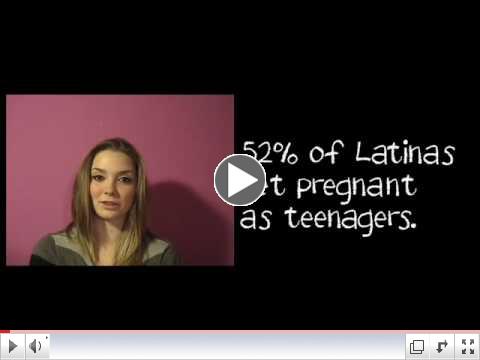
| | Stay Joven | Test |
Did you know that teen pregnancy is 100% preventable? The National Campaign to Prevent Teen and Unplanned Pregnancy recently completed a project focusing on Latino teens. Latino teens don't see themselves in the media they watch. Additionally, the teen pregnancy prevention messages they see and hear fail to connect with them. In response, the Campaign to Prevent Teen and Unplanned Pregnancy provided Latino teens from all over the country wtih video cameras. The result was the Stay Joven digital media project which provides Latino youth an opportunity to film, record, and share their views on being Latinos today. Click here to visit the Stay Teen website and view other videos.
|
|